If you want to know how to clean vinyl plank flooring properly, you are in the right place. Vinyl plank flooring is popular because it looks like real wood, feels comfortable underfoot, and holds up well to daily traffic. But like any flooring, it needs the right cleaning routine to stay in great shape for years. In this guide, you will learn simple, safe, and effective ways to keep your vinyl plank floors looking fresh and new.
Why Proper Cleaning Matters for Vinyl Plank Flooring
Vinyl plank flooring is durable, but it is not indestructible. Using the wrong cleaning products or tools can dull its shine, scratch its surface, or damage the protective wear layer. Regular and correct cleaning helps your floor stay shiny, extends its lifespan, and keeps your home looking polished.
Common Mistakes to Avoid
Many homeowners unknowingly damage their vinyl floors through simple mistakes. Avoid using excess water, harsh chemicals, or abrasive scrubbing tools. Steam mops should also be avoided, since heat and moisture can seep into the seams and cause warping over time.
Daily Maintenance Tips
Keeping vinyl plank floors clean does not have to be a big chore. A little daily care goes a long way in preventing buildup of dirt and grime.
Sweep or Dust Regularly
Use a soft bristle broom or a microfiber dust mop to remove loose dirt, dust, and pet hair. This simple habit prevents small particles from scratching the surface as people walk across the floor.
Wipe Up Spills Immediately
Vinyl plank flooring is water resistant, but standing liquid can still seep into seams if left too long. Wipe spills right away with a soft, absorbent cloth to keep your floor spotless and safe from moisture damage.
Weekly Deep Cleaning Routine
Beyond daily upkeep, your vinyl plank floors benefit from a more thorough cleaning session each week. This helps remove embedded dirt and keeps the surface looking vibrant.
Choose the Right Cleaning Solution
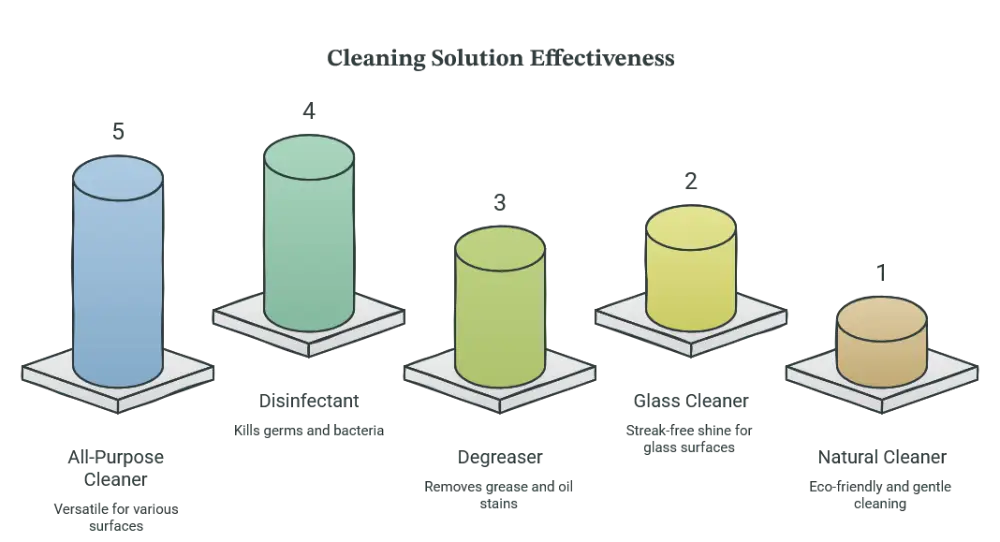
Use a pH neutral cleaner made specifically for vinyl flooring. Avoid ammonia based or wax based products, as they can leave a dull film or damage the finish over time. A mix of warm water and a mild vinyl friendly cleaner works well for most homes.
Use a Soft Mop
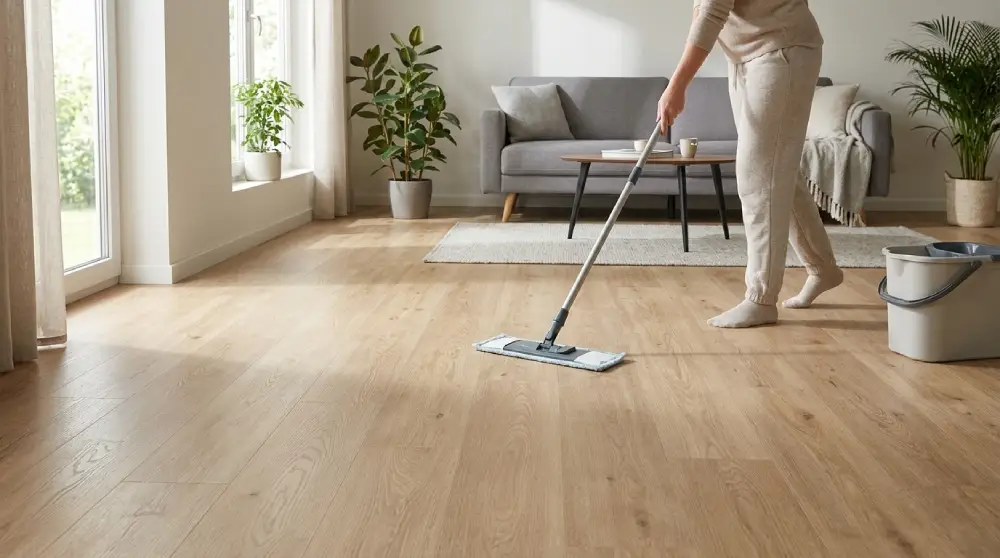
A microfiber mop is ideal for vinyl plank floors. It picks up dirt effectively without scratching the surface. Wring the mop well so it is only slightly damp, since too much water can seep into the seams.
Rinse If Needed
If you used a soapy cleaner, go over the floor again with a clean, damp mop to remove any residue. Leftover soap can attract dust and make the floor look streaky.
How to Remove Tough Stains
Sometimes daily cleaning is not enough for certain stubborn marks. Here is how to handle common stain types safely.
Scuff Marks
Gently rub scuff marks with a soft cloth dampened with a small amount of rubbing alcohol. Avoid scrubbing too hard, as this can wear down the surface finish.
Grease and Oil Stains
Apply a small amount of dish soap mixed with warm water directly to the stain. Let it sit for a few minutes, then wipe clean with a soft cloth.
Ink or Marker Stains
Dab the area gently with a cloth soaked in rubbing alcohol. Always test on a hidden section of the floor first to make sure it does not affect the finish.
Protecting Your Vinyl Plank Flooring Long Term
Cleaning is only part of the equation. Taking preventive steps helps your floor stay beautiful for many years.
Use Furniture Pads
Attach felt pads under the legs of chairs, tables, and other furniture. This prevents scratches when items are moved or shifted across the floor.
Place Mats at Entryways
Doormats and rugs at entry points trap dirt, sand, and small debris before they reach your vinyl plank floor. This reduces the amount of grit that can scratch the surface over time.
Avoid Direct Sunlight Exposure
Extended sun exposure can cause fading or discoloration on vinyl flooring. Use curtains or blinds during peak sunlight hours to protect the color and finish.
Trim Pet Nails Regularly
Pets with long nails can leave small scratches on vinyl plank floors. Regular nail trims help minimize this risk and keep your flooring looking smooth.
Tools You Will Need
Having the right tools on hand makes the cleaning process much easier and more effective.
Soft Bristle Broom or Dust Mop
Perfect for daily dust and debris removal without scratching the surface.
Microfiber Mop
Gentle yet effective for weekly deep cleaning sessions.
pH Neutral Vinyl Floor Cleaner
Specially formulated to clean without damaging the protective layer.
Soft Cloths
Useful for spot cleaning spills and stains as soon as they happen.
Conclusion
Cleaning vinyl plank flooring does not need to be complicated. With regular sweeping, gentle mopping, the right cleaning products, and a few preventive habits, your floors can stay beautiful and durable for years to come. By following these simple steps, you will protect your investment and enjoy a clean, fresh looking home every single day.
Frequently Asked Questions
Can I use a steam mop on vinyl plank flooring?
No, steam mops are not recommended. The heat and moisture can damage the seams and cause warping over time.
What is the best cleaner for vinyl plank floors?
A pH neutral cleaner made specifically for vinyl flooring works best. Avoid ammonia based or wax based products.
How often should I clean vinyl plank flooring?
Sweep or dust daily and do a deeper mop cleaning once a week for the best results.
Can vinegar damage vinyl plank flooring?
Yes, vinegar and other acidic cleaners can dull the finish over time and are best avoided.
How do I remove scratches from vinyl plank flooring?
Light scratches can often be buffed out gently with a soft cloth, while deeper scratches may need a vinyl repair kit.