If you have ever peeled off a sticker, a piece of tape, or an old rug pad from your tile floor, you probably know the frustration that follows. Learning how to remove sticky residue from tile floors is easier than most people think, and you can do it using items you likely already have at home. With the right method and a little patience, your tiles can look clean and shiny again.
Sticky residue is not just annoying to look at. It also traps dust, dirt, and grime, making your floor harder to keep clean over time. This guide walks you through simple, safe, and effective ways to get rid of it for good.
- Why Sticky Residue Builds Up on Tile Floors
- Things to Prepare Before You Start
- Simple Methods to Remove Sticky Residue from Tile Floors
- How to Remove Sticky Residue from Grout Lines
- Tips to Prevent Sticky Residue in the Future
- Mistakes to Avoid When Cleaning Tile Floors
- Conclusion
- Frequently Asked Questions
Why Sticky Residue Builds Up on Tile Floors
Sticky spots on tile usually come from everyday household items. Adhesive from stickers, tape, rug grippers, or spilled substances like syrup and glue can leave a stubborn film behind.
Over time, heat and sunlight can make these residues harden, which makes them stick even more firmly to the tile surface. That is why fresh spills are usually easier to clean than old, dried up residue.
Common Culprits Behind Sticky Tile Floors
Some of the most frequent causes include leftover glue from rugs or mats, price tag residue, melted candle wax, and spilled sugary drinks. Pet accidents and cleaning product buildup can also leave a tacky feeling on tile.
Things to Prepare Before You Start
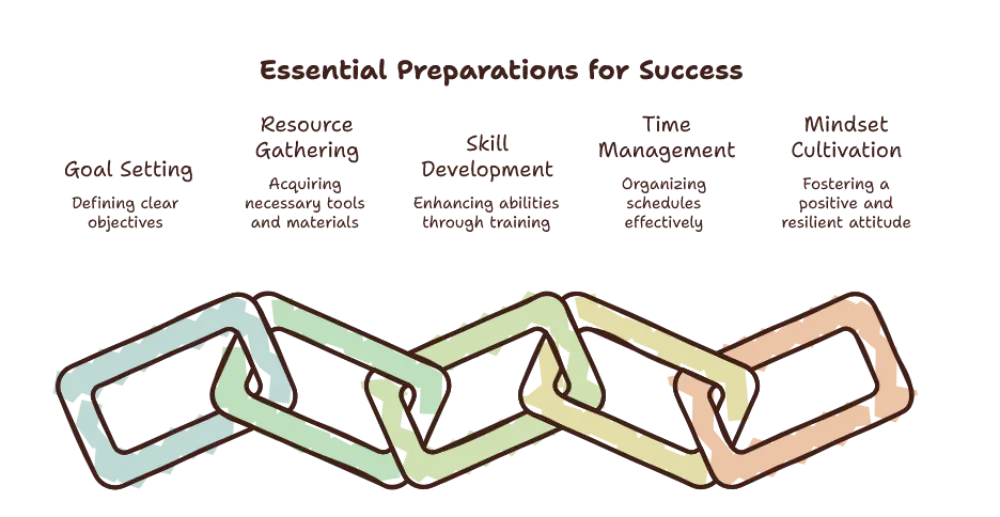
Before diving into the cleaning process, gather a few basic supplies. Having everything ready saves time and prevents damage to your tile.
You will typically need warm water, a soft cloth or sponge, a plastic scraper, mild dish soap, and one of the natural cleaning agents mentioned later in this guide. Avoid metal scrapers since they can scratch the tile surface.
Simple Methods to Remove Sticky Residue from Tile Floors
There are several ways to tackle sticky residue depending on how stubborn the stain is and what you have available at home.
Warm Soapy Water Method
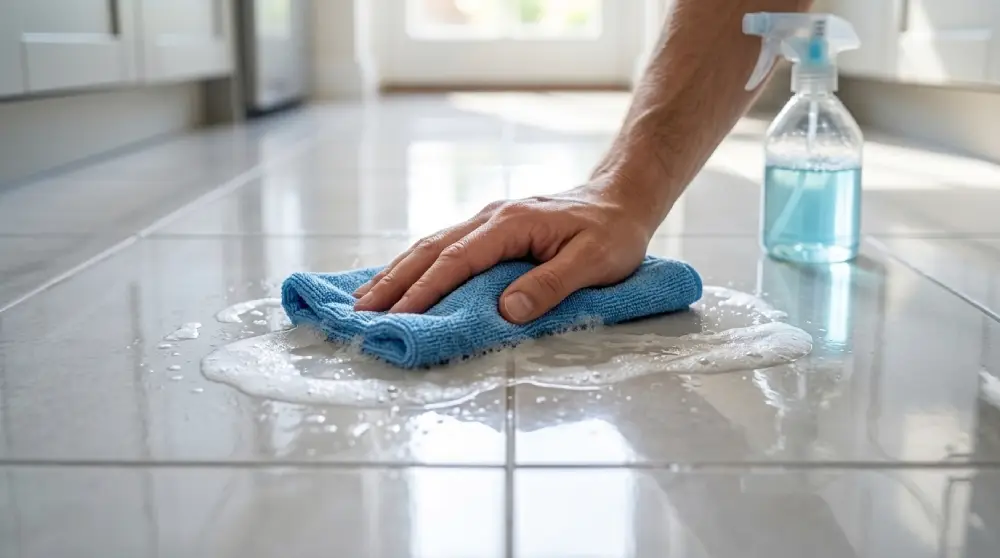
This is the gentlest option and works well for fresh or mild residue. Mix warm water with a few drops of dish soap, then soak a cloth in the solution and place it directly on the sticky spot for several minutes.
Once the residue softens, wipe it away using the cloth. Rinse the area with clean water and dry it thoroughly.
Vinegar and Water Solution
White vinegar is a natural adhesive remover that works wonders on tile floors. Combine equal parts vinegar and water in a spray bottle, then spray it generously over the sticky area.
Let it sit for about ten minutes so the acidity can break down the adhesive. Wipe the spot with a damp cloth and repeat if needed.
Baking Soda Paste
Baking soda is great for residue that feels thicker or has been sitting for a while. Mix baking soda with a small amount of water to form a paste, then apply it directly onto the sticky area.
Gently scrub using a soft brush or cloth in circular motions. Rinse thoroughly once the residue lifts away.
Rubbing Alcohol Method
Rubbing alcohol is especially effective for glue and tape residue. Dampen a cotton ball or cloth with alcohol and press it against the sticky spot for a minute or two.
Wipe the area in gentle strokes until the residue dissolves. Follow up with a rinse using clean water.
Commercial Adhesive Remover
For extremely stubborn spots, a store bought adhesive remover made for hard surfaces can help. Always test it on a small hidden section of tile first to make sure it does not affect the finish.
Follow the instructions on the product label, apply it to the residue, wait as directed, then wipe clean.
How to Remove Sticky Residue from Grout Lines
Grout lines can trap sticky residue even more than the tile itself because of their rougher texture. Use an old toothbrush dipped in a vinegar and water mixture to scrub gently along the grout lines.
For tougher spots, a baking soda paste applied directly to the grout works well too. Rinse thoroughly afterward so no residue or cleaning solution gets left behind.
Tips to Prevent Sticky Residue in the Future
Keeping your tile floors free from sticky buildup is much easier than removing it later. A few small habits can make a big difference over time.
Clean Spills Right Away
Wipe up spills like juice, syrup, or sauce as soon as they happen. The longer a sticky substance sits on tile, the harder it becomes to remove.
Use Furniture Pads Instead of Sticky Grippers
Adhesive backed rug grips and furniture pads often leave behind residue when removed. Choose non adhesive alternatives whenever possible to avoid this issue altogether.
Sweep and Mop Regularly
Regular sweeping prevents dust and dirt from mixing with minor spills and turning into sticky grime. A consistent mopping routine also helps maintain the natural shine of your tile floor.
Mistakes to Avoid When Cleaning Tile Floors
Using the wrong tools or techniques can damage your tile or make the residue harder to remove. Avoid using sharp metal objects to scrape at sticky spots since they can leave permanent scratches.
Do not mix random cleaning chemicals together, as this can create harmful fumes. Always test a new cleaning solution on a small area first, especially on colored or textured tile.
Conclusion
Removing sticky residue from tile floors does not have to be a stressful task. With simple household ingredients like vinegar, baking soda, or rubbing alcohol, you can restore your tile to a clean and spotless condition. Regular maintenance and quick action on spills will also help you avoid dealing with stubborn residue in the future.
Frequently Asked Questions
What is the fastest way to remove sticky residue from tile floors?
Warm soapy water works quickly for fresh residue, while rubbing alcohol is faster for dried glue or tape marks. Apply either solution, let it sit briefly, then wipe clean with a soft cloth.
Can vinegar damage tile floors?
Vinegar is generally safe for most ceramic and porcelain tiles, but it should be used with caution on natural stone tiles like marble or travertine. Diluting vinegar with water reduces the risk of any surface damage.
Is rubbing alcohol safe for all types of tile?
Rubbing alcohol is safe for most glazed tile surfaces but should be tested on a small hidden spot first. Avoid using it on unsealed or porous natural stone tiles.
Why does my tile floor still feel sticky after mopping?
This often happens when too much cleaning solution is used without proper rinsing. Always follow up mopping with a clean water rinse and dry the floor thoroughly.
How often should I deep clean my tile floors to prevent residue buildup?
Deep cleaning once every one or two weeks helps prevent sticky buildup from forming. Regular sweeping and spot cleaning spills right away also reduce the need for frequent deep cleaning sessions.