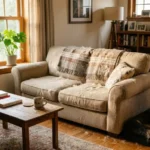
If you are searching for the best upholstery cleaner DIY method, you are probably staring at a stained sofa or a musty smelling armchair and wondering how to fix it without calling a professional. The good news is that most fabric stains, odors, and dullness can be treated at home using items already sitting in your kitchen cabinet. This guide walks you through safe, effective, and easy homemade upholstery cleaning solutions that work on a variety of fabric types.
Why Make Your Own Upholstery Cleaner
Store bought sprays often contain strong chemicals that can irritate skin, trigger allergies, or leave a strong artificial scent behind. A homemade cleaner gives you full control over what touches your furniture and your family. You also get to adjust the strength of the solution depending on how tough the stain is, something a premixed spray cannot always offer.
Another advantage is convenience. When a spill happens, you do not want to wait around. Most DIY recipes use pantry staples, so you can clean a fresh stain within minutes instead of running out to buy a product.
Know Your Fabric Before You Clean
Every upholstery cleaning code has a letter tag sewn under the cushion or attached to the furniture tag. Checking this first prevents accidental damage.
Understanding Cleaning Codes
The letter W means the fabric can be cleaned with water based solutions. The letter S means only solvent based cleaners should be used, so water may cause staining or shrinkage. The letters SW mean either method is safe. The letter X means the fabric should only be vacuumed, and no liquid cleaner should touch it.
Doing a Patch Test
Before applying any cleaner to the entire piece, test it on a hidden area such as the back of a cushion or the underside of an armrest. Wait a few minutes to check for color change, texture shift, or shrinkage before moving forward.
Best Homemade Upholstery Cleaner Recipes
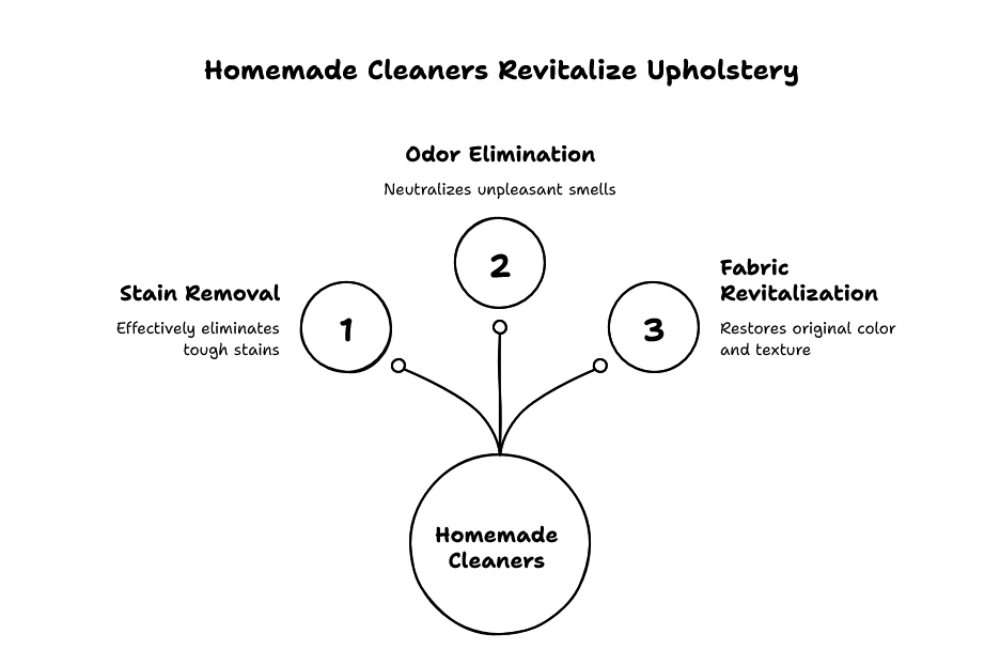
These recipes are simple to mix and safe for most water friendly fabrics marked W or SW.
Vinegar and Dish Soap Solution
Mix warm water with a small amount of white vinegar and a few drops of mild dish soap in a spray bottle. Vinegar helps break down grease and neutralize odors, while dish soap lifts dirt from fabric fibers. Spray lightly onto the stained area, let it sit briefly, then blot with a clean cloth. Avoid soaking the fabric since excess moisture can lead to mildew.
Baking Soda Freshening Treatment
Baking soda is excellent for absorbing odors and lifting surface dirt without any liquid involved. Sprinkle it generously across the entire piece of furniture, let it sit for at least thirty minutes, then vacuum thoroughly using an upholstery attachment. This method works well for fabric that smells musty or has picked up pet odor.
Rubbing Alcohol for Ink and Grease Stains
Dampen a cotton cloth with rubbing alcohol and dab gently onto ink or grease marks. Alcohol dissolves oily residue quickly, but always dab rather than rub so the stain does not spread further into the fabric.
Club Soda for Fresh Spills
Club soda works almost instantly on fresh spills like wine, coffee, or juice. Pour a small amount directly onto the stain and blot immediately with a dry towel. The carbonation helps lift the liquid before it sets into the fibers.
Cornstarch Paste for Oil Based Stains
Combine cornstarch with a small amount of water to form a thick paste. Apply it directly to oily stains, allow it to dry completely, then brush or vacuum away the residue. This absorbs oil from deep within the fabric without leaving a wet mark behind.
Step by Step Cleaning Process
Vacuum First
Always vacuum the entire surface before applying any cleaner. This removes loose dirt, crumbs, and dust so the cleaning solution can focus on actual stains rather than pushing debris deeper into the fabric.
Spot Test the Solution
Apply a small amount of your chosen cleaner to a hidden spot and wait to confirm there is no discoloration or damage.
Apply and Blot
Spray or dab the solution onto the stain. Use a clean, light colored cloth and blot gently in one direction. Rubbing can damage fibers and spread the stain rather than removing it.
Rinse If Needed
For solutions containing soap, lightly dampen a separate cloth with plain water and blot the area again to remove any soap residue that could attract new dirt over time.
Dry Completely
Let the furniture air dry fully before sitting on it again. Opening a window or using a fan speeds up drying and helps prevent musty smells from developing.
Tips to Keep Upholstery Cleaner Longer
Rotate cushions regularly so wear and soiling spread evenly across the furniture. Keep pets off fabric furniture when possible, or use a washable throw for extra protection. Vacuum weekly to prevent dust and dirt from settling deep into the weave. Treat spills the moment they happen instead of waiting, since fresh stains are always easier to remove than dried ones.
When to Avoid DIY Cleaning
Delicate fabrics such as silk, velvet, or antique upholstery can react poorly to homemade solutions. If the furniture has a code marked S or X, or if the stain has been sitting for a long time and has already set into the fibers, it may be safer to consult a professional cleaner who has the right tools for that specific material.
Conclusion
A homemade upholstery cleaner can handle most everyday stains, spills, and odors using simple ingredients like vinegar, baking soda, rubbing alcohol, and cornstarch. Checking the fabric code, doing a patch test, and following a gentle cleaning process will keep your furniture looking fresh without exposing your home to harsh chemicals. With a little routine care, your sofa or armchair can stay clean and comfortable for years to come.
FAQs
What is the best homemade upholstery cleaner for fabric sofas?
A mix of warm water, white vinegar, and a few drops of mild dish soap works well for most fabric sofas marked with a W or SW cleaning code.
Can baking soda really clean upholstery?
Yes, baking soda absorbs odors and lifts surface dirt effectively. Sprinkle it on, let it sit, then vacuum thoroughly for fresher smelling furniture.
How do I know if my upholstery is safe for water based cleaning?
Check the cleaning code tag under the cushion or on the furniture frame. A W or SW tag means water based cleaners are safe to use.
How often should I deep clean my upholstery?
Most furniture benefits from a deep clean every three to four months, along with weekly vacuuming to prevent dust and dirt buildup.
What should I do if a DIY cleaner does not work on a tough stain?
If the stain remains after trying a homemade solution, avoid repeated scrubbing, since this can damage fibers. At that point, a professional cleaning service is the safer option.