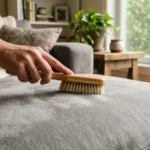
If you share your home with a furry companion, you already know the struggle. Learning how to remove pet hair from furniture properly can save your sofas, chairs, and car seats from looking permanently fuzzy. The good news is that with the right tools and a little routine, pet hair does not have to control your living room anymore.
In this guide, you will find simple, effective methods to get fur off every kind of fabric, along with tips to stop it from piling up again so quickly.
Why Pet Hair Sticks to Furniture
Pet hair clings to fabric because of static electricity and the natural texture of upholstery. Fibers in couches, rugs, and car seats act like tiny hooks that trap loose fur. This is why brushing alone often does not work, and why hair seems to reappear even after cleaning.
Static Electricity
When pets move around, friction builds static charge in their coat. That static pulls hair toward fabric surfaces and makes it stick even tighter.
Fabric Texture
Textured fabrics such as microfiber or velvet trap more hair than smooth leather or vinyl. Knowing your furniture material helps you choose the right removal method.
Best Tools to Remove Pet Hair from Furniture
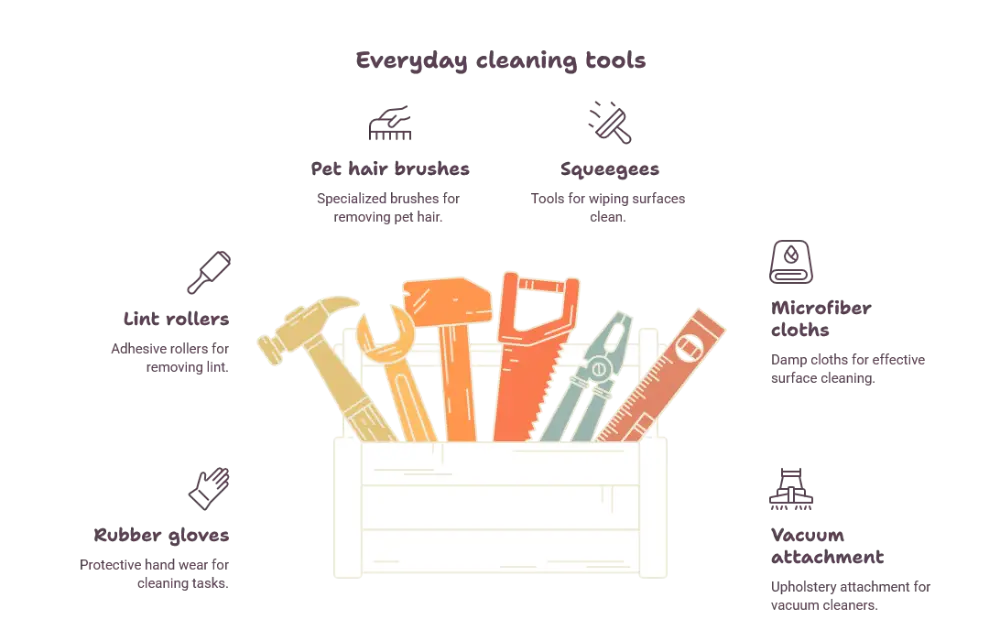
You do not need anything fancy to get great results. A few everyday tools can make a huge difference.
• Rubber gloves • Lint rollers • Pet hair removal brushes • Squeegees • Damp microfiber cloths • Vacuum with an upholstery attachment
Each of these works differently, so combining a couple of methods often gives the best results.
Simple Methods to Remove Pet Hair from Fabric
Use the Rubber Glove Trick
Put on a slightly damp rubber glove and run your hand across the furniture in one direction. The rubber creates friction that lifts hair into small clumps you can easily pick up. This method works especially well on couches and car seats.
Try a Squeegee
A window squeegee is not just for glass. Dragging it across upholstery gathers pet hair into neat rows, making cleanup fast and satisfying. This works great on carpets too.
Use a Damp Cloth or Sponge
Lightly dampen a microfiber cloth and wipe across the fabric. Moisture helps loosen trapped hair so it lifts away instead of digging deeper into the weave.
Vacuum with the Right Attachment
A vacuum with a soft brush or upholstery attachment pulls hair from deep within fibers. For heavy shedding pets, this should be a weekly habit rather than an occasional fix.
Lint Rollers for Quick Touch Ups
Lint rollers are perfect for small spots or quick cleanups before guests arrive. Keep one near your favorite seating area for fast results.
Removing Pet Hair from Different Furniture Types
Leather and Vinyl
Leather does not trap hair the way fabric does. A soft cloth or slightly damp sponge usually removes hair with minimal effort. Avoid harsh scrubbing, since leather can scratch easily.
Microfiber and Suede
These fabrics hold onto pet hair the most. Rubber gloves and squeegees tend to work best here since they create the friction needed to release trapped fur.
Cotton and Linen
Lighter fabrics respond well to lint rollers and vacuum attachments. Because these materials are more delicate, gentle strokes are recommended.
Carpets and Rugs
For carpets, a stiff bristle brush paired with vacuuming afterward pulls out deeply embedded hair. Squeegees also work wonderfully on low pile rugs.
Natural and DIY Solutions
If you prefer chemical free options, household items can be surprisingly effective.
Fabric Softener Spray
Mix water with a small amount of fabric softener in a spray bottle. Lightly mist the furniture, then wipe with a cloth. This reduces static and makes hair easier to lift.
Balloon Method
Rubbing an inflated balloon across fabric creates static that attracts hair, similar to the rubber glove trick. It works especially well for kids to help with cleaning.
Dryer Sheets
Wiping furniture with a used dryer sheet helps reduce static cling, making future hair removal easier.
Preventing Pet Hair Buildup
Removing hair is only half the battle. Preventing buildup keeps your furniture cleaner for longer.
Brush Your Pet Regularly
Frequent brushing removes loose fur before it ends up on your furniture. This is one of the most effective long term solutions.
Use Furniture Covers
Washable throws or covers protect couches and chairs from direct contact with fur. They are easy to toss in the wash whenever needed.
Maintain Good Humidity Levels
Dry air increases static, which makes hair stick more. Using a humidifier can reduce static buildup and make cleaning easier overall.
Create a Designated Pet Spot
Encouraging your pet to rest in one specific area, like a bed or blanket, helps concentrate hair in a spot that is simple to clean.
Final Thoughts
Keeping your home free of pet hair does not require expensive equipment or complicated routines. With consistent brushing, the right tools, and a few smart habits, you can enjoy a cleaner, more comfortable living space while still keeping your furry friend close by. Regular maintenance combined with these proven techniques makes it easy to remove pet hair from furniture and keep it looking fresh all year round.
Frequently Asked Questions
What is the fastest way to remove pet hair from furniture?
Using a slightly damp rubber glove is one of the fastest methods. Simply rub it across the fabric to gather hair into clumps you can lift away easily.
Does vacuuming really remove pet hair from couches?
Yes, especially when using an upholstery attachment. Regular vacuuming prevents hair from becoming deeply embedded in fabric fibers.
How can I stop pet hair from sticking to furniture in the first place?
Brushing your pet regularly and reducing static with a humidifier or fabric softener spray can significantly cut down on hair buildup.
Are lint rollers effective for pet hair on couches?
Lint rollers work well for small areas and quick touch ups, though they may need frequent replacement for larger surfaces.
What fabric types are hardest to clean pet hair from?
Microfiber and suede tend to trap the most hair due to their textured surface, requiring tools like squeegees or rubber gloves for best results.