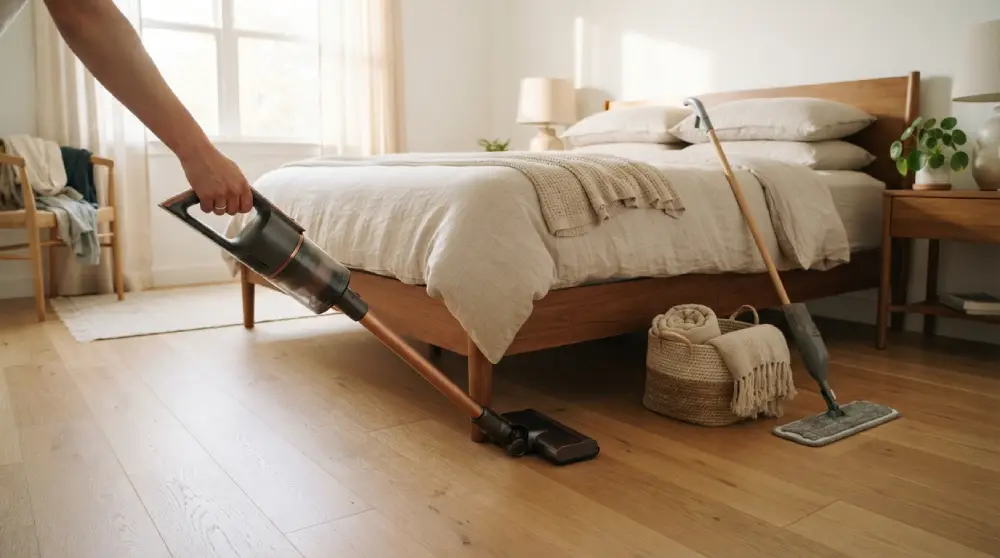
Most people clean the visible parts of their bedroom and forget the space beneath the bed. That hidden zone collects dust, lint, and stray socks faster than you would expect. Knowing how to clean under the bed efficiently saves time, improves air quality, and keeps your room feeling fresh.
The good news is that you do not need hours or fancy equipment. A clear plan and the right habits are enough.
Why Cleaning Under the Bed Matters
The area under your bed is a quiet corner where dust settles and rarely gets disturbed. Over time, it turns into a gathering spot for allergens.
Dust mites, pet dander, and pollen can build up there. When you sleep, you breathe air that has passed through that space.
A dirty under bed area can also attract pests. Crumbs, loose fabric, and clutter give insects a cozy hiding place.
Regular cleaning helps with:
- Better sleep and fewer allergy symptoms
- A fresher smelling bedroom
- Less dust spreading to the rest of the room
- A neater, calmer space
Tools You Need Before You Start
Having everything ready makes the job faster. Gather your supplies before you pull anything out.
Essential tools
- A vacuum cleaner with a crevice tool and a brush attachment
- A long handled microfiber duster or flat mop
- A few clean microfiber cloths
- A laundry basket or large bag for items you remove
- A mild all purpose cleaner or a mix of warm water and gentle soap
Helpful extras
- A flashlight to spot hidden dust and lost items
- A lint roller for edges and fabric
- Gloves if you are sensitive to dust
When your tools are within reach, you avoid walking back and forth, which is one of the biggest time wasters in any cleaning task.
A Simple Process to Clean Under the Bed Efficiently
Follow this flow from start to finish. Each stage prepares you for the next one, so you never repeat the same work twice.
Clear Everything Out First
Pull out boxes, bins, shoes, and anything else stored beneath the bed. Place them nearby so you can sort them quickly.
Take this chance to decide what stays and what goes. If you have not touched an item in a year, consider donating or discarding it.
A clear floor lets you clean the whole area in one pass rather than working around obstacles.
Remove Loose Dust and Debris
Start with a long handled duster or a dry flat mop. Sweep it across the floor from the back toward the front.
This lifts the heavy layer of dust bunnies and hair before you vacuum. It also keeps the vacuum from clogging.
Use your flashlight to check corners and along the baseboard. Dust loves to hide in those edges.
Vacuum Thoroughly
Switch to your vacuum with the crevice tool for the edges and the brush attachment for open floor.
Work in slow, overlapping strokes. Fast passes leave fine dust behind, especially on carpet.
Do not forget the underside of the bed frame and the slats. Use the brush attachment to pull dust away from the wood or metal.
If your mattress sits on a box spring, vacuum the bottom edge gently as well.
Wipe Hard Surfaces
Dampen a microfiber cloth with your mild cleaner. Wring it out well so it is damp, not wet.
Wipe the bed frame legs, the lower rails, and any hard flooring beneath. Hardwood and tile respond well to this quick wipe.
Follow with a dry cloth to prevent moisture from lingering. Dry surfaces stay cleaner for longer.
Handle Stubborn Spots
Sticky spills, pet marks, or scuffs may need a little extra attention. Apply a small amount of cleaner to the spot and let it sit for a minute.
Then gently rub with a cloth. Avoid harsh scrubbing, which can damage floors or fabric.
For carpet stains, blot instead of rubbing so the stain does not spread.
Put Everything Back the Smart Way
Before returning your items, wipe them down. Boxes and bins collect dust on top and along the bottom.
Use closed containers with lids so dust stays out. Label them if it helps you find things quickly.
Place heavier items toward the edges and lighter ones toward the center. This makes future cleaning easier because everything is easy to reach.
Smart Habits That Keep the Space Clean
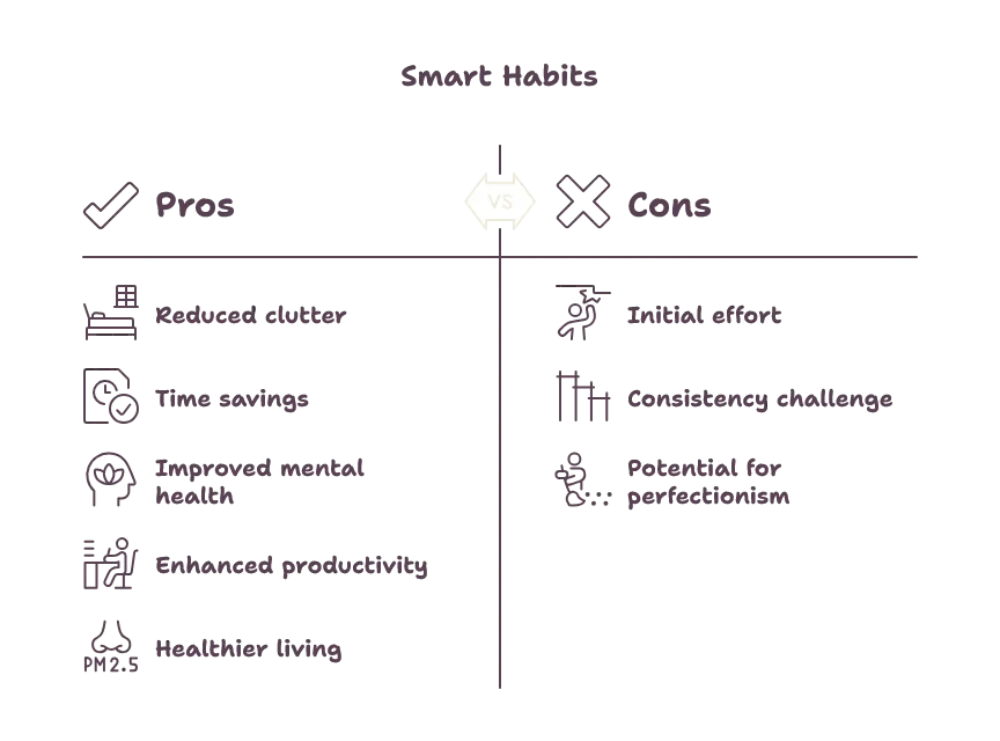
Efficiency is not only about the cleaning session. It is also about how you maintain the area afterward.
Set a Simple Schedule
A quick sweep or vacuum under the bed once a week prevents heavy buildup. Plan a deeper clean once a month, or more often if you have pets.
Pair this task with your regular bedroom cleaning day. When it becomes routine, it takes only a few minutes.
Consider Bed Risers
Raising your bed a few inches gives you more room to maneuver tools. It makes vacuuming and dusting far easier.
If you are tired of struggling with a low bed frame, this small change can transform the job.
Choose Storage Wisely
Under the bed storage is useful, but too much clutter makes cleaning harder. Use sturdy bins with wheels or smooth bottoms so you can slide them out in seconds.
Keep the space organized and avoid stuffing loose items in. Fewer loose objects mean fewer places for dust to hide.
Control Dust at the Source
Wash your bedding regularly, since fibers and skin cells often drift down to the floor. Keep pets off the bed if shedding is a problem.
Opening windows for short periods and using a clean air filter also reduce how much dust settles under the bed.
Common Mistakes to Avoid
Even with good intentions, a few errors can slow you down or make the job less effective.
- Skipping the dry dusting stage and going straight to a damp cloth, which smears dust
- Using too much water on wood floors, which can cause damage
- Ignoring the bed frame and focusing only on the floor
- Leaving items under the bed without cleaning them first
- Rushing the vacuum passes and missing fine dust
Avoiding these mistakes keeps your effort focused and your results lasting.
Conclusion
Learning how to clean under the bed efficiently comes down to a simple order of work. Clear the space, remove loose dust, vacuum well, wipe surfaces, and return items in an organized way.
Add a few smart habits, such as a weekly sweep and tidy storage, and the task stays quick and easy. A clean space beneath your bed supports better sleep, healthier air, and a calmer bedroom overall.
FAQs
How often should I clean under the bed?
A light vacuum or dusting once a week works well for most homes. Do a deeper clean once a month, and clean more often if you have pets or allergies.
What is the best tool to clean under the bed?
A vacuum with a crevice tool and brush attachment is the most effective. Pair it with a long handled microfiber duster to reach the back corners easily.
Can I clean under the bed without moving the bed?
Yes. A flat microfiber mop and a vacuum with a long hose attachment can reach most areas. Moving the bed now and then still gives you the most thorough result.
How do I stop dust from building up under the bed so quickly?
Wash bedding often, use lidded storage bins, and keep the space free from clutter. Raising the bed on risers also improves airflow and makes regular cleaning faster.
Is it safe to store items under the bed?
Yes, as long as you use clean, closed containers and keep the area organized. Avoid storing food or damp items, since they can attract pests and cause odors.