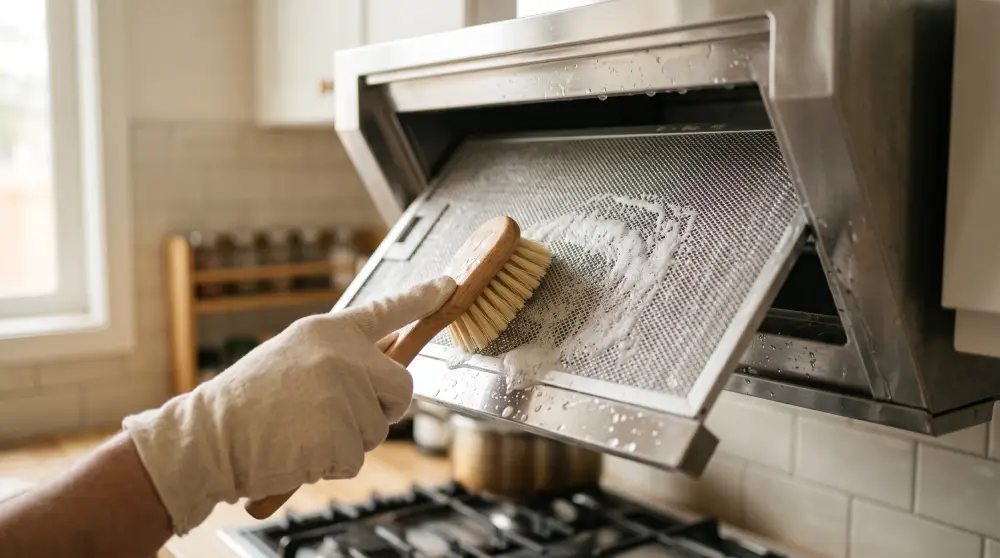
Knowing how to clean kitchen exhaust filters is essential for anyone who cooks regularly, since these filters trap grease, smoke, and odors that would otherwise circulate through your home. Over time, grease builds up on the filter mesh, reducing suction power and increasing the risk of fire hazards. A clean exhaust filter not only improves air quality but also helps your kitchen chimney or hood run more efficiently. In this guide, we will walk you through simple, effective methods to clean your kitchen exhaust filters using items you likely already have at home.
Why Cleaning Kitchen Exhaust Filters Matters
Kitchen exhaust filters work hard every single day, absorbing oil particles, smoke, and steam released during cooking. When these filters are neglected, grease hardens on the mesh, blocking airflow and forcing the motor to work harder. This can lead to higher energy consumption, unpleasant odors, and even smoke alarms going off unnecessarily.
Regular cleaning extends the life of your exhaust system and ensures it continues to filter air effectively. It also reduces the chances of grease dripping back onto your countertops or stovetop.
Signs Your Exhaust Filter Needs Cleaning
There are a few clear signs that indicate your filter needs attention.
- Reduced suction or weaker airflow from the hood
- Visible grease buildup on the mesh or filter surface
- Lingering smoke or cooking odors in the kitchen
- Unusual noise coming from the exhaust motor
- A sticky or oily film on nearby cabinets
If you notice any of these signs, it is time to remove and clean the filter thoroughly.
Tools and Ingredients You Will Need
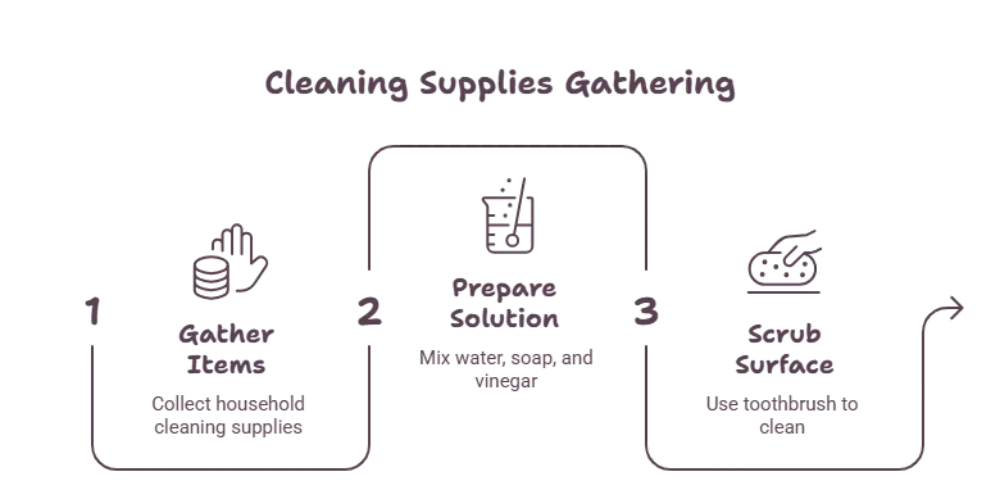
Before you begin, gather a few simple household items. Most of these are things you probably already have in your kitchen.
- A large sink, tub, or basin
- Hot water
- Baking soda
- Dish soap or degreasing liquid
- White vinegar
- An old toothbrush or soft scrub brush
- Rubber gloves
- A dry cloth or paper towels
Step by Step Guide to Cleaning Kitchen Exhaust Filters
Remove the Filter Safely
Start by switching off the exhaust fan and unplugging the unit if possible. Most filters can be removed by sliding them out or unclipping small latches. Handle the filter carefully since grease buildup can make it slippery.
Soak the Filter in Hot Water
Fill a basin or your kitchen sink with hot water. Add a generous amount of dish soap or a degreasing liquid, then submerge the filter completely. Let it soak for at least fifteen to twenty minutes. This softens the hardened grease, making it easier to scrub away later.
Use Baking Soda for Extra Cleaning Power
For filters with stubborn grease, sprinkle baking soda directly onto the mesh while it is still wet. Baking soda works as a natural degreaser and helps lift oily residue without damaging the metal. Let it sit for a few minutes before scrubbing.
Scrub Gently with a Brush
Using an old toothbrush or a soft scrub brush, gently scrub the filter in circular motions. Focus on corners and mesh gaps where grease tends to accumulate the most. Avoid using metal scrubbers, as they can scratch or damage the filter surface.
Rinse Thoroughly
Once you have scrubbed away the grease, rinse the filter under running hot water. Make sure no soap or baking soda residue remains, as leftover residue can attract dust once the filter is back in use.
Dry Completely Before Reinstalling
Pat the filter dry with a cloth, then let it air dry completely before placing it back into the exhaust unit. Reinstalling a wet filter can lead to water damage or promote mold growth inside the exhaust system.
Natural Cleaning Alternatives
If you prefer avoiding strong chemical degreasers, natural alternatives can work just as well for regular maintenance.
Vinegar and Hot Water Soak
Mix equal parts white vinegar and hot water in a basin. Soak the filter for about twenty minutes. Vinegar helps break down light grease and neutralizes odors, making it a great option for filters that are not extremely dirty.
Boiling Water Method
For filters made of durable metal, boiling them briefly in a pot of water mixed with baking soda and a splash of dish soap can loosen even tough grease deposits quickly.
How Often Should You Clean Exhaust Filters
The frequency of cleaning depends on how often you cook and what type of food you prepare. Kitchens that regularly fry food or cook with heavy oils should clean filters every two to three weeks. For lighter cooking habits, once a month is usually sufficient.
Setting a reminder on your phone or marking a calendar can help you stay consistent, since grease buildup happens gradually and is easy to overlook.
Tips to Keep Your Exhaust Filter Cleaner for Longer
A few small habits can significantly reduce how often you need deep cleaning sessions.
- Use lids while cooking to reduce grease splatter
- Turn on the exhaust fan before you start cooking, not after
- Wipe the filter surface with a damp cloth weekly
- Avoid letting grease sit for long periods before cleaning
Conclusion
Cleaning kitchen exhaust filters does not have to be a complicated task. With simple household ingredients like baking soda, vinegar, and dish soap, you can remove grease buildup and keep your kitchen air fresh and safe. Regular maintenance not only improves the performance of your exhaust system but also extends its lifespan, saving you from bigger cleaning headaches down the road. Make filter cleaning a part of your regular kitchen routine, and you will notice a real difference in air quality and cooking comfort.
Frequently Asked Questions
How often should I clean my kitchen exhaust filter?
It depends on cooking frequency, but generally every two to four weeks works well for most households.
Can I clean the exhaust filter with just water?
Water alone may not remove hardened grease effectively, so adding dish soap or baking soda gives better results.
Is vinegar safe for cleaning exhaust filters?
Yes, vinegar is a safe and natural option for cutting through light grease and neutralizing odors.
Do I need to remove the filter to clean it properly?
Yes, removing the filter allows for a deeper clean and helps you reach all the greasy corners and mesh gaps.
What happens if I never clean my exhaust filter?
Neglected filters lose suction power, trap odors, and can even become a fire hazard due to grease buildup.