If you have been searching for the best homemade oven cleaner, you are probably tired of scrubbing burnt grease with harsh chemical sprays that leave a strong smell behind. The good news is that your kitchen cabinet already has everything you need to make an oven cleaner that works just as well, without any toxic fumes. In this guide, you will learn simple, natural recipes and methods to clean your oven using ingredients you already own.
Why Choose a Homemade Oven Cleaner
Store bought oven cleaners often contain strong chemicals that can irritate your skin, eyes, and lungs. A homemade oven cleaner is gentler on your body and the environment while still cutting through baked on grease and grime. Natural ingredients like baking soda, vinegar, and lemon are safe to use around food surfaces and do not leave behind harmful residue. They are also incredibly simple to make and require very little effort once you know the right combination.
Ingredients You Probably Already Have at Home
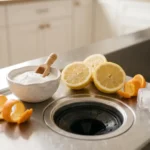
Most homemade oven cleaner recipes rely on a handful of pantry staples. Baking soda acts as a gentle abrasive that lifts stubborn stains without scratching the oven surface. White vinegar breaks down grease and neutralizes odors. Lemon adds a fresh scent and extra cutting power thanks to its natural acidity. Dish soap helps loosen oily residue, and warm water is used to create the right consistency for scrubbing pastes.
Best Homemade Oven Cleaner Recipes

Baking Soda and Vinegar Paste
This is one of the most popular and effective homemade oven cleaner methods. Mix baking soda with a small amount of water until it forms a thick paste. Spread the paste generously across the interior surfaces of the oven, avoiding the heating elements. Let it sit overnight so it can soften baked on grime. The next day, spray white vinegar over the dried paste. It will fizz and bubble, which helps lift the grease. Wipe everything away with a damp cloth.
Lemon and Baking Soda Scrub
For a fresher smelling clean, combine baking soda with fresh lemon juice instead of water. The citric acid in lemon boosts the cleaning power and leaves your oven smelling bright and clean. Apply the mixture to greasy spots, let it rest for about thirty minutes, then scrub gently with a sponge before wiping clean.
Dish Soap and Baking Soda Solution
If your oven has years of buildup, try mixing baking soda with a few drops of dish soap and warm water. The soap helps break down oily residue while the baking soda scrubs it away. Apply the mixture to tough stains, let it sit for fifteen to twenty minutes, then wipe with a damp sponge.
Steam Cleaning Method with Vinegar
For a low effort option, place an oven safe bowl filled with water and a splash of vinegar inside the oven. Heat the oven to a low temperature for about twenty minutes so the steam can loosen grime naturally. Turn off the oven, let it cool slightly, then wipe down the softened residue with a cloth.
Step by Step Cleaning Process
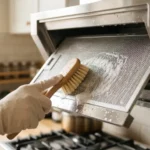
Begin by removing the oven racks and soaking them separately in warm soapy water. While the racks soak, apply your chosen homemade cleaner mixture to the interior walls, floor, and door of the oven. Allow the mixture to sit long enough to break down grease, then wipe away the residue using a damp cloth or sponge. Rinse the surface with a clean, slightly damp cloth to remove any leftover baking soda residue. Once the racks are scrubbed and rinsed, dry them thoroughly and place them back inside the oven.
Tips for Maintaining a Clean Oven
Wipe up spills as soon as the oven cools down instead of letting them bake on repeatedly. Place a sheet of foil or an oven safe tray beneath dishes that tend to bubble over, catching drips before they hit the oven floor. Clean your oven lightly every few weeks rather than waiting for heavy buildup, since light maintenance is always easier than deep cleaning. Keep a small jar of baking soda paste ready in the kitchen so you can tackle spots the moment you notice them.
Mistakes to Avoid When Cleaning Your Oven
Avoid mixing vinegar and baking soda in a sealed container, since the chemical reaction can cause pressure to build up. Never apply cleaning paste directly onto heating elements or exposed wiring. Skip abrasive scrubbers like steel wool, which can scratch enamel surfaces permanently. Do not close the oven door tightly while cleaning solutions are still wet, as trapped moisture can affect the door seal over time.
Conclusion
Making your own oven cleaner at home is easier than most people expect, and the results can rival anything found on store shelves. With simple ingredients like baking soda, vinegar, lemon, and dish soap, you can safely tackle grease and grime without exposing your kitchen to harsh chemicals. Try one of these homemade oven cleaner recipes during your next cleaning session and enjoy a fresh, spotless oven the natural way.
Frequently Asked Questions
Is baking soda and vinegar safe for cleaning ovens?
Yes, this combination is safe for most oven interiors and is one of the gentlest yet most effective natural cleaning methods available.
How long should I leave baking soda paste in the oven?
For best results, leave the paste on for several hours or overnight so it can fully soften baked on grease.
Can I use lemon juice instead of vinegar?
Yes, lemon juice works well as a substitute for vinegar and adds a pleasant natural scent while still cutting through grime.
How often should I clean my oven naturally?
Light cleaning every few weeks helps prevent heavy buildup, making each cleaning session quicker and easier.
Will homemade oven cleaner remove burnt on stains?
Yes, with enough resting time, natural ingredients like baking soda and vinegar can loosen and remove even stubborn burnt on stains.