Learning how to clean black mold in shower grout is essential for anyone dealing with those stubborn dark spots that creep along tile lines. Black mold thrives in warm, damp spaces like showers, and grout, being porous, gives it the perfect surface to settle into. The good news is that with the right approach, you can remove it completely and keep your bathroom looking fresh and healthy.
- Why Black Mold Grows in Shower Grout
- Signs You Have Black Mold in Your Shower
- What You Need Before You Start Cleaning
- How to Clean Black Mold in Shower Grout Naturally
- How to Clean Black Mold in Shower Grout Using Stronger Solutions
- Step by Step Cleaning Process
- How to Prevent Black Mold From Returning
- When to Consider Replacing Grout
- Final Thoughts
- FAQs
Why Black Mold Grows in Shower Grout
Grout is naturally porous, which means it absorbs moisture easily. Combine that with the steam and humidity of daily showers, and you get an ideal environment for mold spores to grow. Poor ventilation, soap scum buildup, and infrequent cleaning all speed up the process.
Common Causes of Mold in Grout
Bathrooms without exhaust fans tend to trap moisture longer than necessary. Leftover soap and shampoo residue also feed mold growth since they contain organic material. Cracked or aging grout allows water to seep deeper, creating hidden pockets where mold can spread undetected.
Signs You Have Black Mold in Your Shower
Before cleaning, it helps to confirm what you are dealing with. Black mold typically appears as dark speckled patches or solid black lines along grout seams. It often comes with a musty smell that lingers even after the bathroom has been aired out. In some cases, the grout may feel slightly slimy or discolored compared to surrounding areas.
What You Need Before You Start Cleaning
Gathering supplies beforehand makes the cleaning process smoother. You will want rubber gloves to protect your hands, a soft scrub brush or old toothbrush for tight grout lines, and proper ventilation such as an open window or running fan. Safety glasses are also a good idea if you plan to use stronger cleaning solutions.
How to Clean Black Mold in Shower Grout Naturally
Natural cleaning methods are popular because they are gentle, affordable, and free from harsh fumes.
Using Baking Soda and Water
Create a thick paste using baking soda and a small amount of water. Apply it directly onto the moldy grout lines and let it sit for about fifteen minutes. Scrub gently with a brush, then rinse thoroughly with warm water. Baking soda helps lift mold stains while also deodorizing the area.
Using White Vinegar
White vinegar is a natural disinfectant that works well against mold spores. Pour undiluted vinegar into a spray bottle and coat the affected grout completely. Allow it to sit for at least thirty minutes before scrubbing and rinsing. Vinegar not only kills surface mold but also helps prevent regrowth.
Combining Baking Soda and Vinegar
For tougher mold stains, combine both methods. Spray vinegar first, then sprinkle baking soda over the same area. The gentle fizzing reaction helps break down grime and mold residue. Scrub thoroughly and rinse well afterward.
How to Clean Black Mold in Shower Grout Using Stronger Solutions
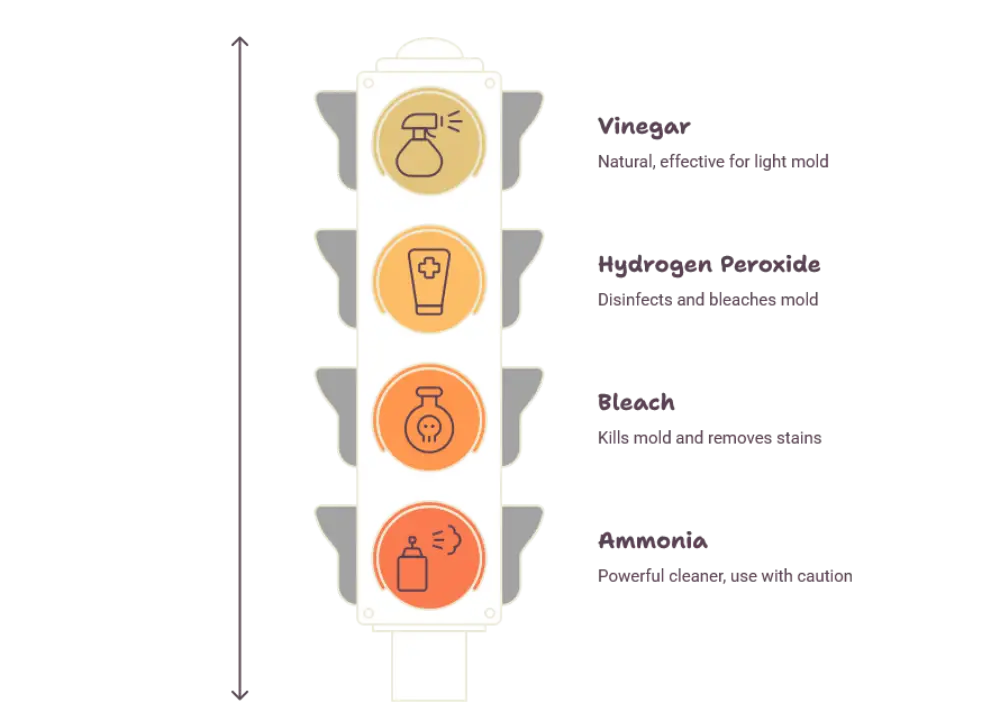
If natural methods do not fully remove the mold, slightly stronger household solutions can help.
Using Hydrogen Peroxide
Hydrogen peroxide is effective at breaking down mold at a deeper level. Pour it into a spray bottle and apply directly onto the grout. Let it sit for ten to fifteen minutes, allowing the solution to bubble and penetrate the mold. Scrub with a brush and rinse with clean water.
Using Diluted Bleach
Bleach is a strong option for severe mold buildup, though it should be used carefully. Dilute it with water and apply only to the grout lines, avoiding contact with colored tiles that may fade. Ensure the bathroom is well ventilated during use. Rinse thoroughly once scrubbing is complete.
Using Commercial Mold and Mildew Removers
Store bought mold removers designed specifically for grout can offer quick and reliable results. Follow the instructions on the product label, apply evenly, and scrub after the recommended waiting time. These products often contain ingredients built to penetrate porous grout more effectively than household items alone.
Step by Step Cleaning Process
Start by ventilating the bathroom to reduce fume exposure. Wet the grout slightly before applying your chosen cleaning solution so it spreads evenly. Let the solution sit long enough to break down mold at its root rather than just the surface. Scrub firmly along the grout lines using a brush suited for tight spaces. Rinse thoroughly with warm water and dry the area completely to prevent moisture from lingering.
How to Prevent Black Mold From Returning
Cleaning mold is only half the battle. Preventing its return keeps your shower looking clean long term.
Improve Bathroom Ventilation
Running an exhaust fan during and after showers helps reduce humidity levels significantly. If your bathroom lacks proper ventilation, keeping a window open or using a dehumidifier can make a noticeable difference.
Dry Surfaces After Each Shower
Wiping down tiles and grout with a squeegee or towel after every shower prevents moisture from settling into porous areas. This simple habit can drastically slow mold growth.
Reseal Grout Regularly
Applying a grout sealer creates a protective barrier that reduces water absorption. Resealing every few months helps maintain that protection and keeps mold from taking hold again.
Clean Regularly With Mild Solutions
Routine light cleaning, even without visible mold, helps prevent buildup of soap scum and organic residue that mold feeds on. A quick wipe with vinegar or a mild cleaner once a week can go a long way.
When to Consider Replacing Grout
In cases where mold has deeply penetrated the grout and cleaning no longer restores its appearance, replacement may be necessary. Persistent staining, crumbling grout, or a musty smell that never fully disappears are strong indicators that the grout has reached the end of its usable life.
Final Thoughts
Knowing how to clean black mold in shower grout empowers you to maintain a healthier, fresher bathroom without much hassle. Whether you choose natural remedies or stronger cleaning agents, consistency and proper ventilation are key to keeping mold away for good. With regular maintenance, your shower grout can stay clean, bright, and mold free for a long time.
FAQs
What causes black mold in shower grout?
Black mold grows due to trapped moisture, poor ventilation, and organic residue like soap scum that feeds mold spores.
Is black mold in shower grout dangerous?
It can trigger allergies or respiratory issues in sensitive individuals, so cleaning it promptly is recommended.
Can vinegar remove black mold from grout?
Yes, vinegar is a natural disinfectant that breaks down mold and helps prevent it from returning.
How often should shower grout be cleaned to prevent mold?
Cleaning once a week with a mild solution helps stop mold from building up over time.