If your towels feel stiff, your whites look dull, and your washing machine seems to be working overtime, hard water might be the hidden culprit. Finding the best detergent for hard water can completely change how your clothes feel and look after every wash. In this guide, you will learn what hard water does to laundry, what to look for in a detergent, and how to get the cleanest results possible.
- Understanding Hard Water and Its Effect on Laundry
- Why Choosing the Right Detergent Matters
- Key Features to Look for in the Best Detergent for Hard Water
- Types of Detergents That Work Well in Hard Water
- Tips to Maximize Detergent Performance in Hard Water
- Common Mistakes to Avoid
- Conclusion
- Frequently Asked Questions
Understanding Hard Water and Its Effect on Laundry
What Makes Water Hard
Hard water contains high levels of minerals, mainly calcium and magnesium. These minerals occur naturally as water passes through rock and soil before reaching your home. While hard water is safe to drink, it creates real challenges when it comes to cleaning.
How Hard Water Affects Your Clothes
When hard water mixes with regular detergent, it reacts with the minerals instead of fully dissolving. This reaction forms a soapy residue that clings to fabric fibers. Over time, this residue causes clothes to feel rough, look faded, and lose their shape. It can also trap odors, making laundry smell less fresh even right after washing.
Why Choosing the Right Detergent Matters
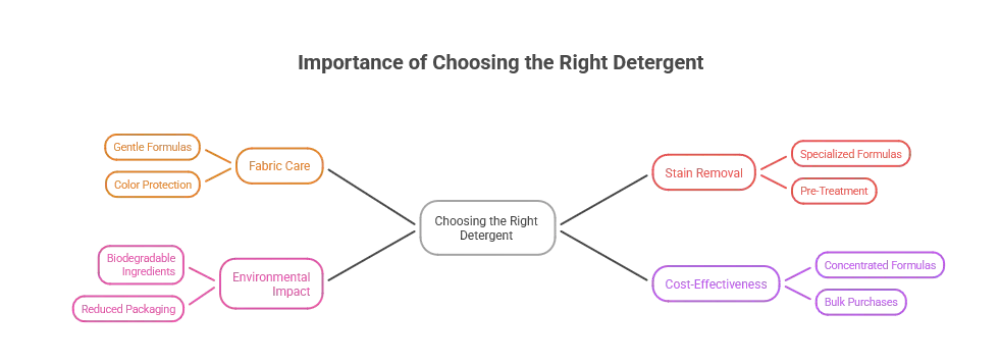
Not every detergent performs well in hard water conditions. Standard formulas are often designed for average water conditions and simply cannot cut through mineral buildup effectively. This is why choosing a detergent made specifically for tough water conditions makes such a noticeable difference.
Signs You Need a Hard Water Detergent
You might be dealing with hard water laundry issues if you notice any of the following patterns.
Clothes feel scratchy or stiff after drying Whites turn gray or yellow over time Detergent does not lather well Soap scum appears on clothing or inside the machine Fabrics wear out faster than expected.
Key Features to Look for in the Best Detergent for Hard Water
Water Softening Agents
The best detergent for hard water typically includes built in water softening agents. These ingredients bind with calcium and magnesium so the detergent can clean effectively instead of reacting with mineral deposits.
Enzyme Power
Enzyme based detergents break down stains at a molecular level. This is especially helpful in hard water since enzymes remain active even when minerals are present, unlike some traditional cleaning agents that lose strength in tough water.
Concentrated Formulas
Concentrated detergents pack more cleaning power into every scoop or capful. In hard water, this extra strength helps overcome mineral interference and ensures clothes actually get clean rather than simply rinsed.
Types of Detergents That Work Well in Hard Water
Liquid Detergents
Liquid detergents dissolve quickly and distribute evenly through the wash cycle. They are a strong choice for hard water because they do not leave behind the gritty residue that some powders can produce.
Powder Detergents
High quality powder detergents formulated for hard water often include added softening compounds. These work well for heavily soiled laundry and tend to be effective on tough stains like mud or grease.
Detergent Pods
Pods offer a convenient, pre measured dose of concentrated detergent. Many modern pods are formulated with hard water performance in mind, combining cleaning agents and softeners in one simple unit.
Tips to Maximize Detergent Performance in Hard Water
Use a Water Softener Additive
Adding a water softening booster alongside your regular detergent can enhance cleaning results significantly. These additives target mineral content directly, allowing your detergent to work as intended.
Adjust Detergent Quantity
Hard water often requires a slightly larger amount of detergent than the standard recommendation. This helps balance out the minerals so enough active cleaning agent remains to treat your clothes properly.
Wash in Warm Water
Warmer water temperatures help detergent dissolve more completely and improves its ability to lift dirt and residue from fabric. Cold water can sometimes leave hard water minerals only partially dissolved.
Common Mistakes to Avoid
Using too little detergent Skipping a rinse cycle Overloading the washing machine Ignoring visible mineral buildup inside the machine drum Choosing a detergent without checking if it suits hard water conditions
Avoiding these mistakes, along with selecting a properly formulated detergent, can make a major difference in the final result of every wash.
Conclusion
Hard water does not have to mean dingy, stiff, or short lived laundry. By understanding how mineral content affects your wash and choosing the best detergent for hard water, you can restore softness, brightness, and freshness to your clothes. Pairing the right detergent with a few smart washing habits, such as adjusting quantity and using warm water, will help you get consistently clean results wash after wash.
Frequently Asked Questions
What is the best detergent for hard water?
The best detergent for hard water is one that contains built in water softening agents and strong enzyme cleaners, since these ingredients help counteract mineral buildup and allow the detergent to clean effectively.
Why does my laundry feel stiff even after washing?
Stiff laundry is usually caused by mineral residue left behind by hard water. This residue clings to fabric fibers and prevents detergent from rinsing away completely.
Does hard water reduce the effectiveness of regular detergent?
Yes. Regular detergent reacts with calcium and magnesium in hard water, which reduces its ability to lift dirt and can leave a soapy film on clothes.
Should I use more detergent when washing with hard water?
In most cases, using a slightly larger amount of detergent helps offset the mineral content in hard water, allowing enough active cleaning agent to properly treat your laundry.
Can a water softener help improve detergent performance?
Yes. A water softener or softening additive reduces mineral content in the water, which allows detergent to dissolve fully and clean more effectively.