Want to know? How to Remove Soap Scum from Tiles? Soap scum is one of the most stubborn problems that builds up on bathroom and kitchen tiles over time. It forms when soap combines with hard water minerals, leaving behind a chalky, dull film that makes even freshly cleaned tiles look grimy. If you have noticed that your shower walls or tile floors feel sticky or look cloudy no matter how often you wipe them, this guide will walk you through simple, effective ways to get rid of soap scum for good.
What Causes Soap Scum on Tiles
Soap scum forms when the fatty acids in soap react with calcium and magnesium found in hard water. This reaction creates a solid residue that clings to tile surfaces, grout lines, glass doors, and fixtures. Areas with high humidity, like showers and bathtubs, are especially prone to this buildup because moisture speeds up the process.
Over time, soap scum can harden and become almost impossible to remove with a simple wipe down. That is why regular cleaning combined with the right techniques makes such a big difference.
Why You Should Remove Soap Scum Regularly
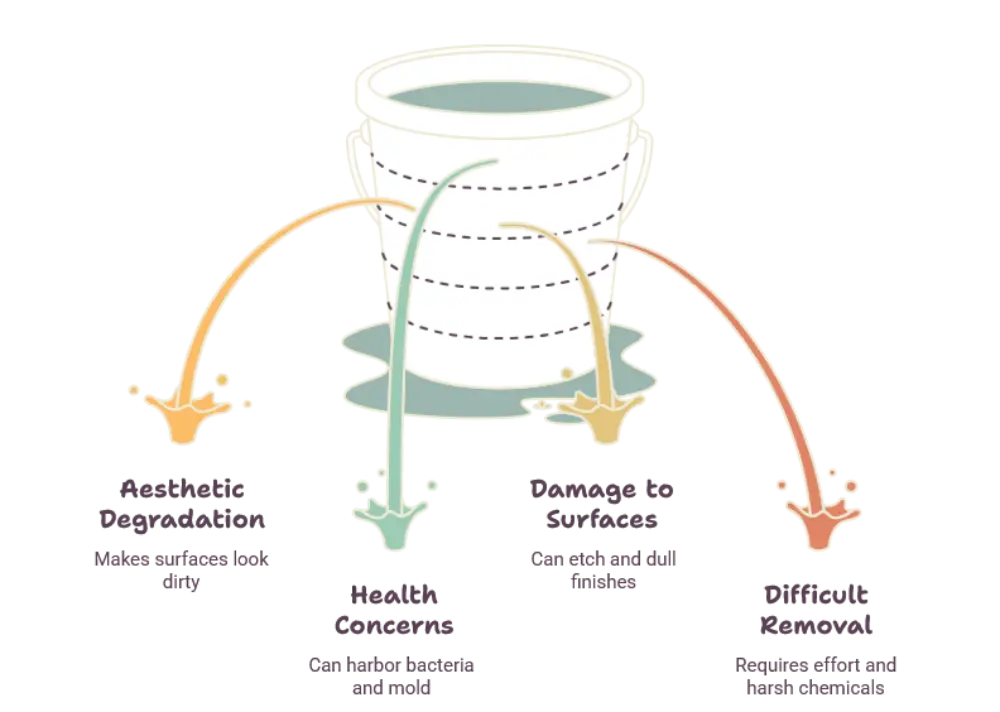
Letting soap scum sit on tiles does more than affect appearance. It can trap bacteria and mold spores, making bathrooms less hygienic. It also dulls the natural shine of tiles and can eventually damage grout, leading to costly repairs down the road. Cleaning soap scum regularly keeps your bathroom fresh, sanitary, and visually appealing.
Simple Ways to Remove Soap Scum from Tiles
There are several tried and tested methods for tackling soap scum, ranging from household staples to store bought cleaners. Below are the most effective approaches you can try at home.
Using Vinegar and Water
White vinegar is a natural acid that breaks down mineral deposits and soap residue effectively. Mix equal parts white vinegar and warm water in a spray bottle. Spray the solution generously over the affected tiles and let it sit for about ten minutes. Scrub gently with a soft brush or sponge, then rinse thoroughly with warm water. This method works particularly well for light to moderate soap scum buildup.
Baking Soda Paste for Tough Stains
For thicker layers of soap scum, baking soda offers a gentle yet powerful abrasive action. Combine baking soda with a small amount of water until it forms a thick paste. Apply the paste directly onto the tiles and grout lines, then let it sit for around fifteen minutes. Scrub using a nylon brush in circular motions and rinse well. Baking soda is safe for most tile types and will not scratch glazed surfaces when used correctly.
Lemon Juice for a Fresh Approach
Lemon juice contains citric acid, which naturally dissolves mineral deposits while leaving a pleasant scent behind. Cut a lemon in half and rub it directly onto stained areas, or mix lemon juice with water in a spray bottle for larger surfaces. Allow it to sit briefly before scrubbing and rinsing. This method works well as a finishing touch after using vinegar or baking soda.
Commercial Tile Cleaners
If natural remedies are not cutting through heavy buildup, a commercial tile and bathroom cleaner designed specifically for soap scum removal can help. Look for products labeled safe for your tile type, whether ceramic, porcelain, or natural stone. Always follow the instructions on the label and ensure proper ventilation while cleaning.
Step by Step Cleaning Process
Once you have chosen your preferred cleaning solution, follow this general process for the best results.
Start by wetting the tile surface with warm water to loosen surface dirt. Apply your chosen cleaning solution evenly across the tiles, paying extra attention to corners and grout lines where soap scum tends to accumulate the most. Let the solution sit for the recommended time so it can break down the residue. Scrub using a soft bristled brush, moving in circular motions rather than back and forth, since this lifts grime more effectively. Rinse thoroughly with clean water to remove all traces of the cleaning solution. Finish by drying the tiles with a microfiber cloth or squeegee to prevent new water spots from forming.
Tips for Preventing Future Soap Scum Buildup
Prevention is often easier than repeated deep cleaning. A few simple habits can keep soap scum from becoming a recurring issue.
Squeegee Your Shower After Each Use
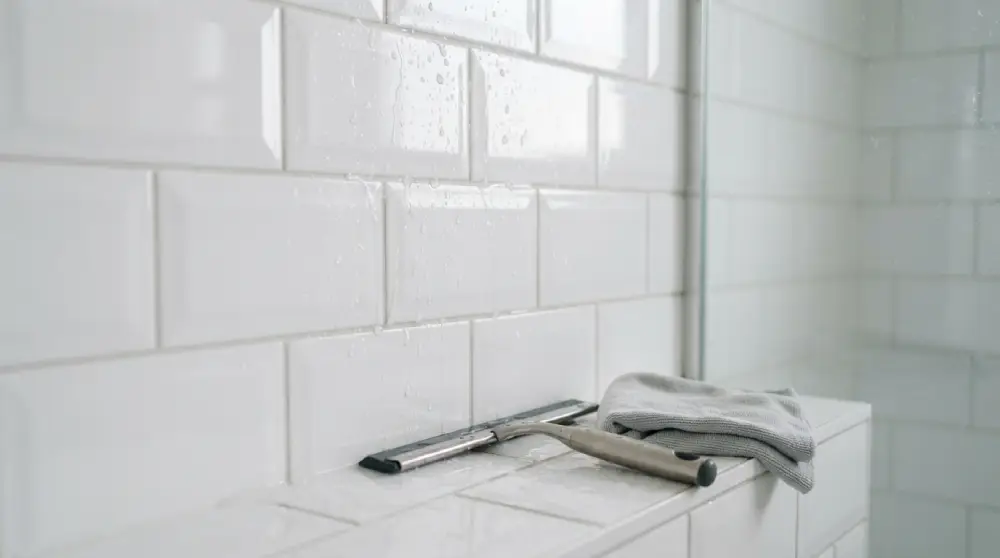
Wiping down shower walls and glass doors with a squeegee right after use removes excess water before it has a chance to combine with soap residue and dry into a film.
Switch to Liquid or Gel Soap
Bar soap tends to leave behind more residue compared to liquid or gel based body washes. Switching can significantly reduce the frequency of soap scum buildup.
Install a Water Softener
If you live in an area with hard water, installing a water softening system can drastically reduce mineral deposits throughout your home, including on tiles, fixtures, and glass surfaces.
Clean on a Regular Schedule
Setting a weekly cleaning routine, even a quick wipe down, prevents soap scum from hardening and becoming difficult to remove later.
Best Tools for Removing Soap Scum
Having the right tools on hand makes the cleaning process faster and more effective. A soft bristled scrub brush works well for grout lines without causing scratches. Microfiber cloths are excellent for drying and buffing tiles to a streak free shine. A quality squeegee helps maintain glass shower doors between deep cleans. Non abrasive sponges are ideal for daily wipe downs without damaging tile glaze.
Mistakes to Avoid When Cleaning Soap Scum
Using harsh abrasive scrubbers or steel wool can scratch tile surfaces, especially on softer materials like natural stone. Mixing different chemical cleaners together can also create dangerous fumes, so it is best to stick with one product at a time and rinse thoroughly between uses. Skipping the rinse step often leaves behind a hazy film that can be mistaken for more soap scum.
Conclusion
Removing soap scum from tiles does not have to be a frustrating chore. With natural solutions like vinegar, baking soda, and lemon juice, along with consistent maintenance habits, you can keep your bathroom tiles looking clean, bright, and scum free. Regular upkeep combined with the right tools will save you time and effort in the long run, making deep cleaning sessions far less demanding.
Frequently Asked Questions
What is the fastest way to remove soap scum from tiles?
A vinegar and water spray combined with a few minutes of scrubbing is usually the fastest way to break down soap scum, especially for light to moderate buildup.
Can baking soda damage tile surfaces?
Baking soda is a gentle abrasive and is generally safe for ceramic and porcelain tiles. It is best to test a small area first when using it on delicate natural stone surfaces.
How often should I clean soap scum from my shower tiles?
Cleaning once a week, along with squeegeeing after every shower, helps prevent soap scum from building up and becoming difficult to remove.
Does hard water make soap scum worse?
Yes, hard water contains high levels of calcium and magnesium, which react with soap to form scum more quickly than in areas with soft water.
Is it safe to use vinegar on all types of tile?
Vinegar works well on most ceramic and porcelain tiles, but it should be avoided on natural stone tiles such as marble or travertine since the acid can etch the surface.