Learning how to clean silicone caulk is one of the easiest ways to bring your bathroom, kitchen, or shower back to life without replacing the caulk entirely. Over time, caulk lines around sinks, tubs, and windows collect soap scum, mold, mildew, and grime that make even a spotless room look dirty. The good news is that with the right approach, you can restore that clean white seal in under an hour using simple household items.
- Why Silicone Caulk Gets Dirty So Fast
- Common Causes of Caulk Staining
- What You Will Need Before You Start
- Step by Step Guide to Cleaning Silicone Caulk
- How to Deep Clean Yellowed or Moldy Caulk
- Preventing Future Buildup on Silicone Caulk
- When to Replace Silicone Caulk Instead of Cleaning It
- Conclusion
- Frequently Asked Questions
Why Silicone Caulk Gets Dirty So Fast
Silicone caulk sits in some of the most moisture heavy areas of your home. Bathrooms and kitchens are warm, humid, and often poorly ventilated, which creates the perfect environment for mold and mildew to grow. Silicone also has a slightly porous texture at a microscopic level, allowing soap residue and grime to cling to it more than smooth surfaces like tile or glass.
Common Causes of Caulk Staining
Soap scum buildup from daily showers, hard water mineral deposits, mold and mildew growth in damp corners, and dust mixed with humidity are the main culprits behind discolored caulk. Identifying the cause helps you choose the right cleaning method.
What You Will Need Before You Start
Gathering your supplies beforehand makes the cleaning process smooth and efficient. You will typically need white vinegar, baking soda, hydrogen peroxide, a soft bristle brush or old toothbrush, microfiber cloths, and rubber gloves. Most of these items are already sitting in your kitchen or bathroom cabinet.
Step by Step Guide to Cleaning Silicone Caulk
Cleaning silicone caulk does not require harsh chemicals or professional tools. Following a simple routine can remove most stains and buildup naturally.
Preparing the Area
Start by removing any items near the caulk line, such as bath mats, soap dishes, or shower curtains. Ventilate the room by opening a window or turning on the exhaust fan, especially if you plan to use vinegar or peroxide based solutions.
Using Baking Soda and Vinegar
Baking soda and vinegar create a gentle yet powerful cleaning reaction. Sprinkle baking soda directly onto the caulk line, then spray white vinegar over it. Let the mixture fizz and sit for about ten minutes before scrubbing gently with a soft brush. Rinse thoroughly with warm water and dry with a clean cloth.
Using Hydrogen Peroxide for Mold Stains
For caulk affected by mold or mildew, hydrogen peroxide works wonders. Apply it directly to the stained area using a spray bottle or cotton pad. Allow it to sit for fifteen to twenty minutes so it can break down the mold spores, then wipe clean with a damp cloth. Avoid mixing hydrogen peroxide with vinegar at the same time, as combining them can create an irritating compound.
Scrubbing Techniques That Actually Work
Use a soft bristle brush rather than steel wool or abrasive pads, since silicone can scratch or tear easily. Scrub in gentle circular motions and rinse frequently to check your progress. Patience matters more than pressure when it comes to preserving the integrity of the caulk.
How to Deep Clean Yellowed or Moldy Caulk
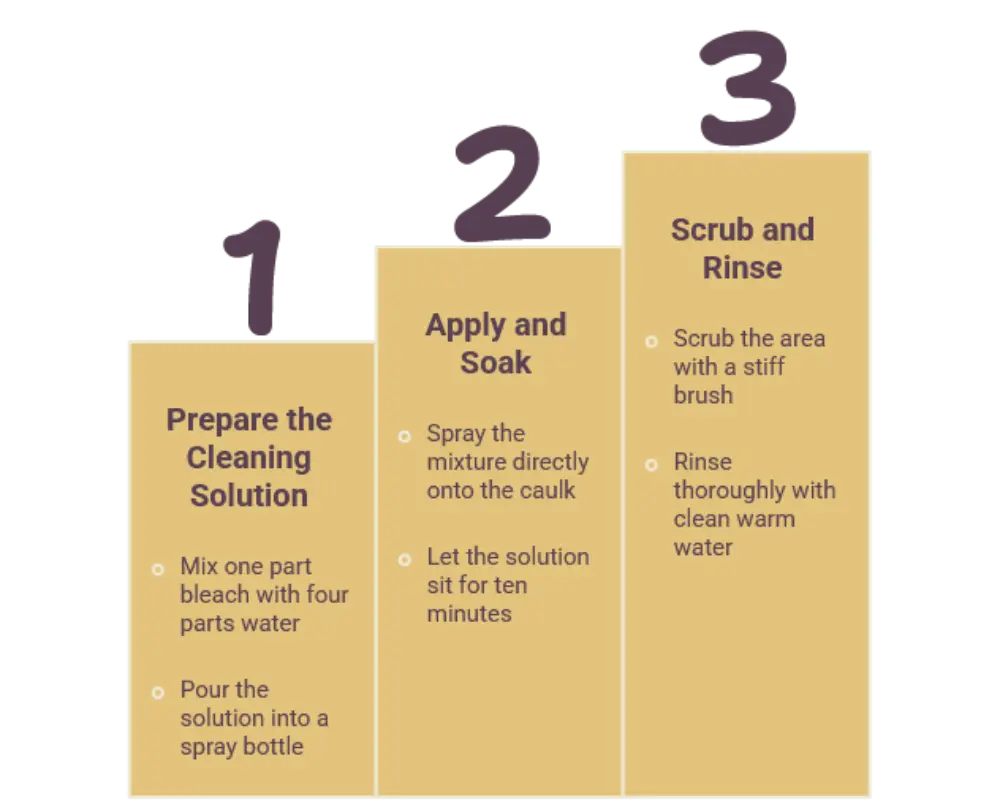
Sometimes caulk becomes so discolored that a simple wipe down is not enough. In these cases, a deeper cleaning approach is required.
Making a Natural Whitening Paste
Combine baking soda with a small amount of hydrogen peroxide until it forms a thick paste. Apply the paste generously along the caulk line and let it sit for thirty minutes. This allows the mixture to penetrate deep into the porous texture and lift out embedded mold or discoloration. Rinse well afterward.
Using Oxygen Bleach Safely
Oxygen bleach, often labeled as a color safe bleach alternative, can be dissolved in warm water and applied with a cloth or sponge. It is gentler than chlorine bleach yet still effective against tough mold stains. Always wear gloves and keep the room ventilated while using it.
Preventing Future Buildup on Silicone Caulk
Keeping caulk clean long term is easier than repeatedly deep cleaning it. A few consistent habits can make a noticeable difference.
Improve Ventilation
Running an exhaust fan during and after showers helps reduce humidity, which slows down mold growth significantly. If your bathroom lacks proper ventilation, consider using a dehumidifier.
Wipe Down Regularly
A quick wipe with a squeegee or towel after each shower prevents water and soap residue from settling into the caulk. This small daily habit dramatically reduces the need for deep cleaning sessions.
Apply a Mold Resistant Spray
After cleaning, applying a mold resistant spray designed for bathrooms can create a protective barrier that slows future buildup. Reapply every few weeks for best results.
When to Replace Silicone Caulk Instead of Cleaning It
If the caulk has deep cracks, peeling edges, or mold that keeps returning no matter how often you clean it, replacement may be the better long term solution. Cleaning restores appearance, but it cannot fix structural damage or seal failure.
Conclusion
Cleaning silicone caulk does not have to be a frustrating chore. With natural ingredients like baking soda, vinegar, and hydrogen peroxide, along with a bit of regular maintenance, you can keep your caulk lines looking fresh and mold free for much longer. Understanding how to clean silicone caulk properly not only improves the appearance of your bathroom or kitchen but also extends the lifespan of the caulk itself, saving you the hassle of frequent recaulking.
Frequently Asked Questions
What is the fastest way to clean silicone caulk?
The fastest way is to spray white vinegar directly onto the caulk, let it sit for ten minutes, then scrub gently with a soft brush and rinse clean.
Can I use bleach to clean silicone caulk?
Yes, diluted bleach can be used occasionally, but it should be well ventilated and rinsed thoroughly, since frequent use can weaken the caulk over time.
Why does my silicone caulk keep turning black?
Black spots are usually caused by mold or mildew growing in the porous surface due to trapped moisture, which thrives in humid, poorly ventilated spaces.
Is vinegar safe to use on silicone caulk?
Yes, vinegar is safe and effective for most silicone caulk cleaning tasks, though it should not be mixed with hydrogen peroxide at the same time.
How often should I clean my silicone caulk?
Wiping it down weekly and doing a deeper clean once a month helps prevent mold and soap scum from building up significantly.