If you have ever wondered how to stop bathroom mold, you already know how frustrating it can be to scrub away those dark spots only to see them return within weeks. Bathrooms are the perfect environment for mold because they combine warmth, moisture, and limited airflow. The good news is that with a few consistent habits, you can keep mold from forming and protect your health, your walls, and your grout for good.
Why Bathrooms Are So Prone to Mold
Before you can stop mold, it helps to understand why it grows so easily in this particular room.
Moisture and Poor Ventilation
Every shower or bath releases steam into the air. When that moisture has nowhere to escape, it settles on walls, ceilings, and tile grout. Without proper airflow, this dampness lingers for hours, giving mold spores exactly what they need to multiply.
Warm Temperatures Create the Perfect Breeding Ground
Mold thrives in warm environments, and bathrooms are often heated by hot showers throughout the day. Combine that warmth with moisture and you get an ideal breeding ground for spores that are already floating in the air around your home.
How to Stop Bathroom Mold From Growing
Stopping mold before it starts is far easier than removing it later. These habits can make a real difference over time.
Improve Ventilation Every Day
Running your exhaust fan during and after every shower helps pull moist air out of the room. If your bathroom does not have a fan, cracking a window or leaving the door open for a while after bathing can help air circulate and dry out damp surfaces faster.
Control Humidity Levels
Keeping indoor humidity below sixty percent makes it much harder for mold spores to settle and grow. A small dehumidifier placed in or near the bathroom can help maintain balanced moisture levels, especially in homes without strong ventilation systems.
Wipe Down Wet Surfaces
Water left sitting on tiles, shower doors, or countertops gives mold an easy foothold. Keeping a squeegee or a small towel nearby to dry these surfaces after each use only takes a minute but prevents moisture from soaking into grout lines and caulking.
Keep Bath Mats and Towels Dry
Damp towels and bath mats hold moisture close to the floor, creating a hidden mold hotspot. Hanging them up to dry fully between uses and washing them regularly keeps this risk under control.
Cleaning Existing Mold Safely
If mold has already appeared, removing it properly is the next step toward a healthier bathroom.
Natural Cleaning Solutions
A mixture of white vinegar and water is a gentle yet effective option for treating small patches of mold on tile or grout. Baking soda can also be used as a mild scrub to lift stains without damaging surfaces. These natural options are ideal for regular maintenance cleaning.
Commercial Mold Removers
For tougher or deeply set mold, a dedicated mold and mildew remover designed for bathroom surfaces can offer stronger results. Always follow the instructions on the label, ventilate the room well while cleaning, and avoid mixing different cleaning chemicals together.
Deep Cleaning Grout and Caulk
Grout and caulk are porous, which means mold can grow beneath the surface even after the visible stain is gone. A stiff brush combined with your chosen cleaner can help reach into these small crevices. If caulk is cracked or discolored beyond cleaning, it may be time to remove and replace it entirely.
Preventing Mold From Returning
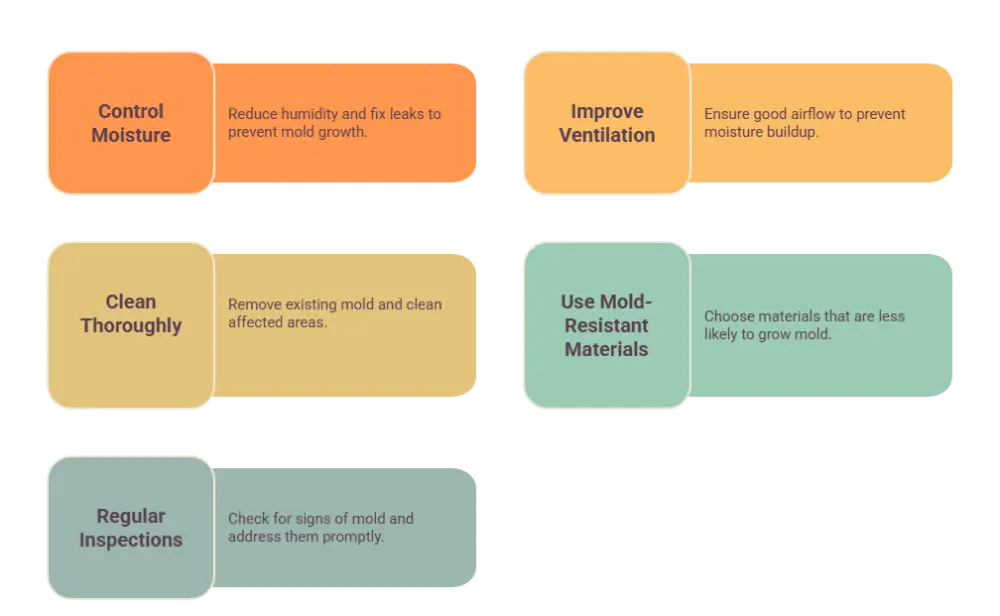
Once your bathroom is clean, the goal shifts to keeping it that way.
Build Regular Maintenance Habits
Wiping down surfaces, running the fan, and airing out the room should become part of your everyday routine rather than an occasional task. Consistency is what truly keeps mold from coming back.
Fix Leaks and Hidden Moisture Sources
A slow leak under the sink or around the toilet base can quietly feed mold growth for months without being noticed. Checking pipes, seals, and fixtures every few months helps catch these issues early before they turn into a bigger problem.
Choose Mold Resistant Materials
If you are renovating or updating your bathroom, mold resistant paint, grout, and shower curtains can add an extra layer of protection. These materials are designed to resist moisture buildup far better than standard options.
When to Call a Professional
Most bathroom mold can be managed with regular cleaning and prevention, but there are times when professional help is the safer choice. If mold covers a large area, keeps returning despite your best efforts, or you notice a strong musty smell without visible mold, it may be growing behind walls or under flooring. A professional inspection can identify hidden moisture problems and ensure the issue is fully resolved.
Final Thoughts
Learning how to stop bathroom mold comes down to controlling moisture, improving airflow, and staying consistent with small daily habits. With regular ventilation, quick surface drying, and occasional deep cleaning, you can keep your bathroom fresh, healthy, and mold free without constant scrubbing sessions.
Frequently Asked Questions
What causes mold to keep coming back in my bathroom?
Mold usually returns because moisture is not being fully removed after each use. Poor ventilation, damp towels, and hidden leaks are common reasons it keeps reappearing even after cleaning.
Is bathroom mold dangerous to breathe in?
Some types of mold can trigger allergies, coughing, or breathing irritation, especially for people with asthma or sensitivities. It is best to clean it promptly and improve airflow to reduce exposure.
Can vinegar really remove bathroom mold?
Yes, white vinegar is a mild acid that can kill many common mold species and is safe for regular use on tile and grout. For stubborn or widespread mold, a stronger commercial cleaner may work better.
How often should I clean my bathroom to prevent mold?
Wiping down wet surfaces after every shower and doing a deeper clean weekly is generally enough to prevent mold from forming in most bathrooms.
Does painting over mold get rid of it?
No, painting over mold does not remove it and can actually trap moisture underneath, allowing it to spread further. The mold needs to be properly cleaned and the surface dried before any new paint is applied.