Learning how to remove old stains from clothes can feel frustrating, especially when the stain has already dried and set deep into the fabric. The good news is that with the right method and a little patience, even months old stains can be lifted without damaging your clothes.
Why Old Stains Are Harder to Remove
How Stains Set Into Fabric
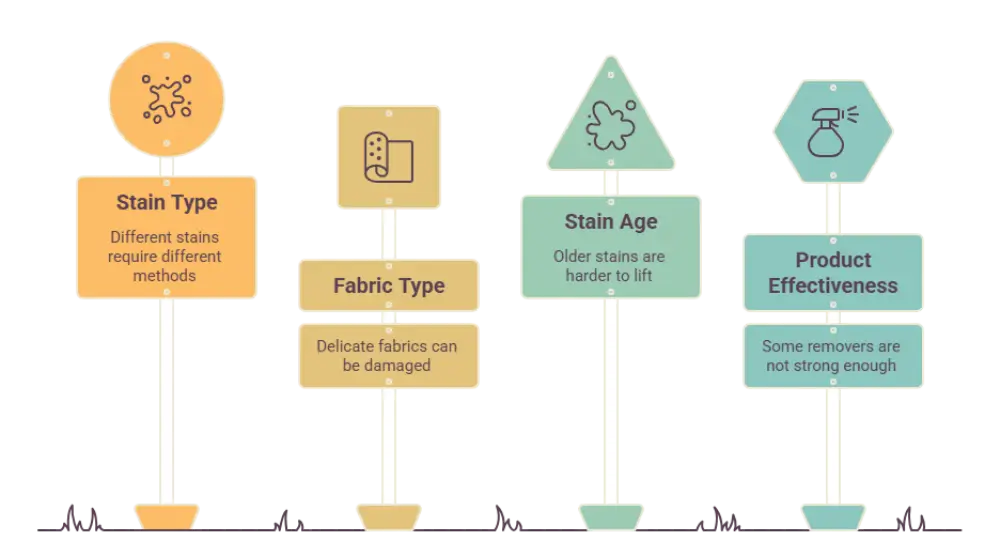
When a stain is fresh, the substance sits on top of the fibers. Over time, heat, air, and washing cause it to bond with the fabric threads. This is why old stains often need repeated treatment instead of a single wash.
Common Reasons Stains Become Permanent
Stains often become permanent when they are washed in hot water before being treated, or when they are dried in a machine dryer. Heat locks the stain molecules into the fabric, making removal much harder later.
Things to Check Before You Start
Read the Fabric Care Label
Every fabric reacts differently to cleaning agents. Always check the care label before applying any stain remover, since delicate fabrics like silk or wool may need gentler treatment.
Test in a Hidden Spot
Before treating the visible stain, apply your chosen solution to a hidden area such as the inside seam. This helps you confirm that the fabric color will not fade or change.
How to Remove Old Stains from Clothes at Home
Using Baking Soda and Vinegar
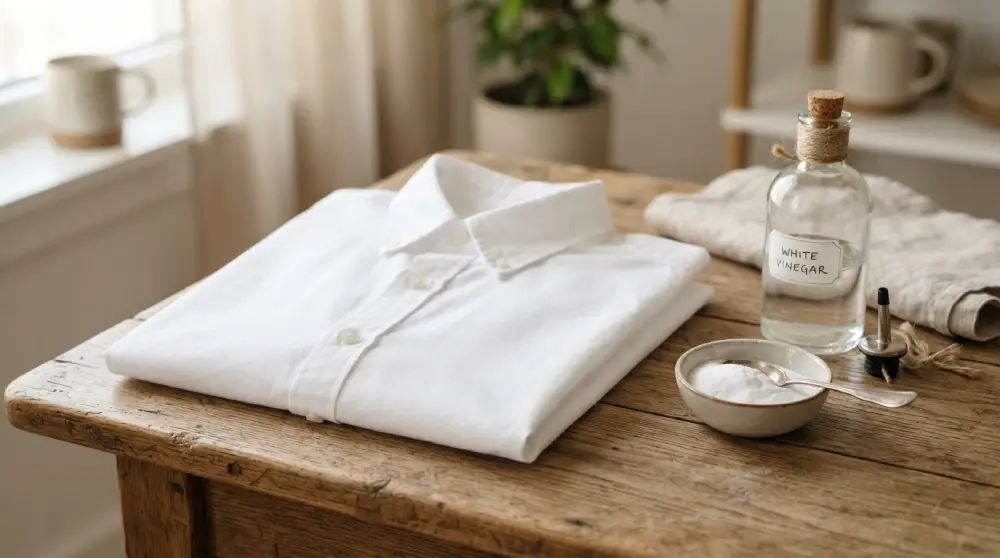
Baking soda and vinegar work well together to break down old, set in stains. Make a paste with baking soda and a small amount of water, apply it to the stain, then spray white vinegar over it and let it fizz for a few minutes before rinsing.
Using Dish Soap and Hydrogen Peroxide
Dish soap is excellent at cutting through grease and oil based stains. Mix it with a small amount of hydrogen peroxide, apply to the stain, and let it sit for around thirty minutes before washing as usual.
Using Lemon Juice and Sunlight
Lemon juice contains natural bleaching properties that work especially well on white fabrics. Apply fresh lemon juice to the stain and place the garment in direct sunlight for a few hours to help lift discoloration.
Using Enzyme Based Detergents
Enzyme based detergents are designed to break down organic matter such as food, sweat, and blood. Soak the stained garment in a solution of warm water and enzyme detergent for several hours before washing.
Removing Specific Types of Old Stains
Old Oil and Grease Stains
Apply a small amount of dish soap directly onto the oil stain and gently work it into the fabric with your fingers. Let it rest for fifteen minutes before rinsing with warm water.
Old Blood Stains
Soak the fabric in cold water mixed with a bit of salt, as cold water helps break down protein based stains like blood without setting them further. Hydrogen peroxide can also be dabbed directly on the spot for stubborn cases.
Old Sweat and Deodorant Stains
A mixture of baking soda and white vinegar helps neutralize old sweat stains and the odor that comes with them. Gently scrub the area with an old toothbrush before rinsing thoroughly.
Old Ink Stains
Rubbing alcohol is one of the most effective solutions for old ink stains. Dab the alcohol onto the stain using a cotton ball, working from the outside in to avoid spreading the ink further.
Old Grass and Mud Stains
Grass stains respond well to a mixture of vinegar and warm water. Let the fabric soak for about twenty minutes, then gently rub the stain before washing normally.
Tips to Prevent Stains From Becoming Permanent
Treat Stains Quickly
The sooner you treat a stain, the easier it is to remove. Even if you cannot do a full treatment right away, rinsing the area with cold water can prevent it from setting.
Avoid Heat Before the Stain Is Gone
Never place a stained garment in the dryer until you are certain the stain is fully removed. Heat can permanently bond the stain to the fibers, making future attempts far less effective.
When to Seek Professional Help
Some old stains, particularly those involving dyes, oil paints, or certain chemicals, may require professional cleaning. If home remedies do not work after a couple of attempts, taking the garment to a professional cleaner can help preserve the fabric while still removing the stain.
Conclusion
Removing old stains from clothes takes patience, but most stains can be treated successfully at home using simple household ingredients like baking soda, vinegar, dish soap, and lemon juice. By identifying the type of stain and using the right method, you can restore your favorite garments and keep them looking fresh for much longer.
Frequently Asked Questions
Can old stains really be removed from clothes?
Yes, most old stains can be removed with repeated treatment using household ingredients such as vinegar, baking soda, or enzyme based detergents, though some may require a few attempts.
Does hot water help remove old stains?
Hot water is not recommended for most old stains since it can set the stain permanently into the fabric. Cold or lukewarm water is generally safer for treatment.
What household item works best on old stains?
White vinegar and baking soda are among the most versatile household items for treating old stains, as they work on a wide range of fabric types and stain sources.
How long should I let a stain remover sit before washing?
Most stain treatments work best when left on the fabric for fifteen to thirty minutes, though tougher stains may benefit from a longer soak of several hours.
What should I do if a stain does not come out after multiple attempts?
If a stain remains after several treatments, it is best to take the garment to a professional cleaner who can use specialized techniques suited to the fabric and stain type.