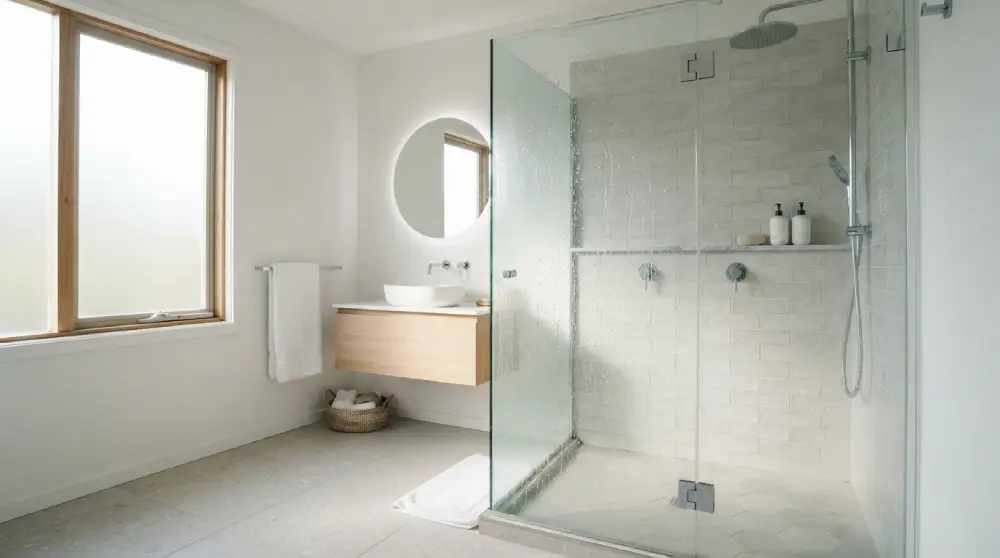
If you have ever stepped into your bathroom and noticed cloudy, chalky marks on your shower doors, you already know how frustrating hard water stains can be. Learning how to remove hard water stains from shower glass is one of the most searched cleaning problems, and the good news is that with the right approach, you can restore that clear, sparkling look without much hassle.
Hard water stains form when water containing high levels of calcium and magnesium evaporates on glass surfaces, leaving behind a mineral residue. Over time, this residue builds up and hardens, making your shower glass look dull, foggy, and dirty even right after cleaning. Fortunately, several effective methods can help you tackle this problem using items you likely already have at home.
Why Shower Glass Gets Hard Water Stains
Understanding the cause helps you prevent future buildup. Hard water contains dissolved minerals that do not evaporate along with the water. Every time your shower door gets wet and dries, a thin layer of mineral deposit stays behind. Repeated exposure causes this layer to thicken, forming the cloudy film we commonly call hard water stains.
Homes with hard water supply tend to experience this issue more frequently, especially in bathrooms with poor ventilation where water sits on glass surfaces longer before drying.
Things You Will Need
Before starting the cleaning process, gather a few simple supplies.
- White vinegar
- Baking soda
- A spray bottle
- Microfiber cloth or soft sponge
- Rubber gloves
- A squeegee
These household items are gentle yet powerful enough to dissolve mineral deposits without damaging the glass.
How to Remove Hard Water Stains from Shower Glass Using Vinegar
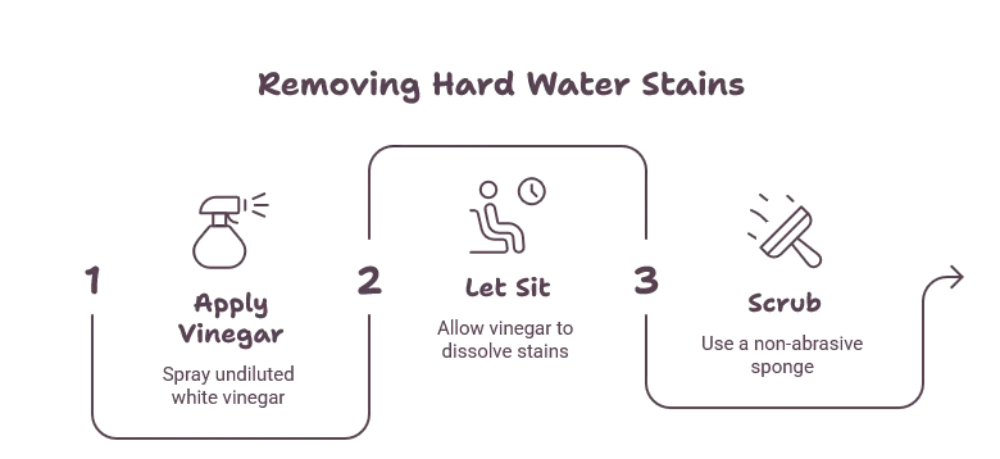
Vinegar is one of the most trusted natural solutions for hard water stains because its acidity breaks down mineral buildup effectively.
Prepare the Vinegar Solution
Fill a spray bottle with plain white vinegar. For lighter stains, you can dilute it with equal parts water, but stubborn stains respond better to undiluted vinegar.
Apply and Let It Sit
Spray the vinegar generously across the glass surface, focusing on areas with visible buildup. Allow it to sit for about fifteen to twenty minutes so the acid has time to soften the mineral deposits.
Scrub Gently
Using a soft sponge or microfiber cloth, scrub the glass in circular motions. Avoid abrasive scrubbers, as they can scratch the surface and make future buildup stick more easily.
Rinse and Dry
Rinse the glass thoroughly with warm water and dry it with a clean cloth or squeegee to prevent new spots from forming.
Using Baking Soda for Tougher Stains
For stains that vinegar alone cannot fully remove, baking soda adds gentle abrasive power.
Make a Paste
Mix baking soda with a small amount of water until it forms a thick paste.
Apply to Stained Areas
Spread the paste directly onto the hard water marks and let it sit for ten minutes.
Scrub and Rinse
Gently scrub with a soft cloth, then rinse well. The combination of baking soda’s texture and vinegar’s acidity works exceptionally well when used together, since the reaction helps lift stubborn residue from the glass.
Natural Alternatives That Work Well
If you prefer other household options, these alternatives also help dissolve hard water stains effectively.
Lemon Juice
Lemon juice contains citric acid, which breaks down mineral deposits similarly to vinegar. Rub a cut lemon directly on the glass or apply fresh juice with a cloth.
Dish Soap and Water
A strong dish soap solution can cut through light residue and grease combined with mineral buildup, making it easier to remove.
Commercial Glass Cleaners
There are cleaning products specifically designed for mineral stain removal. These can be helpful for very heavy buildup, though natural methods are usually enough for regular maintenance.
Preventing Future Hard Water Stains
Once your shower glass is clean, prevention becomes the key to keeping it that way.
Use a Squeegee After Every Shower
Wiping down the glass after each use prevents water from sitting long enough to leave mineral deposits.
Apply a Water Repellent Coating
Specialized glass coatings create a protective layer that helps water slide off instead of drying on the surface.
Improve Bathroom Ventilation
Better airflow helps water evaporate faster and reduces the chance of mineral buildup forming.
Clean Regularly
A quick wipe with vinegar solution once or twice a week prevents stains from accumulating in the first place.
Common Mistakes to Avoid
Many people unintentionally make hard water stains worse. Avoid using abrasive pads, since they scratch glass and create tiny grooves where minerals settle more easily. Avoid mixing random chemical cleaners together, as this can create harmful fumes. Also avoid letting the vinegar dry completely on the glass without rinsing, since this can leave a hazy film of its own.
Conclusion
Removing hard water stains from shower glass does not require expensive treatments or professional help. With natural ingredients like vinegar, baking soda, and lemon juice, you can dissolve mineral buildup and restore clarity to your shower doors. Pairing regular cleaning with simple prevention habits, such as squeegeeing after every shower and improving ventilation, will keep your glass looking fresh and streak free for much longer.
FAQs
What causes hard water stains on shower glass?
Hard water stains form when water containing calcium and magnesium minerals dries on the glass, leaving behind a chalky residue that builds up over time.
Does vinegar really remove hard water stains from shower glass?
Yes, white vinegar is highly effective because its acidity breaks down mineral deposits, making them easy to wipe away with a soft cloth.
How often should I clean my shower glass to prevent stains?
Cleaning your shower glass once or twice a week with a vinegar solution helps prevent mineral buildup from forming.
Can baking soda damage shower glass?
No, baking soda is gentle enough for glass when used as a paste and does not scratch the surface if applied with a soft cloth or sponge.
What is the best way to prevent hard water stains long term?
Using a squeegee after every shower, improving bathroom ventilation, and applying a water repellent coating are the best long term prevention methods.