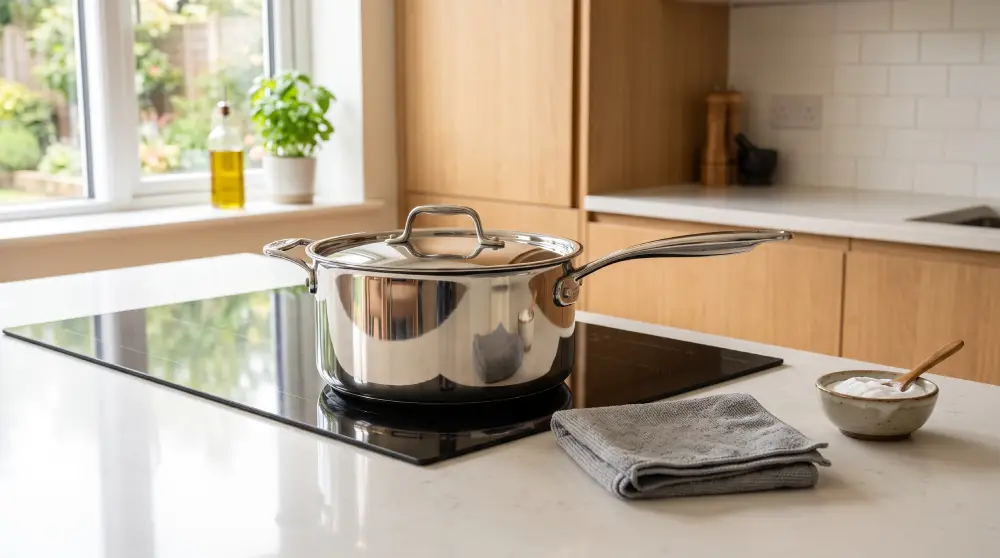
Few kitchen mishaps are more frustrating than discovering a scorched, blackened layer stuck to the bottom of your favorite stainless steel pot. Whether you stepped away while simmering a sauce or accidentally let rice cook a little too long, burnt residue can make even the sturdiest cookware look ruined beyond repair. The good news is that learning how to clean burnt stainless steel pots does not require harsh chemicals, expensive products, or hours of aggressive scrubbing. With the right techniques and a few common household ingredients, you can restore your pots to their original shine without damaging the metal surface. This guide walks you through several proven methods for how to clean burnt stainless steel pots, along with tips to prevent burning in the future and keep your cookware looking like new for years to come.
- Why Stainless Steel Pots Burn and Why Proper Cleaning Matters
- What You Will Need Before You Start
- How to Clean Burnt Stainless Steel Pots With the Baking Soda Boil Method
- How to Clean Burnt Stainless Steel Pots With Vinegar and Baking Soda Combined
- How to Clean Burnt Stainless Steel Pots With a Salt and Lemon Scrub
- How to Clean Burnt Stainless Steel Pots With Dish Soap and an Overnight Soak
- How to Clean Burnt Stainless Steel Pots With a Commercial-Free Steel Wool Alternative
- Tips for Preventing Burnt Stainless Steel Pots in the Future
- Maintaining the Shine of Your Stainless Steel Pots Long Term
- Frequently Asked Questions
Why Stainless Steel Pots Burn and Why Proper Cleaning Matters
Stainless steel is a popular choice for cookware because of its durability, even heating, and resistance to rust and staining. However, it is also prone to scorching when food is left unattended at high heat or when sugar-based and starchy foods like rice, pasta, and sauces stick to the bottom and caramelize into a hard, dark layer.
Understanding how to clean burnt stainless steel pots properly is important not just for appearance but also for the longevity of your cookware. If burnt residue is left untreated, it can become increasingly difficult to remove over time and may even affect how evenly the pot heats in the future. Using overly abrasive tools like steel wool or harsh chemical oven cleaners can scratch the surface, dull the finish, or strip away the protective layer that keeps stainless steel resistant to corrosion.
The goal when learning how to clean burnt stainless steel pots is to lift the burnt residue effectively while preserving the integrity and shine of the metal. Gentle, targeted methods consistently outperform aggressive scrubbing.
What You Will Need Before You Start
Before diving into the cleaning process, gather a few simple supplies. Most of these are likely already in your kitchen pantry. You will need baking soda, white vinegar, water, a non-abrasive sponge or soft scrub brush, a wooden or silicone spatula, and a microfiber cloth for the final polish. Dish soap is also helpful for the initial soak.
Having these items ready before you begin makes the entire process smoother and ensures you are not interrupting your cleaning session to search for ingredients.
How to Clean Burnt Stainless Steel Pots With the Baking Soda Boil Method
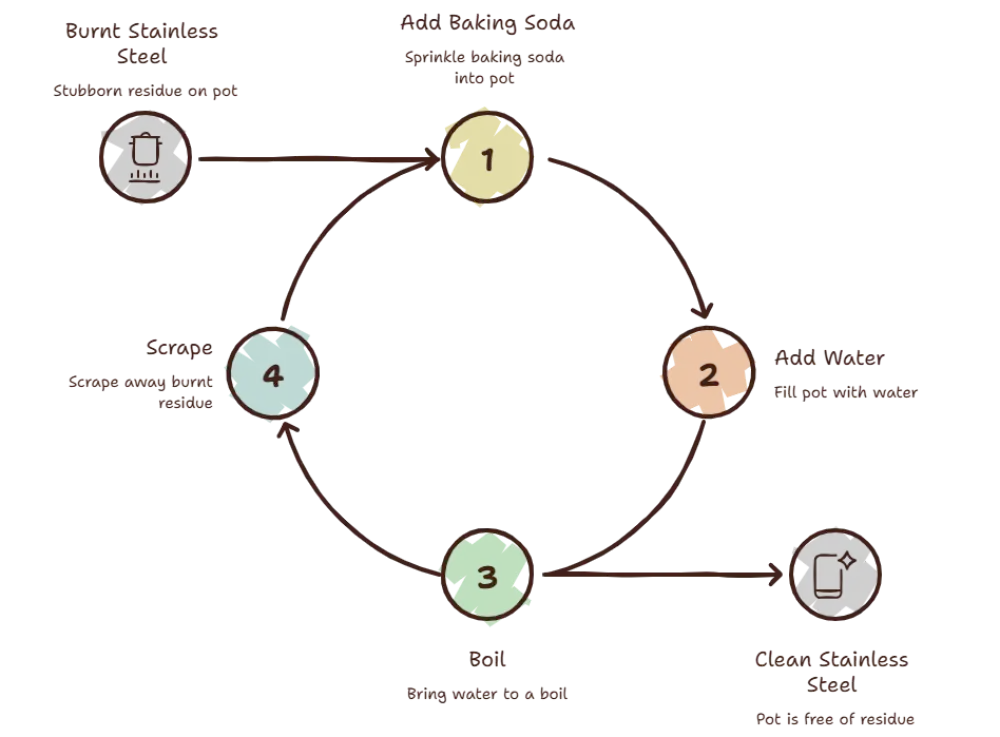
This is widely considered the most effective and gentlest approach for how to clean burnt stainless steel pots, and it works for even severely burnt residue.
Step One
Fill the burnt pot with enough water to cover the scorched area completely, typically about an inch above the burnt residue. Place the pot on the stove over medium heat.
Step Two
Once the water begins to simmer, add two to three tablespoons of baking soda. You will notice a gentle fizzing reaction as the baking soda interacts with the water and begins loosening the burnt layer. Allow the mixture to simmer for 10 to 15 minutes.
Step Three
Remove the pot from the heat and allow it to cool slightly until it is safe to handle. Using a wooden or silicone spatula, gently scrape the bottom of the pot. The burnt layer should begin lifting away with minimal resistance. Avoid using metal utensils, as they can scratch the stainless steel surface.
Step Four
Once the majority of the burnt residue has lifted, pour out the water and wash the pot as usual with warm soapy water and a non-abrasive sponge. Dry thoroughly with a microfiber cloth and polish in circular motions to restore the natural shine of the stainless steel.
The baking soda boil method works because the alkaline properties of baking soda break down the carbonized food particles bonded to the metal, allowing them to lift away without aggressive scrubbing.
How to Clean Burnt Stainless Steel Pots With Vinegar and Baking Soda Combined
For particularly stubborn burnt spots that do not fully release after the baking soda boil method, combining vinegar with baking soda adds extra cleaning power.
Start by pouring enough white vinegar into the pot to cover the burnt area. Heat the vinegar over medium heat until it begins to simmer, then remove the pot from heat. Sprinkle two tablespoons of baking soda directly into the warm vinegar. The combination will fizz vigorously as the acid and base react together.
Allow the mixture to sit and continue working for about 10 minutes. The fizzing reaction helps lift carbonized particles from the surface more aggressively than either ingredient alone. Once the fizzing subsides, use a soft sponge or non-abrasive scrub brush to gently work the loosened residue free. Rinse thoroughly and wash with dish soap to remove any remaining vinegar smell.
This combined method is particularly effective for pots that have been burnt for an extended period or where the residue has had time to harden significantly.
How to Clean Burnt Stainless Steel Pots With a Salt and Lemon Scrub
If your stainless steel pot also has stubborn discoloration along with the burnt residue, a salt and lemon scrub addresses both issues simultaneously.
Cut a lemon in half and dip the cut side into coarse salt. Use the lemon half to scrub directly over the burnt and discolored areas of the pot. The natural acidity of the lemon combined with the gentle abrasiveness of the salt works to lift residue while also brightening dulled stainless steel. Apply moderate pressure and work in circular motions, reapplying salt to the lemon as needed.
This method works best on lighter scorching rather than severely burnt layers, but it is excellent for restoring shine and removing minor discoloration after using one of the other methods to remove the bulk of the burnt residue.
How to Clean Burnt Stainless Steel Pots With Dish Soap and an Overnight Soak
For pots with mild to moderate burning, sometimes a simple soak is all that is needed. Fill the pot with hot water and add a generous squeeze of dish soap. Allow the pot to soak overnight or for a minimum of six to eight hours.
The extended soaking time allows the water and soap to penetrate and soften the burnt layer significantly. In the morning, the residue will often wipe away with minimal scrubbing using a non-abrasive sponge. This method requires the least active effort but does require patience, making it ideal for situations where you are not in a rush to use the pot again immediately.
Soaking is one of the gentlest methods for how to clean burnt stainless steel pots and is particularly useful for preserving the protective finish on higher-end cookware.
How to Clean Burnt Stainless Steel Pots With a Commercial-Free Steel Wool Alternative
While steel wool is often the first tool people reach for, it can permanently scratch and dull stainless steel surfaces. A safer alternative is a non-scratch nylon scrub pad or a dedicated stainless steel scrubbing sponge designed specifically for this type of cookware.
After using one of the soaking or boiling methods above to loosen the burnt residue, follow up with a nylon scrub pad and a small amount of baking soda for any remaining stubborn spots. Always scrub in the direction of the grain of the stainless steel, which you can usually see as faint linear marks on the surface. Scrubbing against the grain can create visible scratches over time, even with non-abrasive tools.
Tips for Preventing Burnt Stainless Steel Pots in the Future
Once you have successfully restored your pot, a few preventive habits can help you avoid repeating the process in the future.
Always preheat your pot on low to medium heat before adding oil or food, since stainless steel distributes heat more evenly when given time to warm gradually. Avoid cooking on high heat for extended periods, particularly with sugar-based sauces, dairy, or starchy foods like rice and pasta, which are especially prone to scorching. Stir frequently when cooking dishes that have a higher risk of sticking, and use an appropriate amount of liquid or oil to prevent food from adhering directly to the metal surface.
Cleaning your stainless steel pots promptly after each use, even when there is no visible burning, also prevents residue from building up over multiple cooking sessions, which can eventually lead to more stubborn scorching.
Prevention is always easier than restoration. A few small adjustments to cooking habits can dramatically reduce how often you need to revisit how to clean burnt stainless steel pots in the first place.
Maintaining the Shine of Your Stainless Steel Pots Long Term
Beyond addressing burnt residue, keeping your stainless steel cookware looking its best involves a few simple ongoing habits. Dry your pots thoroughly after washing rather than allowing them to air dry, as water spots and mineral deposits can dull the finish over time. Periodically polish your pots with a small amount of olive oil or a dedicated stainless steel polish applied with a soft cloth to restore shine and create a light protective layer.
Avoid placing stainless steel pots directly into a dishwasher if you want to preserve their shine over the long term, as harsh detergents and high heat cycles can gradually dull the surface. Hand washing with mild dish soap and warm water remains the gentlest and most effective long-term care method.
When you do need to address burnt residue again in the future, returning to the gentle methods outlined above, particularly the baking soda boil method, will consistently deliver the best results without compromising the integrity of your cookware.
Frequently Asked Questions
What is the fastest way to clean burnt stainless steel pots?
The baking soda boil method is generally the fastest effective approach. Simmering water with baking soda for 10 to 15 minutes loosens most burnt residue quickly, allowing it to be gently scraped away with a wooden or silicone spatula. For especially stubborn burning, combining vinegar and baking soda speeds up the process further due to the fizzing chemical reaction that helps break down carbonized particles more aggressively.
Is it safe to use steel wool when learning how to clean burnt stainless steel pots?
Steel wool is not recommended for stainless steel pots because it can scratch and permanently dull the protective surface finish. Instead, use a non-abrasive sponge, a nylon scrub pad, or a stainless steel specific scrubbing pad. These tools are firm enough to remove stubborn residue while being gentle enough to protect the metal from scratching.
Why does my stainless steel pot get discolored even after removing the burnt residue?
Discoloration after removing burnt residue is often caused by heat stress on the metal, sometimes appearing as a blue, rainbow, or cloudy tint. This typically occurs when a pot is heated at very high temperatures, especially when empty or with minimal liquid. A salt and lemon scrub can help reduce mild discoloration. For more persistent heat staining, a dedicated stainless steel cleaner applied with a soft cloth, used in the direction of the grain, often restores much of the original shine.
Can I use bleach or harsh chemical cleaners on burnt stainless steel pots?
It is best to avoid bleach and harsh chemical oven cleaners on stainless steel cookware. These products can react with the metal, cause pitting, or strip away the protective chromium oxide layer that gives stainless steel its corrosion resistance. Natural methods using baking soda, vinegar, and dish soap are not only safer for the cookware but are also highly effective at removing burnt residue without any risk of damaging the surface.
How often should I deep clean my stainless steel pots to prevent burning issues?
There is no strict schedule, but addressing any scorching as soon as you notice it prevents the residue from hardening further and becoming more difficult to remove. For pots used frequently for high-heat cooking, a quick baking soda scrub once every week or two, even without visible burning, helps maintain the surface and prevents gradual buildup that can eventually lead to more stubborn burnt layers.