You’ve invested in your home, and that includes the comfort and aesthetic of your carpets. While keeping them vacuumed is a good start, you’re likely wondering about more profound cleaning methods to truly restore their vibrancy and address stubborn issues. This is where advanced carpet cleaning comes in – a realm of specialized techniques designed to tackle everything from ingrained dirt and tough stains to allergens and odors. Stepping beyond the everyday, these methods require specific knowledge, equipment, and solutions to achieve results that a standard vacuum can only dream of.
You might assume all carpet cleaning is the same, but that’s far from the truth. The fibers, construction, and condition of your carpet all play a role in determining the most effective approach. What works wonders on a low-pile synthetic might damage a delicate wool rug. Understanding these nuances is the first step in appreciating the power of advanced cleaning. You’re not just looking to remove surface dirt; you’re aiming to revitalize, sanitize, and prolong the life of your carpet. This journey into advanced carpet cleaning will equip you with the knowledge to understand what professionals do, or what you might even consider attempting yourself with the right preparation and caution. You’ll learn about the science behind stain removal, the importance of proper drying, and how specialized treatments can transform your living space.
Before even thinking about tools and chemicals, you need to understand what your carpet is made of. This is perhaps the most crucial element of advanced carpet cleaning, as improper treatment can lead to irreparable damage. Different fibers have unique properties, dictating how they absorb water, react to chemicals, and withstand agitation. Treating them all the same is a recipe for disaster, so developing an awareness of these distinctions is paramount.
Natural Fibers: Delicate but Durable
Natural fibers offer a luxurious feel and unique aesthetic, but they also come with specific cleaning requirements. Their organic nature makes them susceptible to certain harsh chemicals and excessive moisture.
Wool Carpets: The King of Natural Fibers
Wool is renowned for its resilience, natural stain resistance, and inherent fire-retardant properties. However, it’s also sensitive to high heat and alkaline cleaning solutions.
Heat Sensitivity
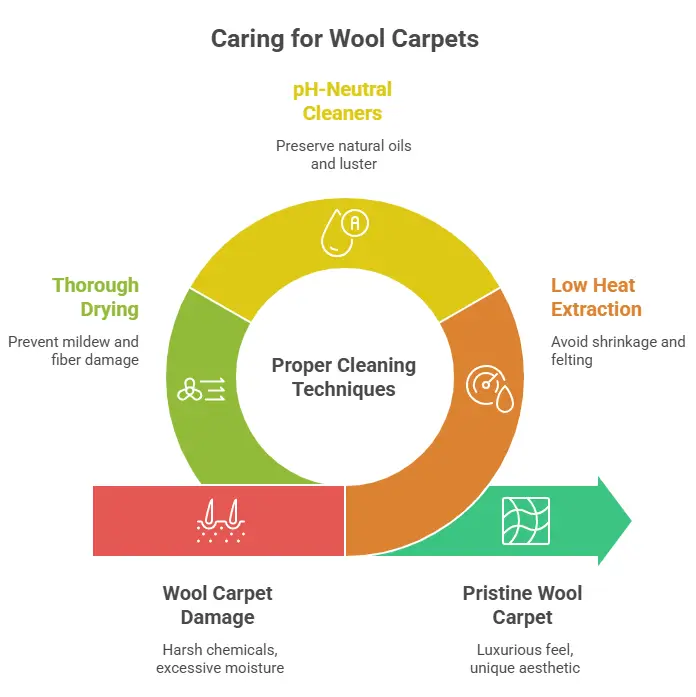
You must be extremely cautious with hot water extraction on wool. Excessive heat can cause shrinkage and felting, permanently altering the texture of the carpet. Professionals often use lower water temperatures and ensure minimal dwell time for the solution.
Alkaline vs. pH-Neutral Solutions
Harsh alkaline cleaners, commonly found in some general carpet cleaning formulations, can strip wool of its natural oils, leading to brittleness and color loss. It’s vital to use pH-neutral or slightly acidic cleaning solutions specifically formulated for wool. This preserves the integrity of the fibers and their natural luster.
Thorough Drying is Essential
Wool is absorbent. Inadequate drying can lead to mildew and mold growth, as well as potential fiber damage. Advanced techniques often involve powerful air movers and dehumidifiers to ensure rapid and complete drying, minimizing the risk of secondary issues.
Other Natural Fibers: Silk, Cotton, and Jute
While less common for wall-to-wall carpeting, these fibers are frequently found in area rugs and can present their own unique challenges.
Silk: The Epitome of Luxury and Sensitivity
Silk carpets are exceptionally delicate. They require the gentlest of cleaning methods, often involving dry cleaning or specialized low-moisture techniques. Water can cause spotting, color bleeding, and fiber damage. Professionals use very controlled amounts of specialized cleaning agents and avoid over-wetting at all costs.
Cotton: Prone to Stains and Shrinkage
Cotton carpets are soft and comfortable but can be highly absorbent and prone to staining. They are also susceptible to shrinkage with excessive heat and agitation. Spot cleaning needs to be approached with care, and deep cleaning often involves very low moisture content to prevent damage.
Jute and Sisal: Natural Textures, Natural Precautions
These coir-based fibers offer a rustic charm but are very sensitive to moisture. Excessive water can cause them to swell, warp, and develop a musty odor. Dry cleaning methods or very light, controlled misting with specialized solutions are preferred.
Synthetic Fibers: More Resilient but Still Require Care
Synthetic fibers like nylon, polyester, and olefin (polypropylene) are generally more durable and resistant to stains and wear than natural fibers. However, even these materials can benefit from and require advanced cleaning techniques to maintain their appearance and longevity.
Nylon: The Workhorse of Carpeting
Nylon is incredibly strong, resilient, and resistant to abrasion. It’s a popular choice for high-traffic areas.
Stain Resistance and Treatment
While nylon is inherently somewhat stain-resistant, stubborn stains can still occur. Advanced cleaning involves identifying the type of stain and using appropriate chemical treatments. For example, some food-based stains might respond to oxidizing agents, while others require solvent-based cleaners.
Avoiding Over-Wetting and Residue
Even nylon can be damaged by excessive moisture, leading to wicking (stains reappearing) and potential delamination. Importantly, improper rinsing can leave behind detergent residue, which attracts dirt and reduces the carpet’s clean appearance much faster. Advanced techniques focus on thorough rinsing and extraction to remove all cleaning agents.
Polyester: Softness and Stain Repellency
Polyester offers a soft feel and good stain resistance, especially when treated with stain-repellent finishes.
Olefin Inhibition of Certain Cleaners
Olefin (polypropylene) is highly resistant to staining and fading, making it ideal for outdoor or very high-traffic indoor areas. However, its oleophilic nature means it attracts oily soils more readily, and it will not respond well to certain solvent-based cleaners. It also has a low melting point, so heat must be used with extreme caution.
The Importance of Specific Formulations
Understanding that different synthetic fibers react differently to cleaning solutions is key. What works for nylon might be ineffective or even damaging for olefin. Advanced cleaning involves selecting formulations specifically designed for the particular synthetic fiber, ensuring optimal results without compromising the material.
Advanced Stain Removal Techniques: Beyond the Spot Gun
Stains are an inevitable part of carpet ownership. While a quick blot might handle a fresh spill, ingrained or complex stains require specialized knowledge and techniques to remove effectively without causing damage or leaving behind a watermark. Advanced stain removal goes beyond general spot cleaning and delves into understanding the chemistry of stains and the properties of different carpet fibers.
Identifying the Stain Type: The First Crucial Step
Before you can attack a stain, you need to know what you’re dealing with. Different types of stains require different chemical approaches.
Water-Soluble Stains: Easy Wins with the Right Approach
These are some of the more straightforward stains to tackle, but even they can be tricky if not handled correctly.
Sugary Drinks and Food Colorings
Stains from sodas, juices, and food colorings can often be removed with water-based solutions and gentle agitation. The key is to work from the outside of the stain inward to prevent spreading.
Latex Paint and Water-Based Inks
These can also respond well to water-based cleaners. However, for dried latex paint, a more targeted approach might be needed.
Oil-Based Stains: The Slippery Slope
Grease, oil, and certain types of makeup are notoriously difficult to remove.
Petrochemical Products and Cooking Oils
These stains penetrate fibers easily and resist water-based cleaners. Specialized solvents are often required to break down the oily residue.
Wax and Crayon Marks
These require a careful combination of heat and absorption techniques. Applying a brown paper bag or absorbent cloth and then gently heating with an iron (on a low setting, with a protective cloth) can help lift the wax.
Protein-Based Stains: The Enzymatic Solution
Bodily fluids, food products, and dairy stains fall into this category. These can be particularly challenging as they can set and become more difficult to remove with heat.
Blood, Vomit, and Pet Accidents
Enzymatic cleaners are often the go-to for these stains. Enzymes break down the organic matter, effectively “digesting” the stain and its associated odor. It’s crucial to let these cleaners work for the recommended time to be effective.
Avoid Hot Water Initially
Applying hot water to protein stains can actually “cook” them into the fibers, making them significantly harder to remove. Cold or lukewarm water is generally preferred for initial treatment.
Combination Stains: The Toughest Challenges
Many everyday spills are a mix of water-soluble and oil-based components, making them particularly difficult to treat.
Ketchup, Mustard, and Mud
These often contain pigments, oils, and water-soluble components. A multi-step approach, addressing each component of the stain, is usually necessary.
Cosmetic Stains
Makeup often contains a blend of oils, pigments, and waxes, requiring a nuanced approach.
Specialized Cleaning Agents and Their Applications
The tools of advanced stain removal are not your average household cleaners. These are carefully formulated products designed for specific purposes.
Solvent-Based Cleaners: Dissolving the Stubborn
Solvents are designed to break down and dissolve oil-based substances.
Dry Cleaning Solvents
These are particularly effective for grease, ink, and tar. It’s vital to ensure good ventilation when using these as they can have strong fumes.
Specific Spotting Agents
Professionals have a range of solvent-based spotters for different types of oil and solvent-soluble stains. These are applied with precision to target the stain without spreading.
Oxidizing Agents: Tackling Color and Odor
Oxidizing agents, like hydrogen peroxide or specialized oxygen bleaches, work by chemically altering the stain molecules, often breaking them down into colorless or less visible compounds.
Food Dyes and Pet Stains
These are excellent for tackling colored stains and also have a deodorizing effect, making them useful for pet accidents.
Caution with Sensitive Dyes
While effective, oxidizing agents can potentially lighten or damage some carpet dyes. A patch test in an inconspicuous area is always recommended.
Enzymatic Cleaners: The Biological Breakdown
As mentioned earlier, enzymes are biological catalysts that accelerate chemical reactions. In cleaning, they break down organic molecules.
Pet Stains and Eliminating Odors
This is where enzymes truly shine. They don’t just mask odors; they break down the source of the odor-causing molecules, providing a comprehensive solution.
Effective on Organic Contaminants
Think beyond pets; food spills, bodily fluids, and even mold and mildew can be addressed with enzymatic cleaners.
Advanced Application and Removal Techniques
It’s not just about what you use, but how you use it. Precision and control are key.
Dabbing vs. Scrubbing: The Art of Gentle Pressure
Aggressive scrubbing can spread a stain, distort carpet fibers, and even cause permanent damage.
Working from the Outside In
This technique prevents the stain from spreading outwards and creating a larger problem.
Using Absorbent White Cloths
These allow you to see the stain transferring from the carpet, indicating progress.
Micro-Tool Application: Precision Where It Matters
For intricate stains or delicate fibers, specialized tools are invaluable.
Syringe-Tip Applicators
These allow for precise application of cleaning solutions directly onto the stain, minimizing waste and contact with surrounding areas.
Small Brushes and Squeegees
These can be used for gentle agitation or to manipulate the stain and cleaning solution.
Rinse and Extract: Removing the Residue
After treating a stain, it’s crucial to thoroughly rinse and extract the cleaning solution and the dissolved stain. Leaving residue can attract more dirt and lead to resoiling. Hot water extraction machines, when used properly, are excellent for this step.
Deep Cleaning Methods: Beyond the Surface
While vacuuming handles surface debris and spot cleaning addresses isolated incidents, deep cleaning techniques are designed to penetrate the entire carpet structure, removing embedded dirt, microscopic allergens, and ingrained grime that vacuuming simply can’t reach. These methods are essential for maintaining a hygienic and healthy living environment.
Hot Water Extraction (Steam Cleaning): The Industry Standard
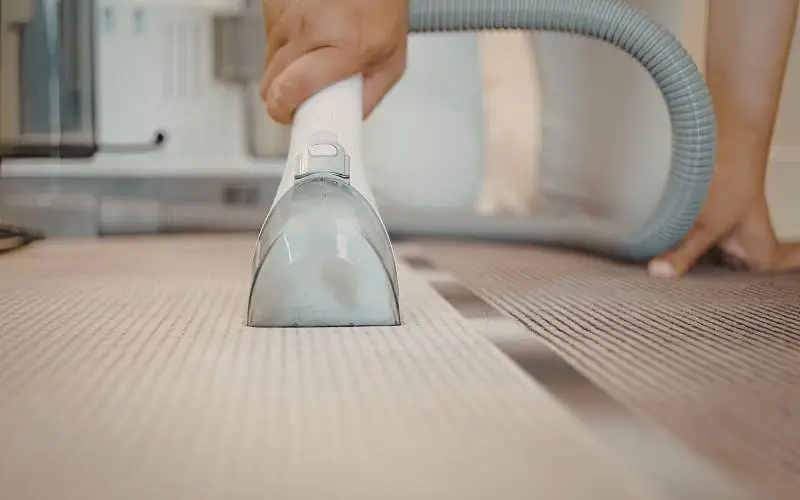
This is the most common and effective deep cleaning method for residential and commercial carpets. It involves injecting hot water and cleaning solution deep into the carpet fibers under pressure, then immediately extracting the dirty water with a powerful vacuum.
The Power of Heat and Pressure
Hot water helps to break down oils and greases. The high pressure from the sprayers forces the solution into the carpet pile, dislodging embedded dirt.
Understanding the “Extraction” Component
This is arguably the most critical part of the process. A powerful vacuum ensures that the majority of the water, cleaning solution, and loosened grime is removed. Inadequate extraction leaves behind moisture and residue, leading to problems.
Specialized Cleaning Solutions
The effectiveness of hot water extraction is significantly enhanced by the use of appropriate cleaning solutions.
Pre-Sprays and Traffic Lane Cleaners
These are applied to heavily soiled areas before the main cleaning process, allowing them to break down dirt and grease, making the subsequent extraction more efficient.
Rinse Agents and Conditioners
After cleaning, a rinse agent can help to neutralize any remaining detergent residue and restore the pH balance of the carpet fibers, leaving them feeling softer and less prone to attracting dirt.
The Importance of Drying Time
Proper drying is crucial to prevent mold, mildew, and potential fiber damage.
Air Movers and Dehumidifiers
Advanced cleaning services utilize powerful air movers (fans) and sometimes dehumidifiers to speed up the drying process, especially in humid environments or when large areas have been cleaned.
Adequate Ventilation
Ensuring good airflow in the home during and after cleaning significantly aids the drying process.
Dry Carpet Cleaning: Low Moisture, Quick Results
For certain carpet types or situations where moisture is a concern, dry cleaning methods offer an excellent alternative. These methods use minimal water, relying on absorbent cleaning compounds or specialized encapsulation technologies.
Absorbent Powder Cleaning: “Dry” in Principle
This method involves spreading a granular absorbent compound over the carpet. The compound is designed to attract and absorb dirt and oils.
How It Works
The powder is worked into the carpet fibers with brushes, allowing it to penetrate and encapsulate the soil. After a specified dwell time, the powder and absorbed dirt are thoroughly vacuumed away.
Benefits for Sensitive Fibers
This method is ideal for wool, silk, and other natural fibers that are sensitive to moisture, as well as for carpets in flood-prone areas or spaces where immediate use is required.
Encapsulation Cleaning: Trapping the Dirt
Encapsulation uses a cleaning solution that crystallizes around dirt particles as it dries.
The “Dirt-Trapping” Mechanism
The crystalline structure forms a microscopic shield around the soil. When the carpet is vacuumed, the dirt encapsulated within these crystals is easily removed.
Benefits for Commercial Settings and High-Traffic Areas
This method is highly effective for maintaining cleanliness in commercial environments with frequent foot traffic. It can loosen and remove soil effectively, preventing it from becoming deeply embedded.
Bonnet Cleaning: Surface Cleaning with a Rotary Approach
Bonnet cleaning involves using a rotary floor machine with a cleaning pad (bonnet) that has been saturated with a cleaning solution.
The Mechanical Action of the Bonnet
As the machine rotates, the bonnet absorbs dirt from the surface of the carpet fibers. It’s a good method for light surface cleaning and maintenance.
Limitations and Potential Issues
While it can improve the appearance, bonnet cleaning doesn’t clean as deeply as hot water extraction. It also has the potential to push dirt further into the carpet if not performed correctly or if the bonnet becomes saturated with dirt. It can also lead to fiber distortion if the machine is too heavy or the technique is aggressive.
Odor Removal and Deodorization: Tackling Unseen Problems
Beyond visible stains and embedded dirt, carpets can harbor unpleasant odors that diminish the freshness and comfort of your home. Advanced odor removal techniques go beyond simply masking smells and aim to neutralize or eliminate the source of the odor.
Identifying the Source of Odors
Effective odor removal begins with understanding what is causing the smell.
Pet Accidents: The Most Common Culprit
Urine, feces, and vomit from pets can penetrate deep into carpet padding and subflooring, creating persistent and challenging odors.
The Importance of the Padding
Pet urine, in particular, can seep through the carpet backing and into the padding. Addressing the odor requires tackling both the carpet and the padding.
Mold and Mildew: Moisture-Related Odors
Spills, leaks, or high humidity can lead to mold and mildew growth within the carpet fibers and backing, producing a distinctive musty smell.
Underlying Moisture Issues Need Addressing
Simply deodorizing a moldy carpet is a temporary fix. The underlying moisture problem needs to be identified and resolved to prevent recurrence.
Smoke and Fire Damage: Lingering Scents
Smoke from fires, whether from a fireplace or a more serious incident, can leave a pervasive and difficult-to-remove odor.
Penetrating Smoke Particles
Smoke particles are incredibly fine and can penetrate deep into carpet fibers, padding, and even furniture.
General Grime and Spills: Everyday Culprits
Even everyday spills and accumulated dirt can contribute to a stale or unpleasant carpet odor over time.
Advanced Deodorization Techniques
Once the source is identified, specialized treatments are employed.
Enzymatic Cleaners: The Chemical Digesters
As discussed under stain removal, enzymatic cleaners are incredibly effective at breaking down the organic molecules that cause many types of odors.
Targeting Specific Odor-Causing Compounds
Different enzymes are formulated to target specific compounds, making them highly effective for pet odors, food spills, and other organic contaminants.
Ozone Treatment: The Powerful Oxidizer
Ozone generators produce ozone gas, a powerful oxidizing agent that can neutralize many odor-causing compounds.
How It Works
Ozone molecules break down odor-causing molecules through oxidation. This process can be very effective for deeply embedded odors like smoke and mildew.
Safety Precautions
Ozone gas can be harmful to living beings and some materials. Ozone treatments require the area to be completely vacated, and thorough ventilation is necessary afterward.
Thermal Fogging: Breaking Down Odor Molecules
Thermal fogging involves the use of a specialized machine to vaporize a deodorizing solution at a high temperature.
Creating a Fine Mist
The heat breaks down the deodorizing solution into a very fine mist that can penetrate deeply into carpet fibers and reach hidden odor sources.
Effective for Smoke and Heavy Odors
This technique is often used for severe odor problems, such as those caused by smoke or extensive pet contamination, as the fog can reach areas that other treatments might miss.
Activated Charcoal and Other Absorbers
While not a “treatment” in the same sense, materials like activated charcoal are excellent at absorbing odors from the air.
Passive Odor Control
Placing activated charcoal pouches in affected areas can help to gradually absorb lingering smells.
Protecting Your Investment: Advanced Carpet Maintenance and Prevention
| Technique | Description |
|---|---|
| Hot Water Extraction | This method involves spraying hot water onto the carpet and then extracting it along with the dirt and debris. |
| Dry Cleaning | Uses specialized cleaning powders or foams to clean the carpet without using water. |
| Bonnet Cleaning | Involves a rotating brush that absorbs dirt from the carpet’s surface. |
| Encapsulation | Uses synthetic detergents that crystallize into a powder to encapsulate dirt for easy removal. |
Advanced cleaning isn’t just about fixing problems; it’s also about preventing them and preserving the lifespan and beauty of your carpets. Implementing proactive maintenance strategies can significantly reduce the frequency and intensity of deep cleaning needs.
Professional Carpet Protection Treatments
Many professional carpet cleaners offer specialized protective treatments that can dramatically improve a carpet’s resistance to stains and wear.
Fluorochemical Treatments (Stain Repellents)
These treatments create an invisible barrier on carpet fibers that repels liquid spills, preventing them from penetrating the fibers and becoming stains.
How They Work
They essentially make the carpet surface more slippery, causing liquids to bead up and remain on the surface, making them easier to blot and clean.
Durability and Reapplication
These treatments are durable but will wear off over time, especially in high-traffic areas. Professional application and periodic reapplication are recommended for optimal protection.
Anti-Static Treatments
In dry environments, carpets can build up static electricity, which can be a nuisance and can even damage electronic equipment. Anti-static treatments neutralize this charge.
Reducing Static Discharge
These treatments alter the electrical conductivity of the carpet fibers, preventing the buildup of static.
Benefits for Sensitive Electronics
This is particularly beneficial in homes or offices with a lot of sensitive electronic equipment.
Advanced Vacuuming Techniques
While you might think you know how to vacuum, there are advanced techniques that can significantly improve your results.
The Right Vacuum for the Job
Investing in a high-quality vacuum cleaner with good suction, adjustable height settings, and appropriate brush rolls is crucial.
Bagged vs. Bagless, HEPA Filters
Consider vacuums with HEPA filters to trap microscopic allergens. Bagged vacuums can be better for those with allergies as they seal in dirt more effectively.
Proper Vacuuming Technique
It’s not just about running the vacuum over the carpet.
Slow and Steady Wins the Race
Moving the vacuum slowly allows the brush roll to agitate the fibers and the suction to pick up more debris.
Multiple Directions
Vacuuming in multiple directions (e.g., north-south, then east-west) helps to lift and remove more trapped dirt from within the carpet pile.
Regular Maintenance and Prompt Spill Response
Small actions taken consistently make a big difference in the long run.
Immediate Spill Cleanup
The faster you address a spill, the less likely it is to become a permanent stain.
Blot, Don’t Rub
Always blot spills with a clean white cloth, working from the outside in.
Using the Right Cleaning Agents
Have a few basic, pH-neutral spot removers on hand for common spills.
Addressing High-Traffic Areas
These areas bear the brunt of wear and tear and require special attention.
Periodic Deep Cleaning
Schedule professional deep cleaning of high-traffic areas more frequently than the rest of your home.
Using Mats and Runners
Placing mats at entrances and runners in hallways can significantly reduce the amount of dirt tracked onto your carpets.
Understanding Durability Ratings and Lifespan
Knowing what to expect from your carpet and how to maintain it for its entire lifespan is a key aspect of advanced carpet care.
Carpet Construction and Fiber Type Matter
As discussed, the construction and fiber type significantly influence how a carpet will perform over time and how it should be maintained.
Manufacturer Recommendations
Always refer to your carpet manufacturer’s guidelines for cleaning and maintenance. They will provide specific advice tailored to your carpet.
By understanding and implementing these advanced carpet cleaning techniques and maintenance strategies, you are not just cleaning your carpets; you are investing in the health, comfort, and longevity of your home, ensuring your carpets remain a beautiful and welcoming part of your living space for years to come.
FAQs
What are specialized carpet cleaning techniques?
Specialized carpet cleaning techniques are advanced methods and processes used to clean carpets that go beyond regular vacuuming and spot cleaning. These techniques may include hot water extraction, dry cleaning, steam cleaning, and other specialized methods to effectively remove dirt, stains, and odors from carpets.
Why are specialized carpet cleaning techniques important?
Specialized carpet cleaning techniques are important because they can effectively remove deep-seated dirt, allergens, and stains from carpets, which regular cleaning methods may not be able to address. These techniques can also help extend the life of carpets and improve indoor air quality.
What are some common specialized carpet cleaning techniques?
Some common specialized carpet cleaning techniques include hot water extraction (also known as steam cleaning), dry cleaning using specialized solvents and machines, encapsulation cleaning, and bonnet cleaning. Each technique has its own advantages and is suitable for different types of carpets and levels of soiling.
Can specialized carpet cleaning techniques remove tough stains and odors?
Yes, specialized carpet cleaning techniques are designed to effectively remove tough stains and odors from carpets. Techniques such as hot water extraction and steam cleaning can penetrate deep into the carpet fibers to lift and remove stubborn stains and odors, leaving the carpets clean and fresh.
Is it necessary to hire professionals for specialized carpet cleaning techniques?
While some specialized carpet cleaning techniques can be done by homeowners using rental equipment, hiring professionals is often recommended for the best results. Professional carpet cleaners have the expertise, experience, and specialized equipment to effectively and safely perform advanced carpet cleaning techniques, ensuring thorough and long-lasting results.