You’ve likely heard the term “green cleaning” tossed around, perhaps associated with essential oils and a faint scent of citrus. But what if I told you that eco-friendly cleaning goes far beyond making your home smell nice? It’s a sophisticated approach, a nuanced dance between effective sanitation and environmental responsibility, employing specialized techniques that leverage the power of nature and intelligent design. This isn’t just about swapping out conventional chemicals for plant-based alternatives; it’s about understanding the science behind dirt and decay, and then harnessing sustainable methods to conquer them. You’re about to embark on a journey into the heart of eco-friendly specialized techniques, uncovering how you can transform your cleaning habits into a powerful force for a healthier home and a healthier planet. This isn’t just about cleaning; it’s about mindful living, one sparkling surface at a time.
You might be tempted to think of green cleaning as simply avoiding harsh chemicals. While that’s a crucial element, it’s just the surface. True eco-friendly specialized techniques are grounded in a deeper understanding of how cleaning works and how our choices impact the environment. It’s about working with, rather than against, natural processes.
The “Less is More” Philosophy: Minimizing Product Usage
You’ve probably encountered cleaning products that promise potent results with a single spray or a liberal pour. In green cleaning, the philosophy often shifts to “less is more.” This isn’t to say you should be stingy with your cleaning efforts, but rather, strategic.
Targeted Application: Understanding Where and How Much
Before you even reach for a spray bottle, take a moment to assess the soil. Is it a light dusting, a greasy film, or something more deeply ingrained? Applying the right amount of cleaning solution precisely where it’s needed is far more effective and less wasteful than over-applying. You might find that for everyday dust, a damp microfiber cloth is sufficient. For a stubborn grease stain, a concentrated solution applied directly to that spot will work wonders without saturating the surrounding area. Think of it like a surgeon performing a delicate procedure, aiming for precision over brute force.
Dilution is Your Friend: Maximizing Concentrated Power
Many eco-friendly cleaning concentrates are designed to be diluted with water. This is a cost-effective and environmentally sound practice. You’re reducing the packaging and transportation required for pre-diluted products, and you have complete control over the strength of your cleaning solution. A common mistake is to assume that more concentrate means a cleaner result. However, over-diluting can lead to reduced efficacy, while over-concentrating can damage surfaces or simply be a waste of product and money. Learning the recommended dilution ratios for your chosen products is essential. A small investment in a set of measuring cups or a dedicated dilution bottle can go a long way.
Biodegradability and Renewable Resources: The Lifecycle of Your Cleaners
You’re likely aware that some traditional cleaning chemicals can linger in the environment, causing harm. Green cleaning actively seeks alternatives with a more benign lifecycle.
The Power of Plant-Based Ingredients: Harnessing Nature’s Cleaners
Many of the most effective green cleaning ingredients are derived from plants. Think of vinegar, which is a fantastic degreaser and disinfectant due to its acetic acid content. Lemon juice, with its citric acid, is a natural bleach and deodorizer. Essential oils, beyond their pleasant aroma, often possess antibacterial and antifungal properties. You’ll also find surfactants derived from coconuts or other vegetable oils, which are gentler on aquatic life than their petroleum-based counterparts. Understanding these natural compounds allows you to make informed choices about the products you bring into your home.
Minimizing Packaging: The Unseen Impact
The packaging of cleaning products also contributes to environmental impact. Green cleaning often emphasizes concentrated formulas, reusable containers, and minimal, recyclable packaging. You can further enhance this by opting for refillable bottles and bulk purchasing when possible. Consider the entire lifecycle of the product, from its creation to its disposal, and choose options that minimize waste at every stage.
Mastering the Art of Microfiber: The Unsung Hero of Green Cleaning
If there was one piece of equipment that truly embodies the effectiveness of specialized green cleaning techniques, it would be the humble microfiber cloth. Forget your old cotton rags; microfiber is a game-changer for a reason.
The Science Behind the Fibers: How Microfiber Works
Microfiber is an extremely fine synthetic fiber, typically made from a blend of polyester and polyamide (nylon). The magic lies in its structure.
Electrostatic Attraction: Grabbing Dust and Debris
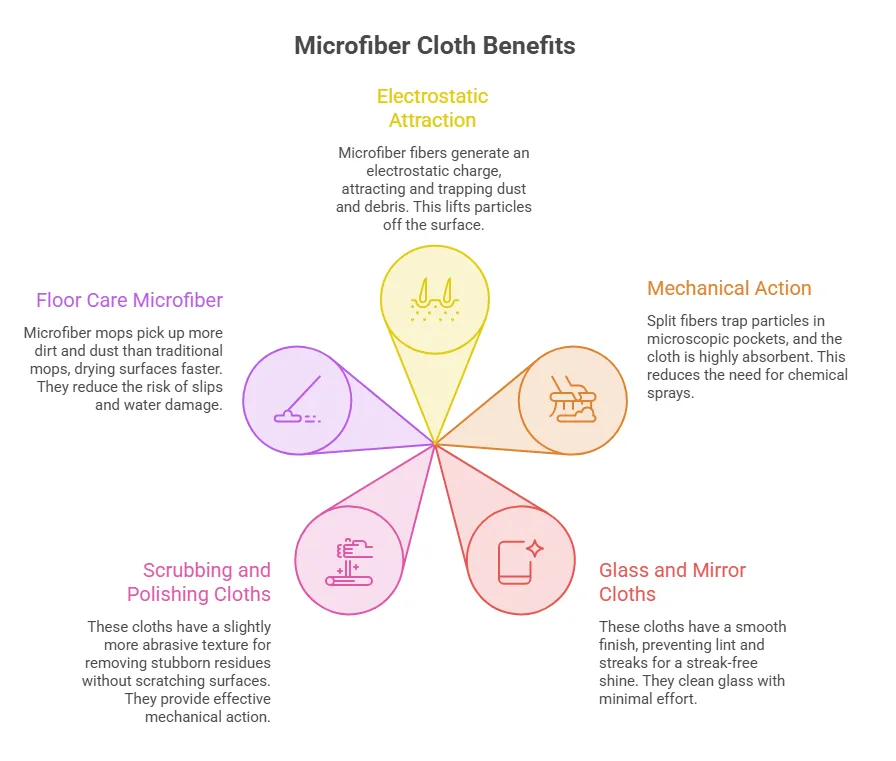
The tiny fibers in microfiber create a significant surface area. When you use a microfiber cloth to wipe a surface, these fibers generate an electrostatic charge. This charge attracts and traps dust, dirt, and even microscopic bacteria, essentially lifting them off the surface rather than just pushing them around. This is particularly effective on smooth surfaces like glass, stainless steel, and countertops.
Mechanical Action and Absorption: Lifting and Holding
Beyond static cling, the split fibers in microfiber have a unique triangular cross-section. This design allows them to trap particles in microscopic pockets. They are also incredibly absorbent, capable of holding many times their weight in water. This means you can often clean effectively with just water or a lightly dampened cloth, reducing the need for chemical sprays.
Specialized Microfiber Applications: Beyond the All-Purpose Wipe
You might have an all-purpose microfiber cloth, but there are specialized types designed for specific tasks, enhancing your green cleaning arsenal.
Glass and Mirror Cloths: Streak-Free Shine
These cloths are woven with a specific density and texture that makes them ideal for cleaning glass and mirrors. They have a smooth finish that prevents lint and streaks, leaving surfaces sparkling clean with minimal effort and no need for harsh glass cleaners. You’ll find that a quick wipe with a dry or very slightly damp glass cloth is often all it takes.
Scrubbing and Polishing Cloths: Tackling Tougher Grime
For more challenging cleaning jobs, you can find microfiber cloths with a slightly more abrasive texture or integrated scrubbing elements. These are excellent for removing dried-on food, soap scum, or other stubborn residues without scratching delicate surfaces. They work by providing a gentle, yet effective, mechanical action to lift away grime.
Floor Care Microfiber: Efficient and Effective
Microfiber mops are incredibly efficient for cleaning floors. They can pick up significantly more dirt and dust than traditional mops, and they dry surfaces faster, reducing the risk of slips and water damage. You can use them with just water or with a very small amount of eco-friendly floor cleaner, depending on your cleaning needs.
Harnessing the Power of Steam: A Chemical-Free Sanitation Solution
Steam cleaning is a remarkable green cleaning technique that leverages the power of hot water vapor to sanitize and clean. It’s a highly effective method that eliminates the need for chemicals in many situations.
The Science of Steam Cleaning: How It Works
You might think of steam as just hot water, but its efficacy in cleaning and sanitizing is rooted in physics.
High Temperatures: Killing Germs and Bacteria
The high temperatures of steam, typically above 212°F (100°C), are lethal to a vast majority of bacteria, viruses, and other microorganisms. When you apply steam to a surface, it effectively sterilizes it, eliminating pathogens without the use of disinfectants. This is a critical advantage for allergy sufferers or in homes with young children or pets.
Moisture and Heat: Loosening Dirt and Grease
The combination of moisture and heat from steam effectively loosens stubborn dirt, grease, grime, and even baked-on food. The heat breaks down the bonds holding these substances to surfaces, allowing them to be easily wiped away with a microfiber cloth. This means you can tackle tough cleaning jobs without resorting to harsh, chemical-laden degreasers.
Specialized Steam Applications: Versatility in Action
Steam cleaners come in various forms, from handheld units to larger canister models, and their applications are surprisingly diverse.
Kitchen Deep Cleaning: Tackling Grease and Grime
The kitchen is a prime candidate for steam cleaning. You can use a steam cleaner to effectively remove grease buildup from stovetops, ovens, and range hoods. It’s also excellent for sanitizing countertops, sinks, and even grout lines, which can harbor bacteria. The ability of steam to penetrate porous surfaces like grout makes it particularly valuable.
Bathroom Sanitization: Mold, Mildew, and More
For the bathroom, steam cleaning is a revolutionary approach to tackling mold, mildew, soap scum, and unsanitary conditions. You can steam clean shower doors, tiles, grout, faucets, and even toilets. The germ-killing power of steam is invaluable in these high-moisture environments.
Upholstery and Carpet Refreshing: Removing Odors and Allergens
While not a deep cleaning solution for heavily soiled carpets or upholstery, steam can be a fantastic way to refresh these items. It can help to lift embedded dirt, neutralize odors, and kill dust mites and other allergens. Always test steam on an inconspicuous area first to ensure it doesn’t damage the fabric.
Beyond Surfaces: Cleaning Air Vents and Other Difficult Areas
Steam cleaners can reach into nooks and crannies that are difficult to access with traditional cleaning tools. You can use them to clean air vents, blinds, even the nooks and crannies of children’s toys, ensuring a truly clean and healthy environment.
Natural Acids and Alkalis: The pH Powerhouse of Green Cleaning
Understanding pH is a fundamental concept in chemistry, and it’s also a powerful tool in your green cleaning arsenal. Natural acids and alkalis offer effective cleaning solutions by manipulating the chemical environment of dirt and grime.
Acids: Breaking Down Mineral Deposits and Grease
Acids are substances with a pH below 7. In cleaning, they are particularly effective at tackling mineral-based problems and certain types of grease.
Vinegar: The Versatile All-Rounder
As mentioned earlier, white vinegar is a champion of green cleaning. Its acetic acid content makes it a fantastic degreaser, descaler, and deodorizer. You can use it diluted with water for general cleaning, or undiluted for tougher jobs like removing hard water stains from showerheads or sinks. It’s also excellent for cleaning windows and mirrors, leaving them streak-free.
Lemon Juice: Nature’s Bleach and Brightener
Lemon juice, with its citric acid, acts as a mild bleach and a natural brightener. It can help to remove stubborn stains from cutting boards, lighten discoloration on surfaces, and even shine up brass and copper. Its refreshing scent is an added bonus.
Alkalis: Dissolving Grease, Oils, and Organic Matter
Alkalis, also known as bases, have a pH above 7. They are adept at breaking down and dissolving grease, oils, proteins, and other organic matter.
Baking Soda: The Gentle Abrasive and Deodorizer
Baking soda (sodium bicarbonate) is a mild alkali and a fantastic gentle abrasive. It’s perfect for scrubbing away grime without scratching surfaces. You can create a paste with water for cleaning sinks, tubs, and ovens. Baking soda is also a phenomenal deodorizer, absorbing unpleasant smells from refrigerators, carpets, and drains.
Borax: A Powerful Natural Cleaner
Borax (sodium tetraborate) is a mineral salt with excellent cleaning and disinfecting properties. It’s a natural alkali that can boost the effectiveness of laundry detergents, acts as a stain remover, and can even deter pests. When using borax, ensure you follow recommended dilution and handling guidelines.
Specialized Techniques for Specific Surfaces and Situations
| Technique | Benefits | Effectiveness |
|---|---|---|
| Microfiber cleaning | Reduces chemical use, traps dirt and dust | Highly effective for dusting and polishing |
| Steam cleaning | Uses only water, no chemicals | Effective for removing stains and killing bacteria |
| Green cleaning products | Non-toxic, biodegradable | Effective for general cleaning tasks |
Beyond the general principles and ingredients, there are specialized techniques that cater to the unique needs of different surfaces and the challenges they present.
Wood Care: Nourishing and Protecting Natural Beauty
Wood surfaces require a gentle touch and specific care to maintain their beauty and longevity. Harsh chemicals can strip finishes and dry out the wood.
Oil-Based Cleaners: Replenishing and Protecting
For finished wood furniture, oil-based cleaners are often the best choice. These cleaners, often infused with natural oils like linseed or beeswax, not only clean but also nourish the wood, replenishing lost moisture and protecting its surface from drying and cracking. A small amount applied with a soft cloth and buffed thoroughly is usually sufficient.
Vinegar and Water for Unfinished Wood: Gentle Cleaning
For unfinished wood, such as cutting boards, a diluted vinegar and water solution can be used for cleaning. The vinegar helps to sanitize and remove light stains, while the small amount of water won’t penetrate too deeply. Always wipe dry immediately after cleaning.
Stone Surfaces: Preserving Porosity and Shine
Natural stone countertops, like granite and marble, are porous and can be easily damaged by acidic or abrasive cleaners. Green cleaning offers specialized solutions to keep them looking their best.
pH-Neutral Cleaners: Protecting Delicate Surfaces
The key to cleaning stone is to use pH-neutral cleaners. Many commercial stone cleaners are formulated to be gentle. Alternatively, a mild soap diluted in water, or a specific stone cleaner made with natural ingredients, will effectively remove grime without etching or dulling the surface. Always wipe spills immediately to prevent staining.
Specialized Poultices for Tough Stains: Drawing Out Impurities
For stubborn stains on natural stone, such as oil or organic matter, specialized poultices can be used. These are pastes made from absorbent materials (like diatomaceous earth or baking soda) mixed with a cleaning agent. The poultice is applied to the stain, covered, and allowed to dry. As it dries, it draws the stain out of the porous stone.
Grout and Tile Restoration: Battling Grime and Mildew
Grout lines can quickly accumulate dirt, grime, and mildew, diminishing the overall appearance of your tiled surfaces. Green cleaning offers effective solutions for this challenge.
Baking Soda Paste and Hydrogen Peroxide: A Powerful Combination
A paste made from baking soda and hydrogen peroxide is a popular and effective green cleaning solution for grout. The baking soda acts as a mild abrasive, while the hydrogen peroxide has mild bleaching and disinfecting properties. Apply the paste, let it sit for a while, and then scrub with a grout brush. Rinse thoroughly.
Steam Cleaning for Deep Sanitization:
As mentioned previously, steam cleaning is an excellent method for deeply sanitizing grout and tile, killing mold and mildew at its source. The high heat and pressure can effectively dislodge grime and kill microscopic organisms, leaving your grout fresh and clean.
By understanding these eco-friendly specialized techniques, you’re not just cleaning your home; you’re contributing to a healthier, more sustainable future. You are empowering yourself with knowledge, transforming everyday chores into acts of mindful stewardship for your living space and for the planet. The journey of green cleaning is one of continuous learning and discovery, and by embracing these methods, you’re embarking on a path toward a cleaner, healthier, and more vibrant life for yourself and generations to come.
FAQs
What are eco-friendly specialized cleaning techniques?
Eco-friendly specialized cleaning techniques are cleaning methods that prioritize the use of environmentally friendly products and practices. These techniques aim to minimize the impact on the environment while effectively cleaning and maintaining a space.
What are some examples of eco-friendly specialized cleaning techniques?
Examples of eco-friendly specialized cleaning techniques include using non-toxic and biodegradable cleaning products, implementing water-saving practices, utilizing microfiber cloths and mops for efficient cleaning, and incorporating steam cleaning methods to reduce the use of chemicals.
How do eco-friendly specialized cleaning techniques benefit the environment?
Eco-friendly specialized cleaning techniques benefit the environment by reducing the use of harmful chemicals and minimizing water consumption. These techniques also contribute to indoor air quality by using non-toxic products, and they help in conserving natural resources.
Are eco-friendly specialized cleaning techniques effective in maintaining cleanliness?
Yes, eco-friendly specialized cleaning techniques are effective in maintaining cleanliness. They utilize innovative and sustainable methods that are designed to effectively clean and sanitize spaces while minimizing the impact on the environment.
How can businesses and individuals implement eco-friendly specialized cleaning techniques?
Businesses and individuals can implement eco-friendly specialized cleaning techniques by using environmentally friendly cleaning products, adopting water-saving practices, investing in sustainable cleaning equipment, and staying informed about the latest eco-friendly cleaning methods and technologies.