You strive for a home that gleams, not just on the surface, but with a deep, lasting cleanliness that speaks of care and attention. You understand that true sparkle isn’t achieved with a quick wipe and a spritz; it demands specialized techniques, a thoughtful approach, and an understanding of the nuances within your living space. This article is your guide to elevating your home cleaning from a chore to an art form, revealing the secrets of expert cleaners to transform your environment into a sanctuary of pristine comfort.
Before you even think about reaching for a cleaning product, you know that effective cleaning begins with a meticulous foundation: decluttering and preparation. This isn’t merely tidying up; it’s a strategic operation that sets the stage for deep cleaning success.
The Art of Strategic Decluttering
You’ve probably encountered the frustrating cycle: you clean, things get messy again, and you repeat. The key to breaking this cycle lies in strategic decluttering. This means more than just putting things away; it involves a critical evaluation of what you own and its place in your home.
- Implement the “One Year Rule”: You ask yourself: have you used this item in the past year? If not, you seriously consider donating, selling, or discarding it. This simple rule helps you ruthlessly eliminate items that are simply taking up space.
- Create Designated Homes for Everything: Every item, from your remote control to your spare batteries, needs a specific, easily accessible home. When everything has a place, putting things away becomes second nature, drastically reducing clutter accumulation.
- Utilize Vertical Space and Storage Solutions: You look up! Walls and the undersides of shelves are often overlooked storage opportunities. Investing in clever organizers, shelf dividers, and wall-mounted units helps you maximize space and keep surfaces clear. Remember, a clear surface is a cleanable surface.
- Adopt a “One In, One Out” Policy: When you purchase a new item, especially in categories prone to accumulation like clothing or kitchen gadgets, you commit to discarding or donating an existing item. This prevents your home from becoming overwhelmed with possessions.
Essential Pre-Cleaning Steps
Once your space is decluttered, you move on to the crucial pre-cleaning steps. These actions, often overlooked, significantly enhance the effectiveness and efficiency of your actual cleaning process.
- High-Volume Dusting First: You always start high and work your way down. Gravity is your ally here. Beginning with dusting ceilings, light fixtures, and the tops of furniture ensures that any dislodged dust falls onto surfaces that will be cleaned later, preventing you from having to re-dust. Use a microfiber cloth or a duster with an extendable handle for optimal reach.
- Vacuuming and Sweeping before Wet Cleaning: You never apply wet cleaners to dry debris. This simply creates mud, making your job harder. You thoroughly vacuum carpets and rugs, and sweep or dry mop hard floors. This removes loose dirt, pet hair, and crumbs, ensuring that your wet cleaning agents can effectively tackle grime.
- Gathering Your Toolkit: Before you even begin a specific task, you ensure your cleaning caddy is fully stocked. This means having all the necessary cloths, sponges, brushes, and cleaning solutions readily at hand. There’s nothing more frustrating than having to stop midway through a task to search for a missing item.
The Science of Spotless Surfaces: Advanced Cleaning Techniques
Now that your space is prepared, you’re ready to dive into the core of expert cleaning: the specialized techniques that transform ordinary surfaces into extraordinary ones. This is where you leverage science and smart methods to achieve a truly sparkling finish.
Conquering Kitchen Grime: A Multi-Pronged Attack
Your kitchen is often the busiest and dirtiest room in the house. You approach it with a multi-pronged attack, addressing specific challenges with tailored solutions.
- Deep Cleaning the Oven: Forget harsh chemicals alone. You can turn your oven into a self-cleaning marvel by harnessing the power of baking soda and vinegar. You remove racks, spray the interior with water, then paste baking soda over all surfaces. Let it sit overnight, then spray with vinegar (it will fizz!) and scrub away softened grime. For stubborn baked-on food, a plastic scraper or old credit card can be incredibly effective.
- Sanitizing Cutting Boards: Wooden and plastic cutting boards can harbor bacteria. You sanitize them effectively by scrubbing with a paste of coarse salt and lemon juice, letting it sit for 10-15 minutes, then rinsing. For an extra layer of protection, especially with plastic boards, a diluted bleach solution (1 tablespoon bleach per gallon of water) can be used, followed by a thorough rinse.
- Degreasing Range Hoods and Backsplashes: Grease splatters are inevitable. You tackle them with a dedicated degreaser or a paste of baking soda and warm water. Apply, let it sit to penetrate the grease, then scrub with a non-abrasive sponge or microfibre cloth. For stainless steel, follow up with a specialized stainless steel cleaner and polish to restore its luster and prevent fingerprints.
- Dishwasher Deep Clean: Even your dishwasher needs cleaning. You run an empty cycle with a cup of white vinegar placed on the top rack. For an extra boost, sprinkle baking soda on the bottom before the cycle starts. This helps remove mineral deposits, mildew, and food residue, ensuring your dishes come out truly clean.
- Garbage Disposal Refresh: Eliminate odors by grinding a handful of ice cubes, followed by half a lemon or orange. The ice helps dislodge food particles, and the citrus leaves a fresh scent.
Bathroom Brilliance: Eliminating Soap Scum and Grime
Your bathroom demands a combination of powerful cleaning and careful sanitation. You learn to fight soap scum and hard water stains effectively.
- Shower and Tub Transformation: For impenetrable soap scum, a strong acid like white vinegar or a specialized commercial cleaner is your best friend. You apply the product, allow it to dwell for several minutes (as per product instructions), then scrub with a stiff brush or non-abrasive scrubber. For glass shower doors, a squeegee after every use drastically reduces water spots and soap scum buildup. You can also use a mixture of equal parts white vinegar and dish soap for an excellent homemade shower cleaner.
- Toilet Bowl Descaling: Beyond daily cleaning, you sometimes need to tackle hard water rings. You can pour a cup of white vinegar into the bowl and let it sit overnight. The acidity helps dissolve mineral deposits. For tougher rings, you can even gently scrub with a pumice stone (designed for toilets) or a specialized toilet descaler. Remember to always flush thoroughly afterward.
- Grout Rejuvenation: Mold and mildew love grout. You can restore it by scrubbing with a paste of baking soda and hydrogen peroxide, or a commercial grout cleaner. For persistent discoloration, consider using oxygen bleach (non-chlorine bleach) or a grout pen to whiten and protect. Ensure proper ventilation when working with these products.
- Faucet and Fixture Polishing: Hard water stains can dull your chrome and stainless steel fixtures. You can remove them by applying white vinegar on a cloth, letting it sit for a few minutes, then buffing with a dry microfiber cloth. For extra shine, a dab of baby oil can be applied and buffed into the clean fixtures.
Floor Finishes: Beyond the Mop
You understand that different floor types require different approaches. You move beyond the standard mop and bucket for a truly professional finish.
- Hardwood Harmony: Never over-wet hardwood floors, as moisture can cause damage. You use a damp (not wet) microfiber mop with a pH-neutral wood floor cleaner. For scratches or dullness, consider using a wood floor polish or rejuvenator periodically. You always sweep or vacuum thoroughly before mopping to prevent scratching the finish with trapped dirt.
- Tile and Grout Deep Clean: For tile floors, you often use a steam cleaner to effectively clean and sanitize both the tile and the grout without harsh chemicals. If you don’t have a steam cleaner, a solution of warm water and a small amount of dish soap can work wonders, followed by a clean water rinse to prevent residue. Pay special attention to scrubbing the grout lines with a stiff brush.
- Carpet Care and Stain Removal: Regular vacuuming with a high-quality vacuum cleaner is your first line of defense. For spills, you always blot, never rub. For stubborn stains, you identify the stain type (grease, coffee, pet urine) and use an appropriate carpet cleaner. Pre-treating heavily trafficked areas before a full carpet shampoo can yield impressive results. Consider professional carpet cleaning annually or bi-annually.
The Art of Detailing: The Finishing Touches
True expert cleaning lies in the details. You know that a truly sparkling space is achieved by paying attention to the often-overlooked elements that complete the picture.
Polishing and Protecting Surfaces
Beyond simple cleaning, you focus on polishing and protecting surfaces to maintain their beauty and longevity.
- Furniture Care for Various Materials: You understand that wooden, leather, and upholstered furniture each require specific care. For wood, you use a silicone-free furniture polish or oil, always wiping with the grain. For leather, a specialized leather cleaner and conditioner keeps it supple and prevents cracking. Upholstery often benefits from regular vacuuming and targeted spot cleaning with appropriate fabric cleaners.
- Glass and Mirror Perfection: Streaks on glass are a dead giveaway of amateur cleaning. You achieve streak-free results by using a mixture of white vinegar and water (or a good glass cleaner) applied with a microfiber cloth, then buffing dry with a separate, clean, dry microfiber cloth or even old newspaper (the ink creates a haze, not streaks on glass). Work in sections to prevent the solution from drying too quickly.
- Chrome and Stainless Steel Luster: After cleaning, you polish chrome and stainless steel with a clean microfiber cloth. For stainless steel, always wipe in the direction of the grain to prevent streaking and maximize shine. A specialized stainless steel cleaner also helps to repels fingerprints.
Air Quality and Organization
A clean home isn’t just about what you see; it’s about what you breathe and feel.
- Indoor Air Purification: You improve indoor air quality by regularly changing HVAC filters, which trap dust, allergens, and pollutants. You also consider investing in houseplants, which naturally purify the air, and opening windows periodically to introduce fresh air.
- Baseboard and Trim Detail: You often overlook baseboards and doorframes, but they accumulate dust and scuffs. You wipe them down with a damp cloth (and a mild all-purpose cleaner if needed) and a magic eraser for scuff marks. This small detail makes a significant difference to the overall cleanliness of a room.
- Vent and Grate Cleaning: Air vents, return air grates, and exhaust fan covers accumulate dust and can hinder airflow. You remove these (if possible) and thoroughly wash them or vacuum them, then wipe them down. This not only improves air quality but also makes your heating and cooling systems more efficient.
Long-Term Maintenance: Keeping the Sparkle Alive
You know that expert cleaning isn’t a one-time event; it’s a commitment to ongoing maintenance. You implement systems and routines to keep your home consistently sparkling.
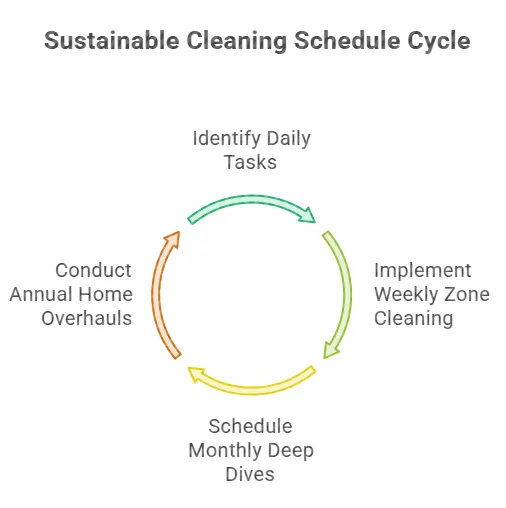
Creating a Sustainable Cleaning Schedule
Consistency is key to preventing overwhelming cleaning tasks. You create a schedule that works for your lifestyle.
- Daily Power Routines: You identify your non-negotiable daily tasks: making the bed, wiping down kitchen counters after meals, loading the dishwasher, and a quick tidy-up before bed. These small actions prevent clutter and dirt from accumulating.
- Weekly Zone Cleaning: You designate specific days for cleaning different areas of your home. For example, Monday: bathrooms, Tuesday: kitchen, Wednesday: floors, etc. This breaks down large tasks into manageable chunks.
- Monthly and Quarterly Deep Dives: You schedule monthly tasks like thoroughly cleaning the microwave, emptying trash cans and scrubbing them, or polishing wood furniture. Quarterly tasks might include washing windows, cleaning light fixtures, or deep cleaning specific appliances.
- Annual Home Overhauls: Once a year, you tackle major tasks like cleaning carpets, washing curtains, or organizing closets. This ensures that every corner of your home receives attention.
Smart Tool and Product Selection
Your cleaning success is heavily influenced by the tools and products you choose. You invest wisely.
- High-Quality Microfiber Cloths: These are your cleaning workhorses. You have a generous supply for various tasks, color-coding them if you wish (e.g., blue for glass, green for general surfaces). They pick up dirt and dust effectively and are lint-free.
- Specialized Brushes and Scrubbers: You have a range of brushes for specific tasks: a grout brush, a toilet brush, a bottle brush for narrow containers, and a stiff utility brush for tougher scrubbing jobs.
- Eco-Friendly and Effective Cleaners: You prioritize products that are effective but also safe for your family and the environment. You research ingredients and choose cleaners that meet your standards, or you make your own using natural ingredients like vinegar and baking soda.
- Investing in Good Equipment: A powerful vacuum cleaner with attachments, a reliable steam cleaner, or a good quality mop system can save you time and greatly improve cleaning results.
The Expert Advantage: Beyond Cleanliness
| Specialized Cleaning Techniques for Homes |
|---|
| 1. Deep Cleaning |
| 2. Sanitization |
| 3. Mold and Mildew Removal |
| 4. Carpet and Upholstery Cleaning |
| 5. Hardwood Floor Polishing |
| 6. Window and Glass Cleaning |
| 7. Air Duct Cleaning |
Ultimately, your goal is more than just a chemically clean space. You seek the expert advantage—the feeling of serenity and well-being that permeates a truly cared-for home.
Benefits of a Professionally Clean Home
You understand that the rewards extend far beyond aesthetics.
- Improved Health and Well-being: A clean home means fewer allergens, dust mites, and bacteria, leading to better respiratory health and a reduced risk of illness. The act of living in a clean space also reduces stress and improves mental clarity.
- Increased Longevity of Furnishings: Regular and proper cleaning protects your investments. Dust, dirt, and neglected spills can damage surfaces, fabrics, and finishes over time.
- Enhanced Comfort and Hospitality: A sparkling home feels more welcoming, not just to guests but also to you and your family. It creates an atmosphere of peace and order.
- Reduced Stress and Better Focus: Knowing your home is clean eliminates a significant source of underlying stress. It allows you to relax, focus on other priorities, and truly enjoy your living space.
Applying these specialized techniques and fostering a proactive approach to cleanliness will transform your home from merely tidy to truly sparkling. You are not just cleaning; you are nurturing your environment, creating a space that reflects your dedication to quality and well-being. Embrace these expert insights, and you’ll find that maintaining a pristine home becomes not a burden, but a rewarding aspect of your daily life.
FAQs
What are specialized cleaning techniques for homes?
Specialized cleaning techniques for homes are advanced cleaning methods that go beyond regular dusting and vacuuming. These techniques may include deep cleaning carpets, upholstery, and drapes, as well as using specialized equipment and products to remove tough stains and odors.
What are some examples of specialized cleaning techniques for homes?
Examples of specialized cleaning techniques for homes include steam cleaning carpets, using high-powered vacuums with HEPA filters to remove allergens, deep cleaning grout and tile, and using specialized products to remove pet stains and odors.
When should specialized cleaning techniques be used in homes?
Specialized cleaning techniques should be used in homes when regular cleaning methods are not effective in removing tough stains, odors, or allergens. They can also be used for seasonal deep cleaning or for specific areas of the home that require extra attention.
Are specialized cleaning techniques safe for homes and the environment?
When performed by trained professionals using eco-friendly products, specialized cleaning techniques are safe for homes and the environment. It’s important to use reputable cleaning companies that prioritize the use of non-toxic and biodegradable cleaning products.
How can I find a reliable professional to perform specialized cleaning techniques in my home?
To find a reliable professional for specialized cleaning techniques, you can ask for recommendations from friends and family, read online reviews, and verify that the company is licensed and insured. It’s also important to inquire about their cleaning methods and the products they use to ensure they align with your preferences.