Dust mites are tiny organisms that live in bedding, mattresses, pillows, and upholstery. You cannot see them, but they can trigger sneezing, itchy eyes, and allergy symptoms. The good news is that you can remove dust mites from bedding with a consistent cleaning routine and a few smart habits.
Why Dust Mites Thrive in Your Bed
Your bed is the perfect home for dust mites. They feed on dead skin cells that we shed every night, and they prefer warm, humid environments. A bed offers all of this in abundance.
Most dust mites live in the fibers of mattresses, pillows, comforters, and blankets. Their droppings and body fragments are the main source of allergens, so keeping their population low is key to a healthier sleep space.
Wash Your Bedding in Hot Water
Hot water is one of the most effective ways to remove dust mites from bedding. Wash sheets, pillowcases, and blankets at 130°F (54°C) or higher. Water at this temperature kills mites and helps remove their allergens.
Choose the Right Detergent
A standard detergent works well for most loads. Use the full recommended amount so the wash cycle can lift dirt and skin cells effectively. Rinse thoroughly to make sure no residue stays in the fabric.
Dry on High Heat
Drying is just as important as washing. Tumble dry bedding on a high setting for at least 30 minutes. The heat finishes off any mites that survived the wash cycle.
Clean Your Mattress Regularly
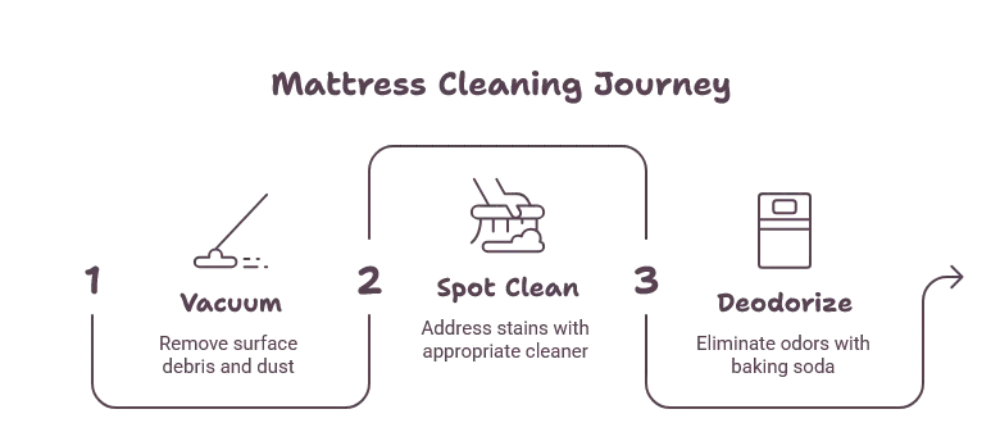
Your mattress holds a large number of dust mites, so it needs regular attention. Vacuum the top and sides of your mattress every week or two. Use an upholstery attachment and move slowly so the suction can pull up dust and debris.
Use a Mattress Protector
A zippered, allergen-proof mattress protector creates a barrier that keeps mites from reaching the mattress surface. Wash the protector along with your sheets to keep it clean and effective.
Let Your Mattress Air Out
Strip your bed and let the mattress breathe for a few hours each week. Moisture from sleep builds up over time, and dry conditions make it harder for mites to survive.
Care for Pillows and Comforters
Pillows collect a surprising amount of dust mites and allergens. Wash pillows every three to six months, following the care label. Many pillows can go in the washing machine on a gentle cycle, but make sure they dry completely to prevent mold.
Replace Old Pillows
If your pillows feel flat, lumpy, or discolored, it may be time to replace them. Older pillows often hold far more mites than new ones.
Choose Washable Comforters
Comforters and duvets should also be washed regularly. Look for options labeled machine washable, and consider using a duvet cover that you can remove and clean often.
Control Humidity and Airflow
Dust mites need humidity to survive, so controlling moisture in your bedroom makes a real difference. Aim to keep indoor humidity below 50 percent. A dehumidifier can help in damp climates.
Open Windows and Use Fans
Fresh air and good circulation reduce humidity and keep dust from settling. Open windows when weather allows, and run a ceiling fan or air purifier to keep air moving.
Reduce Dust Around Your Bed
Dust mites are not the only issue. Dust collects on nightstands, headboards, curtains, and rugs, and it can spread allergens back onto your bedding. Dust these surfaces weekly with a damp cloth or microfiber cloth to trap particles instead of scattering them.
Vacuum With a HEPA Filter
A vacuum with a HEPA filter captures very fine particles, including allergens. Vacuum floors, rugs, and upholstered furniture at least once a week for the cleanest results.
Limit Soft Clutter
Stuffed toys, heavy drapes, and piles of fabric give dust mites more places to hide. Keep your bedroom simple, and wash soft toys regularly if you keep them.
Build a Simple Weekly Routine
Consistency matters more than deep cleaning once in a while. Here is an easy routine to follow:
Wash sheets and pillowcases weekly in hot water. Vacuum your mattress and bed frame every one to two weeks. Dust surfaces and vacuum floors weekly. Wash pillows and comforters every few months.
Sticking to this schedule keeps dust mite levels low and helps you sleep better over time.
Conclusion
Learning how to remove dust mites from bedding takes a little effort, but the results are worth it. Hot water washing, regular mattress cleaning, proper pillow care, and humidity control work together to keep your sleep space healthier. Start with one or two habits this week, then build a routine that fits your life. Over time, you may notice fewer allergy symptoms and more comfortable nights.
Frequently Asked Questions
How often should I wash my bedding to remove dust mites?
Wash sheets and pillowcases at least once a week in hot water. Blankets and comforters can be washed every few weeks or as the care label suggests.
Does hot water really kill dust mites?
Yes. Water at 130°F (54°C) or higher kills dust mites. Drying on high heat afterward helps finish the job.
Can dust mites live in my mattress even if it looks clean?
Yes. Dust mites live deep in mattress fibers, so they are not visible. Regular vacuuming and a mattress protector help keep their numbers low.
Do allergy-proof covers help with dust mites?
They do. Zippered covers made from tightly woven fabric block mites and allergens from reaching your mattress and pillows.
Can I remove dust mites from bedding without washing it?
Freezing and vacuuming can reduce mites, but washing in hot water and drying on high heat is the most reliable method for removing them from bedding.