Wants to know? How to Remove Sweat Stains Naturally? Sweat stains are one of the most frustrating laundry problems, especially on your favorite white shirts. If you have ever pulled a shirt out of the closet only to find yellow patches under the arms, you already know how annoying this is. The good news is that you can remove sweat stains naturally using simple ingredients you likely already have at home, without relying on harsh chemical bleaches.
Why Do Sweat Stains Turn Yellow?
Sweat itself is clear, so many people wonder why stains appear yellow over time. The real culprit is a mix of sweat and the aluminum compounds found in most antiperspirants. When this combination reacts with fabric fibers and body heat, it slowly oxidizes and leaves behind that stubborn yellow tint. This is why sweat stains often get worse the longer they sit untreated.
Common Fabrics That Show Sweat Stains Easily
White cotton shirts, dress shirts, and light colored fabrics show sweat stains the fastest. Synthetic fabrics like polyester also tend to trap odor and staining agents because they do not breathe as well as natural fibers.
Natural Ingredients That Remove Sweat Stains
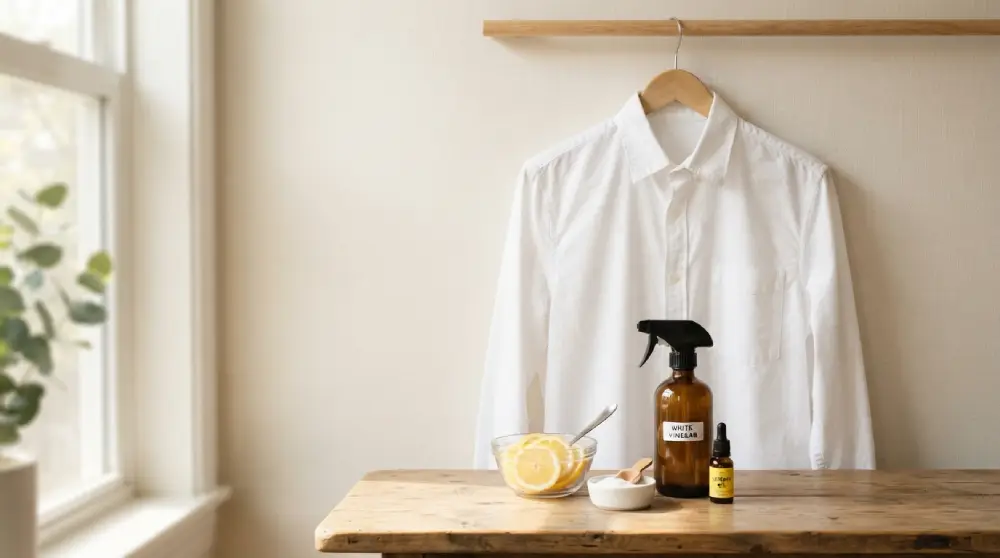
You do not need expensive stain removers to tackle sweat marks. Several natural ingredients found in almost every kitchen can break down the stain and lift it from fabric fibers effectively.
Baking Soda
Baking soda is a gentle abrasive that helps lift stains without damaging fabric. Mix it with a little water to form a thick paste, then apply it directly to the stained area. Let it sit for around thirty minutes before washing the garment as usual. Baking soda also helps neutralize odor trapped in the fibers.
White Vinegar
White vinegar is one of the most effective natural stain fighters because of its acidic properties. Soak the stained area in a mixture of vinegar and water for about an hour before washing. It breaks down the protein and mineral buildup that causes discoloration.
Lemon Juice
Lemon juice works as a natural bleaching agent thanks to its citric acid content. Apply fresh lemon juice directly onto the stain and allow the garment to sit in sunlight for a while. Sunlight enhances the bleaching effect, making this method especially useful for white fabrics.
Hydrogen Peroxide
Hydrogen peroxide is a mild natural bleach that works well on tougher, older stains. Dab a small amount onto the affected area and let it sit for fifteen to twenty minutes before rinsing and washing normally. Always test on a small hidden area first since it can lighten certain dyed fabrics.
Salt Paste
Salt combined with warm water creates a simple paste that helps draw out sweat and oil from fabric. Rub the paste gently into the stain, let it rest, then rinse thoroughly before laundering.
Step by Step Natural Stain Removal Process
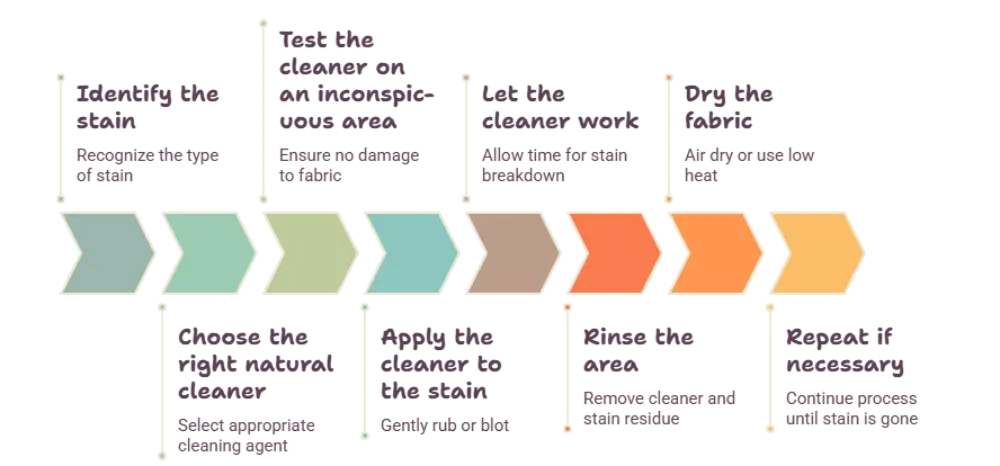
Removing sweat stains naturally works best when you follow a consistent process rather than randomly applying ingredients.
Pretreat the Stain
Always treat the stain before tossing the garment into the wash. Washing a stained item without pretreatment often sets the stain permanently, making it much harder to remove later.
Apply Your Chosen Natural Remedy
Choose one of the natural methods above based on the fabric type and how stubborn the stain appears. Gently work the solution into the fibers using an old toothbrush or your fingertips.
Let It Sit
Patience matters here. Most natural remedies need time to break down the buildup, so avoid rinsing too early. Letting the treatment sit for the recommended time significantly improves results.
Wash With Cold Water
Always wash sweat stained garments in cold water. Hot water can cause the proteins in sweat to bond further with the fabric, making the stain harder to remove.
Air Dry Before Checking
Avoid using a dryer until you are sure the stain is completely gone. Heat from the dryer can permanently set any remaining discoloration.
Preventing Sweat Stains From Coming Back
Treating stains is helpful, but preventing them from forming in the first place saves you time and effort in the long run.
Choose Breathable Fabrics
Natural fibers like cotton and linen allow better airflow and reduce sweat buildup compared to synthetic materials.
Let Antiperspirant Dry Before Dressing
Give your antiperspirant a few minutes to dry completely before putting on clothing. This reduces the chance of the product transferring onto fabric fibers.
Wash Clothes Promptly
Try not to leave sweaty clothes sitting in a hamper for too long. The faster you wash them, the less time sweat has to react with fabric and set into a stain.
Final Thoughts
Sweat stains might seem impossible to remove, but with a little patience and the right natural ingredients, you can restore your clothes without harsh chemicals. Baking soda, vinegar, lemon juice, hydrogen peroxide, and salt are all effective, affordable, and safe options for most fabric types. Combine proper pretreatment with good prevention habits, and your clothes will stay fresh and stain free for much longer.
Frequently Asked Questions
Can baking soda really remove old sweat stains?
Yes, baking soda works well on both fresh and older sweat stains, especially when left as a paste for at least thirty minutes before washing.
Does vinegar damage clothing fibers?
White vinegar is safe for most fabrics when diluted with water and is not known to weaken fibers when used occasionally for stain treatment.
Is hydrogen peroxide safe for colored clothes?
Hydrogen peroxide can lighten certain dyes, so it is best to test it on a hidden area of colored clothing before applying it to the stain.
How long should lemon juice sit on a stain?
Lemon juice should sit on the stain for around thirty minutes to an hour, ideally in sunlight, before rinsing and washing the garment.
Why do sweat stains keep coming back after washing?
Stains often return because the fabric was washed in hot water before the stain was fully treated, which can set residue deeper into the fibers.