Your home is a canvas, and maintaining its cleanliness is an ongoing art form. Understanding different cleaning techniques can transform chores into purposeful acts of preservation, keeping your living spaces not only visually appealing but also healthier and more functional. This guide will navigate you through a spectrum of approaches, from the foundational to the specialized, to help you become a more efficient and effective custodian of your environment.
Consistent, low-level cleaning prevents the accumulation of dirt and grime, which can become stubborn edifices if left unchecked. Think of this as tending a garden; regular weeding and watering prevent an overwhelming jungle.
Daily Habits for a Tidy Environment
Integrating small, consistent actions into your daily routine can significantly reduce the burden of larger cleaning tasks. These are the bread and butter of domestic upkeep.
Kitchen Countertop Wipe-Down
Immediately after food preparation or meals, dedicate a few minutes to wiping down your kitchen countertops. This prevents food residues from drying and becoming difficult to remove. A damp cloth with mild dish soap or a dedicated kitchen cleaner is usually sufficient. For surfaces like granite or marble, ensure your cleaner is pH-neutral to avoid etching. The goal is to create a sterile landscape for your next culinary endeavor.
Sink Scrub and Rinse
Your kitchen and bathroom sinks are hubs of activity and potential breeding grounds for bacteria. A quick scrub with a sponge and dish soap after each use, followed by a thorough rinse, is crucial. Pay attention to the faucet and handles, as these are frequently touched. Leaving a wet sink is like leaving a door ajar for unwelcome guests.
Quick Floor Sweep or Vacuum
Depending on your flooring, a 5-minute sweep of high-traffic areas in the kitchen and entryway can prevent grit from being tracked throughout the house. If you have carpeting, a quick run of the vacuum cleaner over these areas will capture loose debris. This preemptive strike keeps your floors from becoming a rough terrain.
Addressing Visible Messes
Spills happen, and dropped items are inevitable. Make it a habit to address these immediately. A spilled drink is a minor inconvenience; a dried-out spill is a battle. Keep cleaning supplies readily accessible for these situations.
Weekly Deep Dive: Tackling More Involved Tasks
Once a week, you can allocate more time to address areas that require a more thorough cleaning. These are the foundational pillars of a consistently clean home.
Comprehensive Kitchen Cleaning
Beyond daily wipe-downs, a weekly kitchen clean involves more. This includes cleaning the stovetop, microwave interior, and exterior of appliances. Empty and wipe down the inside of the refrigerator, and clean the sink thoroughly, perhaps with a stronger degreaser. Imagine scrubbing away the accumulated stories of past meals.
Bathroom Sanitation
The bathroom requires regular attention to maintain hygiene. This involves scrubbing the toilet bowl, cleaning the shower or bathtub, wiping down the sink and vanity, and cleaning the mirror. Pay attention to grout lines, which can harbor mold and mildew. A clean bathroom is a sanctuary, not a science experiment waiting to happen.
Floor Cleaning: Mopping and Vacuuming
This is where you address the broader scope of your floor surfaces. Vacuum carpets and rugs thoroughly, moving furniture where possible to reach hidden dirt. For hard floors, a thorough mop with an appropriate cleaning solution will address accumulated grime. The floor is the foundation upon which your home stands; keep it clean and stable.
Dusting Surfaces
Dust is an insidious intruder, accumulating on every surface. Dedicate time to dusting furniture, shelves, electronics, and decorative items. Microfiber cloths are excellent for trapping dust particles. Neglecting dusting is akin to letting cobwebs become architectural features.
Trash and Recycling Management
While it might seem basic, regularly emptying trash bins and managing recycling is a vital cleaning task. Clean the bins themselves periodically to prevent odors and residue buildup. This is about managing the outward flow of your home’s detritus.
Specialized Cleaning Techniques
Beyond the routine, various specialized techniques address specific cleaning challenges and materials, demanding a tailored approach.
Steam Cleaning: Harnessing the Power of Heat
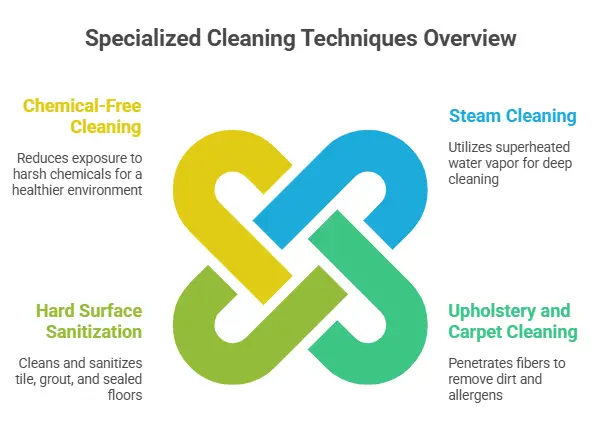
Steam cleaning utilizes superheated water vapor to loosen dirt, kill bacteria, and sanitize surfaces. It is a chemical-free cleaning method that can be highly effective on a variety of materials.
Upholstery and Carpet Cleaning
Steam cleaners are particularly well-suited for deep cleaning carpets and upholstery. The hot steam penetrates fibers, dislodging embedded dirt, allergens, and stains. For upholstery, it’s crucial to ensure the fabric can withstand moisture and heat. A test in an inconspicuous area is advisable. The steam acts like a tiny, energetic hammer, breaking down persistent grime.
Hard Surface Sanitization
Many steam cleaners come with attachments for cleaning hard surfaces like tile, grout, and even sealed hardwood floors. The steam can effectively lift grime from grout lines and sanitize surfaces without the need for harsh chemicals, making it a more environmentally friendly option. Think of it as a microscopic steam bath for your surfaces.
Benefit of Chemical-Free Cleaning
A significant advantage of steam cleaning is its ability to sanitize without chemicals. This is particularly beneficial for households with children, pets, or individuals with allergies or respiratory sensitivities. Reducing chemical exposure contributes to a healthier indoor environment.
Pressure Washing: The Force of Water
Pressure washing employs a high-pressure stream of water to remove dirt, mold, mildew, and other debris from exterior surfaces. It is a powerful tool for outdoor cleaning but requires careful application to avoid damage.
Driveway and Sidewalk Cleaning
Driveways and sidewalks can accumulate a significant amount of dirt, oil stains, and moss. Pressure washing can restore their appearance, making them look significantly cleaner and newer. Choose the appropriate nozzle and pressure setting to avoid damaging concrete or paver surfaces. This is like a high-pressure rainstorm, but with purpose.
Deck and Patio Restoration
Wood decks and patios can become weathered and stained over time. Pressure washing can remove the grayed surface layer of wood, revealing the original color underneath. It’s essential to use a lower pressure setting and a fan nozzle when cleaning wood to prevent splintering or gouging. Think of it as a gentle exfoliation for your outdoor living spaces.
Exterior Building Surfaces
Pressure washing can also be used to clean the siding of your house, fences, and other exterior structures. It can remove algae, mold, and dirt buildup, significantly improving the curb appeal of your home. However, caution should be exercised around windows, doors, and electrical outlets, and professional advice is recommended for delicate materials. This is your home taking a refreshing, high-impact shower.
Safety Considerations
It is crucial to use pressure washers with appropriate safety gear, including eye protection and sturdy footwear. Never point the wand at people or pets. Understanding the different nozzle types and pressure settings is paramount to avoiding damage to surfaces and potential injury.
Enzyme Cleaners: Nature’s Little Helpers
Enzyme cleaners utilize specific biological enzymes to break down organic stains and odors. They are particularly effective on biological residues like pet accidents, food spills, and mildew.
Pet Stain and Odor Removal
For pet owners, enzyme cleaners are indispensable. Enzymes break down the organic matter in urine, feces, and vomit, effectively eliminating both the stain and the odor at its source. Unlike conventional cleaners that may only mask odors, enzyme cleaners digest the odor-causing molecules. They are like microscopic sanitation crews, diligently at work.
Food and Organic Stain Treatment
Spills from wine, coffee, blood, or other organic substances can be effectively treated with enzyme cleaners. Apply the cleaner liberally, allow it to dwell for the recommended time, and then blot or rinse. The enzymes work to ‘eat away’ the stain. This is a targeted attack on organic adversaries.
Mold and Mildew Remediation
Certain enzyme cleaners are formulated to break down the organic matter that constitutes mold and mildew. They can be used on various surfaces, including tiles, grout, and fabrics, to help eradicate these unsightly and potentially unhealthy growths. This is precision dentistry for your surfaces, targeting the decay.
How Enzymes Work
Enzymes are proteins that act as catalysts, speeding up specific chemical reactions. In cleaning, specific enzymes are chosen to break down particular types of organic molecules, such as proteins, fats, and carbohydrates, into simpler, less noticeable compounds.
Deep Cleaning Strategies for Specific Rooms
Certain rooms in your home present unique cleaning challenges, requiring specific strategies.
The Kitchen: A Culinary Battlefield
The kitchen is a nexus of activity, prone to grease, food debris, and microbial growth. A systematic approach is key.
Tackling Grease Buildup
Grease is a persistent adversary in the kitchen. Regularly use a degreaser on stovetops, range hoods, and backsplashes. oven cleaning requires specialized products or the self-cleaning function. For cabinets and countertops, a good all-purpose cleaner or a mixture of vinegar and water can help cut through grease. Imagine lifting a thick, invisible veil of oil.
Refrigerator and Freezer Maintenance
Regularly clearing out old food from your refrigerator and freezer is essential for hygiene and preventing odors. Wipe down shelves and drawers with a mild detergent. For stubborn stains or odors, a mixture of baking soda and water can be effective. Consider the freezer a cryogenic vault that needs occasional defrosting and tidying.
Appliance Exterior Care
The exteriors of your appliances can accumulate fingerprints, smudges, and food spatters. Use appropriate cleaners for stainless steel, glass, or enamel surfaces. A microfiber cloth is your best friend here to avoid streaks. Keep these metallic beasts in their gleaming condition.
Sink and Drain Hygiene
Your kitchen sink and drains require constant attention. Regularly scrub the sink basin and faucet with an abrasive cleaner or baking soda. Pouring boiling water down the drain periodically can help prevent clogs. For tougher clogs, a drain snake or a commercial drain cleaner can be employed, but always use with caution. The sink is both a washing basin and a gateway to your plumbing’s underworld.
The Bathroom: A Sanctuary of Serenity (or Struggle)
Bathrooms are prone to moisture, soap scum, and potential mold and mildew growth.
Shower and Tub Deep Clean
The shower and tub require regular scrubbing to remove soap scum and mineral deposits. Use a bathroom cleaner specifically designed for these surfaces. For stubborn mildew, a bleach solution or a paste of baking soda and hydrogen peroxide can be effective. Ensure adequate ventilation during cleaning. This is where you wash away the day’s grime, so it deserves its own spa treatment.
Toilet Sanitation
The toilet bowl is a prime area for bacteria. Use a toilet bowl cleaner and a brush to scrub the inside of the bowl regularly. Don’t forget to clean the exterior of the toilet, including the tank, lid, and base. A thorough cleaning is paramount for hygiene. This is the throne that requires regular polishing.
Grout and Tile Revitalization
Grout lines can become discolored and harbor mold. A grout brush and a paste of baking soda and water or a specialized grout cleaner can help restore them. For more persistent discoloration, a bleach pen or a diluted bleach solution can be used, but always with caution and good ventilation. The grout is the mortar holding your hygienic fortress together.
Mirror and Glass Cleaning
Bathroom mirrors and glass shower doors can become streaky and spotted. A glass cleaner and a microfiber cloth will leave them sparkling. For soap scum on shower doors, a squeegee used after each shower can significantly reduce buildup. Reflecting a clean environment is a small victory.
Bedroom and Living Areas: Creating Cozy Retreats
These areas are about comfort and relaxation, and their cleanliness contributes directly to your well-being.
Dusting and Surface Cleaning
These rooms often have more decorative items, requiring regular dusting. Pay attention to picture frames, lamps, bookshelves, and electronic devices. A microfiber cloth or a feather duster is suitable. The less dust you have, the easier your breathing.
Carpet and Upholstery Care
Vacuum carpets and rugs thoroughly, moving furniture to reach hidden dust bunnies. Spot clean any stains on upholstery promptly. Occasional deep cleaning of carpets and upholstery, either professionally or with a rented machine, can refresh these items. Your soft furnishings are like welcoming arms; keep them clean.
Window Cleaning
Clean windows allow natural light to flood your living spaces. Use a good glass cleaner and a squeegee or microfiber cloth to achieve a streak-free finish. Cleaning exterior windows can also be a significant undertaking. Letting the light in is a metaphor for letting clarity in.
Decluttering and Organization
While not strictly a cleaning technique, decluttering is an essential precursor to effective cleaning. Spend time organizing shelves, drawers, and surfaces. A tidy space is easier to clean and maintain. Disorder is the enemy of efficiency.
Eco-Friendly and Natural Cleaning Approaches
Many conventional cleaning products contain harsh chemicals. Opting for eco-friendly and natural alternatives can be better for your health and the environment.
The Power of Vinegar
Vinegar is a versatile cleaning agent with acidic properties that make it effective against soap scum, mineral deposits, and some bacteria.
All-Purpose Cleaner
A mixture of equal parts white vinegar and water in a spray bottle creates an effective all-purpose cleaner for countertops, sinks, and other surfaces. The odor dissipates quickly. This is your acidic ally against grime.
Glass and Mirror Cleaner
Diluted vinegar can also be used to clean glass and mirrors, leaving them streak-free. A few drops of essential oil can help mask the vinegar scent. A clear view of the world, free from smudges.
Descaling and Deodorizing
Vinegar is excellent for descaling coffee makers, kettles, and plumbing fixtures. It can also be used to deodorize drains and garbage disposals. Imagine dissolving stubborn limescale like sugar in hot water.
Baking Soda: The Gentle Abrasive and Deodorizer
Baking soda is a mild alkali and a gentle abrasive, making it useful for scrubbing and odor absorption.
Scrubbing Paste
Mixed with water to form a paste, baking soda can be used to scrub sinks, tubs, and stovetops, effectively lifting grime without scratching surfaces. This is your gentle yet determined scrubber.
Odor Neutralizer
Placing an open box of baking soda in your refrigerator or closet can absorb unpleasant odors. It can also be sprinkled on carpets and vacuumed up to freshen them. It’s like a silent sentinel, absorbing unwanted smells.
Mildew and Stain Remover
A paste of baking soda and hydrogen peroxide can be effective for tackling mildew stains on tiles and grout.
Essential Oils: Natural Fragrance and Antimicrobial Properties
Certain essential oils, like tea tree, lemon, and lavender, possess natural antimicrobial properties and can add a pleasant scent to your cleaning solutions.
Adding Scent to Cleaners
A few drops of essential oil can be added to your vinegar or baking soda cleaning solutions to improve their aroma. Choose oils known for their cleaning properties. A fragrant finish that masks the utilitarian nature of the task.
Natural Disinfectant Properties
Some essential oils, like tea tree oil, have demonstrated antimicrobial and antifungal properties, offering a natural way to boost the cleaning power of your DIY solutions. This is nature’s subtle antibiotic for your home.
Advanced Cleaning Tools and Techniques
| Cleaning Technique | Description | Common Uses | Advantages | Disadvantages |
|---|---|---|---|---|
| Dry Cleaning | Cleaning without water, using solvents or mechanical methods. | Delicate fabrics, electronics, carpets. | Prevents water damage, effective on sensitive materials. | May use chemicals, not suitable for all stains. |
| Wet Cleaning | Using water and detergents to remove dirt and stains. | Clothing, floors, dishes. | Effective for a wide range of soils, environmentally friendly options available. | Can cause shrinkage or damage to some materials. |
| Steam Cleaning | Using high-temperature steam to sanitize and clean surfaces. | Floors, upholstery, kitchens, bathrooms. | Kills bacteria and germs, chemical-free. | Not suitable for all surfaces, requires equipment. |
| Ultrasonic Cleaning | Using ultrasonic waves in a liquid to remove contaminants. | Jewelry, medical instruments, electronics. | Highly effective for intricate items, non-abrasive. | Requires specialized equipment, limited to small items. |
| Pressure Washing | Using high-pressure water spray to remove dirt and grime. | Outdoor surfaces, vehicles, buildings. | Quick and effective for tough dirt. | Can damage delicate surfaces, uses a lot of water. |
| Manual Cleaning | Using hands, cloths, brushes, and cleaning agents. | General household cleaning, small areas. | Cost-effective, flexible. | Labor-intensive, time-consuming. |
Beyond the basics, certain tools and techniques can elevate your cleaning game.
Microfiber Technology: Trapping Grime Effectively
Microfiber cloths and mops utilize extremely fine synthetic fibers that are highly effective at trapping dirt, dust, and moisture.
Superior Dust and Dirt Capture
The fine fibers in microfiber create a static charge that attracts and holds onto dust particles, preventing them from being redistributed into the air. They can trap significantly more dirt than traditional cotton cloths. This is like a high-tech magnet for minuscule particles.
Reduced Need for Chemicals
The effectiveness of microfiber often means you can use less water and fewer cleaning chemicals to achieve a spotless finish. They can often clean equally well with just water. Achieving brilliance with minimal effort or intervention.
Material Versatility
Microfiber is suitable for a wide range of surfaces, from glass and stainless steel to wood and delicate electronics. Always use the appropriate type of microfiber (e.g., general cleaning, glass polishing) for the best results. It’s a chameleon of the cleaning world.
Robotic Cleaners: Automation for Convenience
Robotic vacuums and mops offer automated cleaning solutions, allowing you to maintain floor cleanliness with minimal human intervention.
Automated Floor Care
Set a schedule for your robotic cleaner, and it will navigate your floors, vacuuming or mopping on its own. They are particularly useful for maintaining consistent cleanliness between manual deep cleans. Your floors get a spa treatment while you’re off living your life.
Navigational Technology
Modern robotic cleaners utilize sensors and mapping technology to navigate your home efficiently, avoiding obstacles and covering the entire accessible floor area. Think of them as tiny autonomous explorers of your home’s terrain.
Limitations and Maintenance
While convenient, robotic cleaners are not a complete replacement for manual deep cleaning. They may struggle with intricate corners, stairs, or very stubborn stains. Regular maintenance, such as cleaning brushes and filters, is necessary for optimal performance. Even autonomous systems require a bit of human oversight.
Black Light Inspection: Uncovering Hidden Grime
A black light (UV light) can reveal hidden stains and residues that are not visible under normal light, especially on fabrics and porous surfaces.
Identifying Organic Stains
Pet accidents, bodily fluids, and food spills often fluoresce under black light, making it easier to locate and treat them. This is like shining a spotlight on the unseen invaders.
Hygiene Check
Using a black light in kitchens and bathrooms can help identify areas that require more thorough cleaning, particularly where bacteria might be present. A diagnostic tool for your home’s well-being.
Targeted Cleaning
Once identified, these hidden messes can be targeted with appropriate cleaning solutions, ensuring a truly clean and hygienic environment. Precision strikes against unseen adversaries.
Understanding and implementing these various cleaning techniques empowers you to maintain a healthier, more pleasant living environment. By approaching cleaning not as a chore, but as a form of respectful stewardship of your home, you can transform the process and enjoy the benefits of a truly clean space.
FAQs
What are the common types of cleaning techniques?
Common cleaning techniques include dry cleaning, wet cleaning, steam cleaning, ultrasonic cleaning, and chemical cleaning. Each method is suited for different materials and levels of dirt or contamination.
How does steam cleaning work?
Steam cleaning uses high-temperature steam to loosen dirt, kill bacteria, and sanitize surfaces without the need for harsh chemicals. It is effective for carpets, upholstery, and hard surfaces.
What is ultrasonic cleaning?
Ultrasonic cleaning uses high-frequency sound waves in a liquid solution to create tiny bubbles that remove dirt and contaminants from delicate items like jewelry, medical instruments, and electronic components.
When should chemical cleaning be used?
Chemical cleaning is used when dirt or stains cannot be removed by physical methods alone. It involves using solvents, detergents, or disinfectants to break down and remove contaminants, often in industrial or specialized cleaning.