If you are tired of wiping down the same shelf every other day, learning how to dust proof your home naturally can save you time, protect your health, and reduce your reliance on chemical sprays. Dust is not just an annoyance; it carries pollen, pet dander, dead skin cells, and tiny particles that can trigger allergies and breathing issues. The good news is that with a few natural habits and smart home adjustments, you can keep dust levels low without harsh chemicals.
Why Dust Builds Up So Quickly
Dust accumulates faster than most people realize because it comes from multiple sources at once. Skin flakes, fabric fibers, outdoor pollution, and pet hair all combine to form the fine layer you see on furniture.
Common Sources of Household Dust
Fabric surfaces like curtains, rugs, and upholstered furniture trap dust particles and release them back into the air whenever they are disturbed. Open windows, shoes, and pets also carry outdoor debris indoors, adding to the buildup.
How Airflow Affects Dust Levels
Poor air circulation allows dust to settle rather than move through filters or get pulled outside. Homes with stagnant air, especially in closed bedrooms or storage rooms, tend to collect thicker layers of dust over time.
Natural Ways to Reduce Dust at the Source
Instead of constantly cleaning up dust after it forms, the smarter approach is stopping it before it spreads.
Use Doormats and a No Shoes Policy
Placing thick doormats at every entrance and encouraging a no shoes indoors habit can dramatically cut down the dirt and dust tracked into your home. Most outdoor debris sticks to shoe soles, so removing them at the door stops a major source instantly.
Groom Pets Regularly
Pet dander is one of the biggest contributors to household dust. Brushing your pets outside or in a bathroom with a washable floor keeps loose fur from settling on your carpets and furniture.
Choose Natural Fabrics and Fewer Textiles
Heavy curtains, thick rugs, and excess soft furnishings act like dust magnets. Swapping to natural, breathable, and washable fabrics can reduce the number of surfaces where dust settles and hides.
Natural Cleaning Techniques That Actually Work
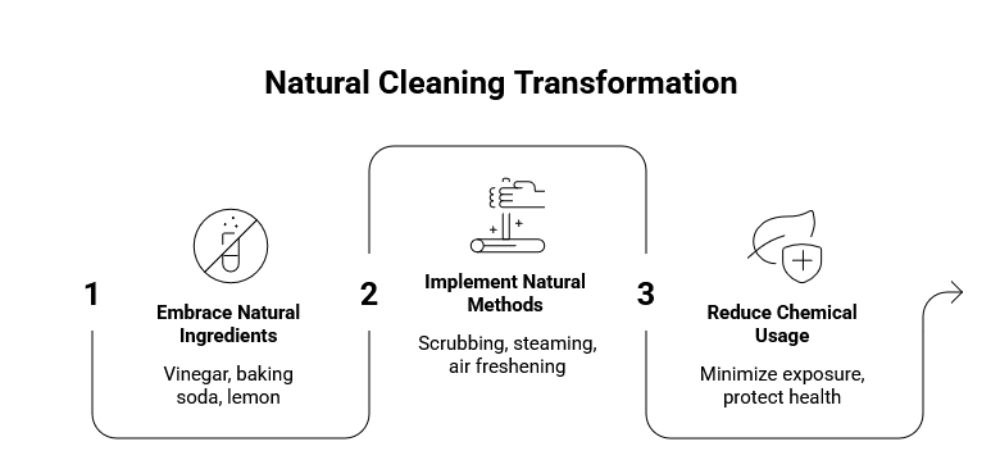
Cleaning smarter, not harder, makes a real difference in how much dust returns after each session.
Damp Cloth Method Instead of Dry Dusting
Dry dusting often just moves particles into the air, where they resettle within minutes. Using a slightly damp microfiber cloth traps dust instead of scattering it, giving you a cleaner surface that stays cleaner longer.
Vacuum With a HEPA Filter
A vacuum with a HEPA filter captures fine particles instead of blowing them back into the room. Focus on carpets, rugs, upholstery, and even mattress surfaces where dust mites tend to gather.
Natural DIY Dusting Spray
A simple mixture of water, white vinegar, and a few drops of essential oil like lemon or lavender can act as a natural dusting spray. It cuts through grime without leaving behind harsh chemical residue.
Improve Indoor Air Quality Naturally
Reducing dust is closely tied to improving the overall air quality inside your home.
Add Air Purifying Plants
Certain houseplants such as spider plants, peace lilies, and snake plants help filter airborne particles naturally while adding a fresh, calming touch to your interior.
Keep Humidity Balanced
Dust mites thrive in overly dry or overly humid environments. Keeping indoor humidity in a moderate, balanced range makes your home less hospitable to these microscopic pests.
Change Air Filters Consistently
Whether it is your air conditioning unit or heating system, filters should be checked and cleaned regularly. Clogged filters circulate more dust instead of trapping it.
Smart Habits for Long Term Dust Control
Building small daily habits prevents dust from piling up again after a deep clean.
Declutter Often
Fewer items on shelves and countertops mean fewer surfaces for dust to settle on. A simplified space is naturally easier to keep dust free.
Wash Bedding Frequently
Bedding collects dead skin cells and dust mites faster than most other fabrics in the home. Washing sheets, pillowcases, and blankets in hot water on a regular basis keeps this buildup under control.
Close Windows During High Pollen Seasons
While fresh air is wonderful, keeping windows closed during dry, windy, or high pollen days can prevent a fresh wave of dust and allergens from entering your home.
Conclusion
Learning to dust proof your home naturally is less about one big cleaning session and more about consistent, mindful habits. From grooming pets and using doormats to switching to damp dusting methods and adding air purifying plants, small changes add up to a noticeably cleaner and healthier living space. With a little consistency, you can enjoy a home that stays fresher for longer, naturally.
Frequently Asked Questions
How can I dust proof my home naturally without chemicals?
You can reduce dust naturally by using doormats, grooming pets regularly, dusting with a damp microfiber cloth, vacuuming with a HEPA filter, and adding air purifying plants to your living space.
Why does my house get dusty so fast?
Homes get dusty quickly due to fabric fibers, pet dander, outdoor debris tracked indoors, dead skin cells, and poor air circulation, especially in closed or rarely ventilated rooms.
What household items collect the most dust?
Curtains, rugs, upholstered furniture, bookshelves, and bedding tend to collect the most dust because their fibers trap tiny particles that resettle when disturbed.
Do air purifying plants really reduce dust?
Yes, certain plants like spider plants, snake plants, and peace lilies can help filter airborne particles and improve overall indoor air quality, which indirectly reduces visible dust.
How often should I dust my home to keep it naturally clean?
Dusting once or twice a week using a damp cloth, along with regular vacuuming and decluttering, is usually enough to keep dust levels naturally low in most homes.