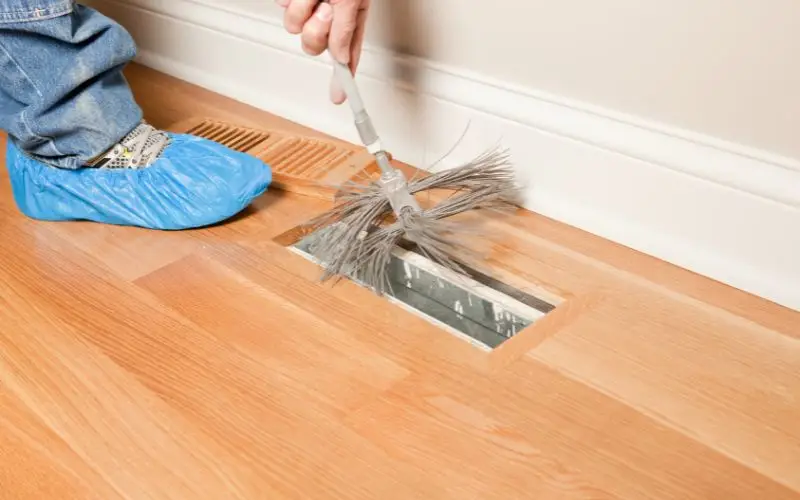
Establishing a house cleaning schedule is fundamental to maintaining a tidy and organized living environment. A well-structured residential cleaning routine not only enhances the aesthetic appeal of a home but also contributes significantly to the overall health and well-being of its inhabitants. Regular home cleaning services help eliminate dust, allergens, and bacteria that can accumulate over time, thereby reducing the risk of respiratory issues and other health problems.
Moreover, a cleaning schedule instills a sense of discipline and responsibility, making it easier for individuals and families to manage their time effectively. In addition to health benefits, a cleaning schedule can also lead to increased productivity. When tasks are clearly outlined and scheduled, individuals can allocate specific times for cleaning, which minimizes procrastination and the overwhelming feeling that often accompanies a cluttered space.
This structured approach allows for a more efficient use of time, as individuals can focus on completing tasks without the distraction of an untidy environment. Furthermore, having a cleaning schedule can foster a sense of accomplishment; crossing off completed tasks can provide motivation and encourage individuals to maintain their efforts in keeping their spaces clean.
Key Takeaways
- A cleaning schedule is important for maintaining a clean and organized home
- Daily cleaning tasks such as making the bed and doing the dishes help keep the home tidy
- Weekly cleaning tasks like vacuuming and mopping are essential for maintaining cleanliness
- Monthly cleaning tasks such as cleaning the refrigerator and washing windows help prevent buildup of dirt and grime
- Seasonal cleaning tasks like deep cleaning carpets and organizing closets help keep the home in top condition
- Staying organized is key to maintaining a cleaning schedule and keeping the home clean
- Creating a family cleaning plan can help distribute tasks and make cleaning a team effort
- Hiring professional help for deep cleaning or specialized tasks can save time and ensure a thorough job
Daily Cleaning Tasks
Daily cleaning tasks are essential for maintaining a baseline level of cleanliness in any home. These tasks typically include activities such as making the bed, washing dishes, wiping down kitchen counters, and sweeping or vacuuming high-traffic areas. By incorporating these small yet impactful tasks into a daily routine, individuals can prevent dirt and clutter from accumulating, which can lead to larger cleaning projects down the line.
For instance, making the bed each morning sets a positive tone for the day and creates an immediate sense of order in the bedroom. Another critical daily task is managing laundry. By establishing a routine that includes sorting, washing, drying, and folding clothes on a daily basis or every other day, individuals can avoid the overwhelming pile-up of dirty laundry that often occurs when tasks are neglected.
Additionally, taking a few minutes each day to declutter surfaces—such as countertops, tables, and desks—can significantly enhance the overall appearance of a home. This practice not only keeps spaces looking tidy but also makes it easier to locate items when needed, reducing stress and frustration.
Weekly Cleaning Tasks
While daily tasks help maintain cleanliness, weekly cleaning tasks are necessary for deeper cleaning and organization. These tasks often include vacuuming carpets and rugs, mopping hard floors, dusting surfaces, and cleaning bathrooms. For example, dedicating time each week to thoroughly clean bathrooms can prevent the buildup of soap scum and mildew, which can be both unsightly and unhygienic.
A focused weekly cleaning session allows for more comprehensive attention to detail than daily tasks typically allow. In addition to these standard cleaning activities, weekly tasks can also include organizing specific areas of the home. For instance, setting aside time to declutter closets or pantry shelves can help maintain order and ensure that items are easily accessible.
This practice not only enhances the functionality of these spaces but also provides an opportunity to assess what items are truly needed and what can be donated or discarded. By incorporating organization into weekly cleaning routines, individuals can create a more harmonious living environment that reflects their lifestyle and preferences.
Monthly Cleaning Tasks
| Task | Frequency | Time Required |
|---|---|---|
| Dusting | Weekly | 1 hour |
| Vacuuming | Weekly | 30 minutes |
| Mopping | Bi-weekly | 45 minutes |
| Bathroom Cleaning | Weekly | 1 hour |
| Kitchen Cleaning | Bi-weekly | 1.5 hours |
Monthly cleaning tasks delve even deeper into home maintenance and often include activities that are not part of the daily or weekly routines. These tasks may involve cleaning appliances such as the refrigerator, oven, and microwave; washing windows; or dusting ceiling fans and light fixtures. For example, cleaning out the refrigerator on a monthly basis allows individuals to discard expired items and maintain an organized food storage system.
This not only promotes food safety but also encourages healthier eating habits by making fresh produce more visible and accessible. Another important monthly task is inspecting and maintaining household systems such as HVAC filters or smoke detectors. Regularly changing air filters can improve indoor air quality and enhance the efficiency of heating and cooling systems.
Similarly, testing smoke detectors ensures that they are functioning properly in case of an emergency. By incorporating these maintenance tasks into a monthly cleaning schedule, homeowners can proactively address potential issues before they escalate into costly repairs or safety hazards.
Seasonal Cleaning Tasks
Seasonal cleaning tasks provide an opportunity for thorough deep-cleaning efforts that go beyond regular maintenance routines. These tasks often align with changes in weather and can include activities such as decluttering outdoor spaces in spring or preparing homes for winter by checking insulation and sealing drafts. For instance, spring cleaning is a well-known tradition that encourages individuals to tackle areas that may have been neglected during the year.
This might involve deep-cleaning carpets, washing curtains, or organizing storage areas like attics or basements. In addition to spring cleaning, fall is an ideal time to prepare homes for colder months by ensuring that heating systems are functioning efficiently and that gutters are cleared of debris. Seasonal tasks may also include rotating seasonal clothing in closets or swapping out summer decor for autumn-themed items.
By aligning cleaning efforts with seasonal changes, individuals can create a more comfortable living environment while also ensuring that their homes are well-maintained throughout the year.
Tips for Staying Organized
Creating a Cleaning Calendar
One effective strategy is to create a visual cleaning calendar that outlines daily, weekly, monthly, and seasonal tasks. This calendar can be displayed prominently in the home or maintained digitally on a smartphone or computer for easy access.
Prioritizing Tasks
By having a clear visual representation of what needs to be done and when, individuals can better prioritize their time and stay accountable to their cleaning goals. Another helpful tip is to break larger tasks into smaller, manageable steps. For example, instead of viewing the task of cleaning an entire room as overwhelming, individuals can focus on one section at a time—such as decluttering a single shelf or dusting one corner before moving on to another area.
Utilizing Tools for Efficiency
This approach not only makes tasks feel less daunting but also allows for progress to be made even when time is limited. Additionally, utilizing tools such as checklists or apps designed for task management can further enhance organization and efficiency in maintaining a clean home.
Creating a Family Cleaning Plan
Involving family members in the cleaning process can foster teamwork and ensure that responsibilities are shared equitably among all household members. To create an effective family cleaning plan, it is essential to communicate openly about expectations and assign specific tasks based on each person’s strengths and preferences. For instance, younger children may enjoy tidying up toys or helping with dusting, while older family members might take on more complex tasks like vacuuming or bathroom cleaning.
Establishing a family meeting to discuss the cleaning plan can also be beneficial in promoting collaboration and accountability. During this meeting, family members can review the cleaning schedule together, discuss any challenges they may face in completing their assigned tasks, and brainstorm solutions as a team. Additionally, incorporating incentives—such as rewards for completing chores or family outings as a reward for maintaining cleanliness—can motivate everyone to contribute positively to the household’s upkeep.
Hiring Professional Help
While many individuals find satisfaction in maintaining their own homes through regular cleaning schedules, there are times when hiring professional help may be necessary or beneficial. Professional cleaning services can provide expertise in deep-cleaning tasks that may be challenging for homeowners to tackle on their own due to time constraints or physical limitations. For example, professional cleaners often have access to specialized equipment and products that can effectively remove stubborn stains or allergens from carpets and upholstery.
Moreover, hiring professionals can free up valuable time for individuals who may have busy schedules or other commitments that make it difficult to maintain a consistent cleaning routine. This allows homeowners to focus on other priorities while still ensuring that their living spaces remain clean and inviting. When considering professional help, it is essential to research reputable cleaning services in the area and read reviews from previous clients to ensure quality service.
Ultimately, whether through self-cleaning efforts or professional assistance, maintaining a clean home is an achievable goal with the right strategies in place.
FAQs
What is a residential cleaning schedule?
A residential cleaning schedule is a plan that outlines the cleaning tasks that need to be done in a home on a regular basis. It helps homeowners stay organized and ensure that all areas of the home are consistently cleaned.
Why is a residential cleaning schedule important?
A residential cleaning schedule is important because it helps homeowners maintain a clean and healthy living environment. It also helps to distribute cleaning tasks evenly and prevent the buildup of dirt and grime in the home.
What are some common tasks included in a residential cleaning schedule?
Common tasks included in a residential cleaning schedule may include vacuuming, dusting, mopping, cleaning bathrooms, kitchen cleaning, changing bed linens, and decluttering.
How often should a residential cleaning schedule be followed?
The frequency of a residential cleaning schedule can vary depending on the size of the home, the number of occupants, and individual cleaning preferences. However, a general guideline is to perform daily, weekly, monthly, and seasonal cleaning tasks.
What are the benefits of following a residential cleaning schedule?
Following a residential cleaning schedule can help maintain a clean and organized home, reduce stress, improve indoor air quality, and create a more pleasant living environment for the occupants. It can also help prevent the spread of germs and bacteria.