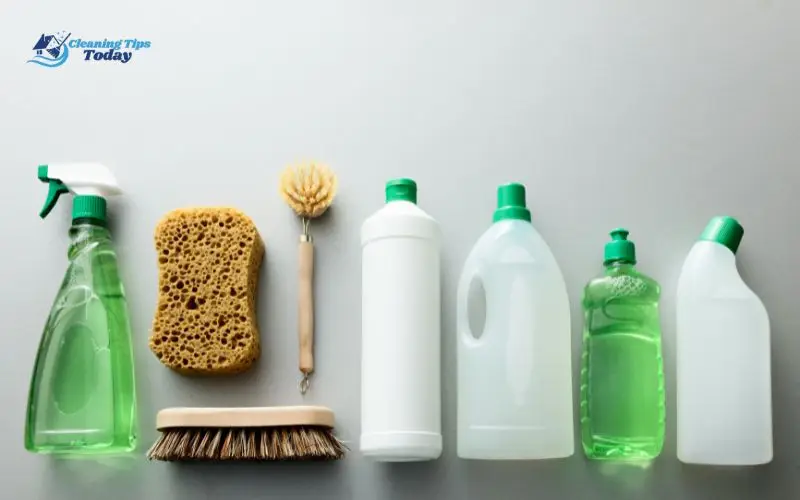
In recent years, the movement towards eco-friendly cleaning has gained significant momentum, driven by a growing awareness of environmental issues and the impact of traditional cleaning products on both health and the planet.
Eco-friendly cleaning refers to the use of products and practices that are safe for the environment, human health, and indoor air quality.
This approach emphasizes the use of biodegradable ingredients, non-toxic substances, and sustainable practices that minimize waste and pollution.
As consumers become more conscious of their choices, eco-friendly cleaning has emerged as a viable alternative to conventional cleaning methods that often rely on harsh chemicals. The shift towards eco-friendly cleaning is not merely a trend; it reflects a fundamental change in how we perceive cleanliness and its relationship with our environment. Traditional cleaning products often contain synthetic chemicals that can be harmful to both users and the ecosystem.
- Key Takeaways
- Benefits of Eco-Friendly Cleaning Products
- Homemade Cleaning Solutions
- Choosing Eco-Friendly Cleaning Brands
- Eco-Friendly Cleaning Tools and Equipment
- Tips for Reducing Waste While Cleaning
- Eco-Friendly Cleaning Practices for Different Surfaces
- Eco-Friendly Laundry Tips
- Eco-Friendly Cleaning in the Kitchen
- Eco-Friendly Cleaning in the Bathroom
- Making the Switch to Eco-Friendly Cleaning
- FAQs
These substances can contribute to air and water pollution, as well as pose health risks such as respiratory issues and skin irritations. In contrast, eco-friendly cleaning products harness the power of natural ingredients, offering effective cleaning solutions without compromising safety or sustainability. This article delves into the myriad benefits of eco-friendly cleaning, practical homemade solutions, and tips for adopting greener practices in various aspects of household cleaning.
Key Takeaways
- Eco-friendly cleaning products are better for the environment and your health, as they are made with natural and non-toxic ingredients.
- Using homemade cleaning solutions can be cost-effective and reduce the use of harmful chemicals in your home.
- When choosing eco-friendly cleaning brands, look for certifications such as USDA Organic, Green Seal, or EcoLogo to ensure their environmental claims are legitimate.
- Eco-friendly cleaning tools and equipment, such as microfiber cloths and reusable spray bottles, can help reduce waste and minimize environmental impact.
- To reduce waste while cleaning, consider using reusable cleaning cloths, repurposing old t-shirts as rags, and opting for concentrated cleaning products to minimize packaging waste.
Benefits of Eco-Friendly Cleaning Products
The advantages of using eco-friendly cleaning products extend beyond mere environmental considerations; they also encompass health benefits and economic savings. One of the most significant benefits is the reduction of harmful chemicals in the home. Many conventional cleaners contain volatile organic compounds (VOCs) that can evaporate into the air, leading to indoor air pollution.
Prolonged exposure to these chemicals can result in headaches, dizziness, and long-term respiratory problems. Eco-friendly products, on the other hand, are formulated with natural ingredients that are less likely to cause adverse health effects, making them a safer choice for families, especially those with children or pets. Moreover, eco-friendly cleaning products often boast superior biodegradability compared to their conventional counterparts.
This means that when these products are disposed of, they break down more easily in the environment, reducing their impact on landfills and waterways. For instance, many eco-friendly brands utilize plant-based surfactants and essential oils that decompose naturally, minimizing pollution and promoting a healthier ecosystem. Additionally, many eco-friendly products come in recyclable or compostable packaging, further contributing to waste reduction efforts.
By choosing these products, consumers not only protect their health but also play a crucial role in fostering a more sustainable future.
Homemade Cleaning Solutions
Creating homemade cleaning solutions is an empowering way to embrace eco-friendly practices while also saving money. Many common household ingredients can be combined to create effective cleaners that rival commercial products in performance. For example, a simple mixture of vinegar and water can serve as an all-purpose cleaner that effectively cuts through grease and grime.
Vinegar’s natural acidity helps dissolve mineral deposits and neutralize odors, making it an excellent choice for kitchen surfaces and bathrooms alike. Baking soda is another versatile ingredient that can be used in various homemade cleaning solutions. Its mild abrasiveness makes it ideal for scrubbing surfaces without scratching them.
A paste made from baking soda and water can tackle tough stains on countertops or sinks, while a sprinkle of baking soda in the refrigerator can help absorb unwanted odors. For those seeking a fresh scent in their cleaning routine, adding a few drops of essential oils such as lemon or lavender can enhance the experience while providing additional antibacterial properties. By experimenting with these simple ingredients, individuals can customize their cleaning solutions to suit their preferences while minimizing their environmental footprint.
Choosing Eco-Friendly Cleaning Brands
| Brand | Price | Ingredients | Sustainability |
|---|---|---|---|
| Seventh Generation | Plant-based | Uses 100% renewable energy | |
| Ecover | Biodegradable | Zero waste goal by 2020 | |
| Method | Non-toxic | Uses recycled plastic in packaging |
When selecting eco-friendly cleaning brands, it is essential to look for certifications and labels that indicate a commitment to sustainability and safety. Organizations such as Green Seal and EcoLogo provide third-party verification that products meet specific environmental standards. These certifications often consider factors such as ingredient safety, packaging sustainability, and overall environmental impact.
By choosing products with these labels, consumers can feel confident that they are making responsible choices. In addition to certifications, researching a brand’s transparency regarding its ingredients is crucial. Many reputable eco-friendly brands provide detailed information about their formulations on their websites or product labels.
This transparency allows consumers to make informed decisions about what they are bringing into their homes. Brands that prioritize sustainability often use renewable resources in their production processes and engage in ethical sourcing practices. For instance, companies like Seventh Generation and Ecover have built their reputations on creating effective cleaning products while maintaining a strong commitment to environmental stewardship.
Eco-Friendly Cleaning Tools and Equipment
The tools and equipment used for cleaning can also have a significant impact on sustainability efforts. Opting for reusable items instead of disposable ones is a key principle in eco-friendly cleaning practices. For example, microfiber cloths are an excellent alternative to paper towels; they are highly effective at trapping dust and dirt while being washable and reusable.
This not only reduces waste but also saves money over time since they can be used repeatedly. Additionally, investing in durable cleaning tools made from sustainable materials can further enhance eco-friendly cleaning efforts. For instance, brushes with bamboo handles or biodegradable sponges made from natural fibers are excellent choices that minimize plastic waste.
Furthermore, using refillable spray bottles for homemade cleaners or concentrated products reduces the need for single-use plastic containers. By carefully selecting cleaning tools that align with eco-friendly principles, individuals can create a more sustainable cleaning routine that contributes positively to the environment.
Tips for Reducing Waste While Cleaning
Reducing waste during the cleaning process is an essential aspect of adopting eco-friendly practices. One effective strategy is to declutter regularly; by minimizing the number of items in your home, you not only create a more organized space but also reduce the amount of cleaning required. Fewer items mean less dust accumulation and fewer surfaces to clean, ultimately leading to less waste generated from cleaning supplies.
Another practical tip is to repurpose items before discarding them. Old t-shirts can be transformed into cleaning rags, while glass jars can serve as storage containers for homemade cleaners or other household items. This approach not only extends the life of these materials but also reduces reliance on new products.
Additionally, when purchasing new cleaning supplies or tools, consider buying in bulk or choosing concentrated formulas that require less packaging. By being mindful of waste generation during the cleaning process, individuals can significantly lessen their environmental impact.
Eco-Friendly Cleaning Practices for Different Surfaces
Different surfaces require tailored cleaning approaches to ensure effectiveness while maintaining eco-friendliness.
For hard surfaces like tile or laminate flooring, a mixture of vinegar and water can be used as an effective cleaner that leaves floors sparkling without harmful residues.
The natural acidity of vinegar helps break down dirt and grime while being safe for most flooring materials.
For wooden surfaces, it is crucial to avoid excessive moisture that could damage the wood over time. A gentle solution made from olive oil and vinegar can be used to clean and condition wooden furniture while providing a natural shine. This combination not only cleans but also nourishes the wood, helping to maintain its integrity without resorting to chemical-laden polishes.
By understanding the specific needs of different surfaces, individuals can adopt eco-friendly practices that ensure cleanliness without compromising material longevity.
Eco-Friendly Laundry Tips
Laundry is another area where eco-friendly practices can make a significant difference in reducing environmental impact. One effective strategy is to wash clothes in cold water whenever possible; this not only saves energy but also helps preserve fabric quality over time. Many modern detergents are formulated to work effectively in cold water, making this practice both efficient and environmentally friendly.
Additionally, opting for natural laundry detergents made from plant-based ingredients can minimize exposure to harmful chemicals while being gentle on fabrics and skin. Brands like Biokleen and Molly’s Suds offer eco-conscious alternatives that deliver excellent cleaning power without synthetic fragrances or dyes. Furthermore, air-drying clothes instead of using a dryer can significantly reduce energy consumption while extending the life of garments by preventing wear from high heat.
Eco-Friendly Cleaning in the Kitchen
The kitchen is often considered the heart of the home but can also be a hotspot for chemical exposure due to conventional cleaners used on surfaces where food is prepared. To maintain an eco-friendly kitchen environment, consider using natural cleaners like baking soda for scrubbing sinks and countertops or lemon juice for cutting boards to eliminate bacteria naturally. When it comes to appliances like microwaves or ovens, a paste made from baking soda and water can effectively tackle tough stains without harsh chemicals.
Simply apply the paste, let it sit for a while, then wipe clean with a damp cloth for a sparkling finish. Additionally, using reusable cloths instead of disposable paper towels for kitchen clean-up not only reduces waste but also provides an effective means of maintaining cleanliness without contributing to landfill overflow.
Eco-Friendly Cleaning in the Bathroom
Bathrooms often require frequent cleaning due to moisture accumulation and potential mold growth; however, traditional bathroom cleaners can contain harsh chemicals that may pose health risks over time. A simple yet effective solution involves using a mixture of vinegar and baking soda to tackle soap scum and mildew buildup in showers and tubs. The fizzing reaction between these two ingredients helps lift grime while being safe for both users and plumbing systems.
For toilet cleaning, consider using a combination of baking soda and essential oils like tea tree oil or eucalyptus oil for their antibacterial properties. This natural approach not only cleans effectively but also leaves behind a pleasant scent without resorting to toxic chemical cleaners. By adopting these eco-friendly practices in the bathroom, individuals can create a healthier space while minimizing their environmental footprint.
Making the Switch to Eco-Friendly Cleaning
Transitioning to eco-friendly cleaning practices represents a significant step towards fostering a healthier home environment while contributing positively to the planet’s well-being. By embracing natural ingredients, reducing waste through mindful purchasing decisions, and selecting sustainable tools and brands, individuals can create an effective cleaning routine that aligns with their values regarding health and sustainability. The journey towards eco-friendly cleaning may require some adjustments initially; however, the long-term benefits—both for personal health and environmental preservation—are well worth the effort involved in making this important switch.
FAQs
What are green cleaning tips?
Green cleaning tips refer to using environmentally friendly and non-toxic cleaning products and methods to clean and maintain a space. These tips aim to reduce the use of harsh chemicals that can be harmful to both the environment and human health.
Why is green cleaning important?
Green cleaning is important because it helps to minimize the impact of cleaning activities on the environment and reduces exposure to potentially harmful chemicals. It also promotes a healthier indoor environment for occupants.
What are some common green cleaning products?
Common green cleaning products include vinegar, baking soda, lemon juice, hydrogen peroxide, and castile soap. These natural ingredients are effective for cleaning and disinfecting without the use of harsh chemicals.
How can I make my own green cleaning products?
You can make your own green cleaning products by combining natural ingredients such as vinegar, baking soda, and essential oils. There are many DIY recipes available online for making eco-friendly cleaning solutions.
What are some green cleaning methods?
Green cleaning methods include using microfiber cloths, steam cleaning, and using reusable cleaning tools such as sponges and brushes. These methods help to reduce waste and minimize the use of disposable cleaning products.