You’ve probably got a box of it in your fridge right now, diligently working to absorb stale odors. But what if I told you that unassuming white powder, baking soda, is a secret weapon in your cleaning arsenal? It’s more than just a leavening agent; it’s a versatile, inexpensive, and remarkably effective cleaner for countless messes around your home. Forget those expensive, chemical-laden sprays and abrasive powders. Armed with a box of baking soda and a little know-how, you can tackle everything from stubborn grease to lingering odors with surprising ease. Let’s dive into the world of baking soda cleaning hacks that you absolutely should know.
Your kitchen is the heart of your home, but it’s also a prime location for grime and odors. From grease-slicked counters to perpetually damp sinks, keeping it sparkling can feel like a constant battle. That’s where baking soda steps in, ready to revitalize your kitchen’s most notorious problem areas.
Conquer Clogged and Smelly Drains
Let’s be honest, nobody enjoys dealing with a sluggish or foul-smelling drain. Whether it’s the kitchen sink after a greasy meal or the bathroom drain from accumulated hair, clogs are an inevitable frustration. Before you resort to harsh chemical drain cleaners that can damage your pipes and the environment, try this eco-friendly and highly effective baking soda solution.
The Boiling Water, Baking Soda, and Vinegar Trifecta
This is a classic for a reason. It’s a powerful three-pronged attack against blockages and odors. Start by carefully pouring a pot of boiling water down the drain. This alone can help to loosen some accumulated grease and grime. Immediately after, pour in about ½ cup of baking soda. Let it fizz and sit for a few minutes – you might even hear it working its magic. The baking soda will start to break down organic matter and deodorize. Then, comes the vinegar. Pour in about 1 cup of white vinegar. You’ll witness a vigorous foaming reaction as the baking soda and vinegar interact. This chemical reaction is what helps to dislodge stubborn clogs and scrub away residues inside the pipes. Let this mixture sit and work for at least 15-30 minutes, or even longer for tough clogs. Finally, flush the drain again with another pot of boiling water to wash away all the loosened debris. Repeat this process if necessary for significant blockages. It’s a gentle yet effective way to keep your drains flowing freely and smelling fresh.
Sparkling Sinks and Deodorized Spaces
Beyond the drains themselves, your sink basin can also become a breeding ground for minor grime and unpleasant odors. Forget those harsh scrubbing pads that can scratch your surfaces. A simple paste of baking soda and water can work wonders.
The Gentle Scrub for Pristine Sinks
For everyday cleaning of your sink – be it porcelain, stainless steel, or composite – a paste made from baking soda and a little water is your best friend. Mix baking soda with just enough water to form a thick, toothpaste-like consistency. Apply this paste to the surface of your sink, paying attention to any stained areas or corners. Use a damp sponge or cloth to gently scrub the sink. The mild abrasiveness of the baking soda will lift away food particles, soap scum, and light stains without scratching. For an extra boost and a delightful citrus scent, consider adding a splash of lemon juice to your baking soda paste, or even rubbing a halved lemon directly onto the baking soda-coated sink before scrubbing. The lemon’s acidity aids in breaking down grime and leaves behind a fresh, natural fragrance. Rinse thoroughly with water and admire your sparkling, odor-free sink.
Revitalize Your Dishwasher
Is your dishwasher leaving your dishes not-quite-clean, or worse, emitting an unpleasant odor every time you open it? Don’t despair! Baking soda can work wonders to refresh and restore your dishwasher’s cleaning power.
The Two-Step Dishwasher Refresh
This method is excellent for tackling lingering odors and ensuring a more thorough clean. Start by running your empty dishwasher with a cup of white vinegar in the rinse aid compartment or on the bottom rack. This vinegar cycle helps to break down mineral deposits, grease, and any lingering food particles, acting as a pre-cleaner and deodorizer. Once the vinegar cycle is complete and the dishwasher is empty, sprinkle about ½ cup of baking soda directly onto the bottom of the dishwasher drum. Make sure it’s spread out as much as possible. Then, run a regular hot wash cycle. The baking soda will help to neutralize any remaining odors and provide a gentle scrubbing action, leaving your dishwasher smelling fresh and your dishes cleaner.
The Overnight Odor Eliminator
If your primary concern is a persistent odor emanating from your dishwasher, a simpler, albeit longer, method exists. Simply place about 1 cup of dry baking soda inside your empty dishwasher. Close the door and let it sit overnight. The baking soda will passively absorb any unpleasant smells. In the morning, just remove the baking soda and run your dishwasher as usual. This is a passive, yet incredibly effective way to keep your dishwasher smelling fresh between deeper cleans.
Bathroom Brilliance: Showers, Toilets, and Beyond
The bathroom is another area of the house that requires consistent attention to cleanliness and hygiene. From hard water stains in the shower to soap scum buildup, these are all areas where baking soda can shine.
Descaling Stubborn Showerheads
A clogged or limescale-covered showerhead is more than just unsightly; it can significantly reduce water pressure and water flow, making your shower experience far less enjoyable. Those tiny holes become blocked with mineral deposits, primarily calcium and magnesium, making cleaning a tedious task.
The Overnight Soak for a Pristine Showerhead
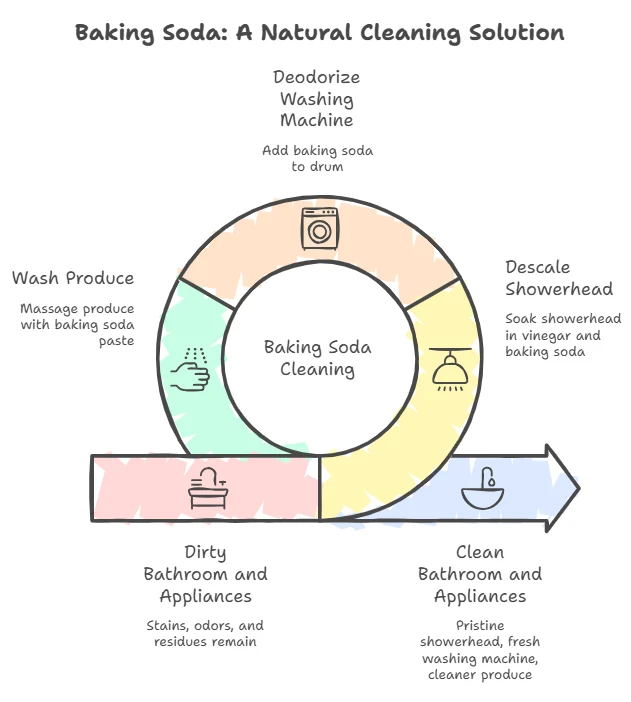
This is arguably the most effective way to tackle a grimy showerhead without rigorous scrubbing or specialized tools. You’ll need a resealable plastic bag (a gallon-sized zip-top bag works perfectly), about ⅓ cup of baking soda, and 1 cup of white vinegar. Pour the vinegar into the bag, then add the baking soda. The mixture will immediately start to fizz. Carefully place the bag over your showerhead, ensuring that the showerhead is fully submerged in the baking soda and vinegar solution. Use a rubber band or twist-tie to secure the bag around the showerhead’s arm. Leave the bag on overnight. The acidic nature of the vinegar combined with the alkaline buffering of the baking soda will work together to dissolve the mineral deposits and break down any scum. In the morning, remove the bag, turn on the shower for a minute to rinse away loosened debris, and marvel at the improved water flow and pristine appearance of your showerhead.
Deodorizing and Deep Cleaning Your Washing Machine
Your washing machine is designed to get clothes clean, but it can sometimes become a source of unpleasant odors itself, especially if it’s not regularly cleaned or if you tend to wash damp laundry for too long.
The Baking Soda Boost for a Fresher Wash
Keeping your washing machine fresh and free of odor is crucial for ensuring your laundry always smells its best. The simplest way to do this is to add ½ cup of baking soda directly into the drum of your washing machine before starting a load. This can be done with an actual load of laundry or as a separate cleaning cycle using hot water. The baking soda helps to neutralize odors and acts as a gentle deodorizer. For a more thorough deep clean and to tackle any stubborn grime or soap scum buildup, you can combine the baking soda with vinegar. Add ½ cup of baking soda to the drum and pour about 1 cup of white vinegar into the detergent dispenser. Run the machine on a hot water cycle. The combination of baking soda’s alkaline properties and vinegar’s acidity creates a powerful cleaning and deodorizing effect, leaving your washing machine smelling fresh and functioning optimally.
A Natural Produce Wash
In today’s world, we’re increasingly conscious about what we consume, and that includes the produce we bring into our homes. While rinsing fruits and vegetables under plain water is standard, you might be surprised by the tiny amounts of dirt, pesticide residues, and other contaminants that can remain.
The Gentle Scrub for Cleaner Produce
Even after a good rinse, microscopic particles can cling to the surfaces of your fruits and vegetables. Baking soda offers a gentle yet effective solution to remove these stubborn residues. To create your produce wash, simply sprinkle a small amount of baking soda onto your hands, then add a splash of water to create a mild paste. Gently massage this paste onto the surface of your fruits and vegetables. For firmer produce like apples or potatoes, you can scrub a little more vigorously. For delicate items like berries, be extra gentle. The mild abrasiveness of the baking soda helps to lift away fine dirt, wax residues, and any other unwanted particles. Once you’ve massaged your produce, rinse it thoroughly under cool running water. You’ll be left with cleaner, brighter, and more hygienic fruits and vegetables, ready to be enjoyed.
Tackling Tough Stains and Grime with Baking Soda Pastes
Beyond everyday cleaning, baking soda truly shines when it comes to tackling stubborn stains and accumulated grime. Its unique properties allow it to act as a gentle abrasive, a deodorizer, and a stain remover, making it incredibly effective in paste form.
The All-Purpose Scrub Paste for Surfaces and Stains
When you encounter a stain that just won’t budge with regular cleaning methods, it’s time to bring out the baking soda paste. This versatile concoction can be used on a variety of surfaces and for a multitude of stains.
Crafting the Perfect Scrub Paste
The beauty of a baking soda scrub paste lies in its simplicity and adaptability. The base recipe is straightforward: mix baking soda with just enough water to create a thick paste, similar in consistency to toothpaste. This paste can then be applied directly to the stained area. Use a damp cloth or sponge to gently scrub the paste into the surface. Allow the paste to sit on the stain for a few minutes, or even longer for very stubborn marks, before wiping it away and rinsing the area clean.
The Grout Revitalizer: Baking Soda and Hydrogen Peroxide
For particularly tough grime and stains on grout lines, a more powerful paste can be created. If you’re battling dingy grout between tiles, mix baking soda with hydrogen peroxide instead of water. The hydrogen peroxide acts as a mild bleaching agent, enhancing the cleaning power of the baking soda. Apply this paste to the grout lines with an old toothbrush or a small cleaning brush. Gently scrub the grout, allowing the paste to work its magic. Let it sit for a few minutes before wiping it away and rinsing the area thoroughly. You’ll be amazed at how much brighter and cleaner your grout looks.
Restoring the Radiance of Your Oven and Stovetop
The kitchen is the heart of the home, but it can also be a battleground against grease, baked-on food, and spills. Your oven and stovetop, in particular, can accumulate some of the toughest grime.
The Overnight Oven Cleaning Miracle
Cleaning a greasy oven can feel like a monumental task. Many commercial oven cleaners are filled with harsh chemicals that require significant ventilation and protective gear. Fortunately, baking soda offers a safer and remarkably effective alternative for tackling oven grime. To create this powerful cleaning paste, mix approximately 1 cup of baking soda with about 2 tablespoons of dish soap. Aim for a spreadable paste consistency. Remove anything loose from your oven and spread this paste all over the interior surfaces, avoiding the heating elements. Pay extra attention to areas with heavy grease buildup or baked-on food. Once applied, close the oven door and let the paste work its magic overnight. The baking soda will absorb grease and lift baked-on residue, while the dish soap helps to break down fats. In the morning, use a damp cloth or sponge to wipe away the dried paste. You may need to use a plastic scraper for any particularly stubborn spots. Rinse the interior thoroughly with a clean, damp cloth. This method is incredibly effective at loosening grime, making it much easier to wipe away, and it leaves your oven cleaner without the harsh chemical fumes.
Tackling Stovetop Stains with Ease
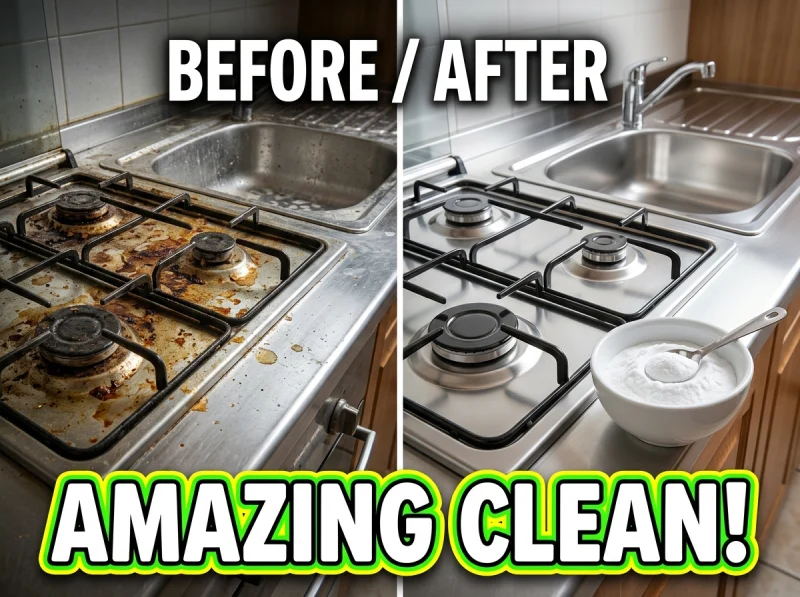
Your stovetop is another area that can quickly become a mess, especially after cooking. Greasy splatters, burned-on food, and water spots can all mar its appearance. For everyday stovetop cleaning and for tackling moderate stains, the same baking soda and water paste or a slightly more concentrated version can be used.
The Paste for Stubborn Spots
If you have baked-on food or stubborn grease on your stovetop, create a thicker baking soda paste with a little water. Apply this paste directly to the affected areas. For glass-top stoves, be sure to use a soft cloth and avoid abrasive scrubbing to prevent scratches. Let the paste sit for a while – the longer, the better for tough spots. Then, gently scrub with a damp sponge or microfiber cloth. Rinse thoroughly and buff dry for a sparkling clean surface.
Revitalizing Upholstery and Carpets: Odor Elimination at Its Finest
Lingering odors in your home can be a real challenge. Whether it’s pet smells, cooking odors, or general staleness, these scents can make your living spaces feel less inviting. Baking soda is a natural and highly effective odor absorber.
The Upholstery Deodorizer for Fresher Spaces
Carpets and upholstery are notorious for trapping odors. Spilled drinks, pet accidents, or simply general wear and tear can lead to a less-than-fresh home. Baking soda is a miracle worker for these situations. Simply sprinkle a generous amount of baking soda directly onto your carpet or upholstery. Use a stiff brush to gently work the baking soda into the fibers. The finer the brush, the better it will get into the carpet pile or fabric weave. Let the baking soda sit on the surface overnight, or for at least a few hours. During this time, the baking soda will actively absorb and neutralize any unpleasant odors from deep within the fibers. In the morning, vacuum up the baking soda thoroughly. You should notice a significant difference in the freshness of your room. For particularly strong odors, you may need to repeat the process.
Making Your Tapware Shine
Water spots and dull tapware can bring down the shine of your entire bathroom or kitchen. While specialized cleaners exist, a simple baking soda solution can restore that brilliant gleam.
The Paste for Gleaming Fixtures
For water spots and dullness on chrome or stainless steel tapware, a simple paste is all you need. Mix about 3 tablespoons of baking soda with 1 tablespoon of water to create a paste. Apply this paste to the taps with a soft cloth. Gently rub the paste over the tapware, focusing on areas with water marks or dullness. The mild abrasiveness of the baking soda will gently buff away the mineral deposits and grime, restoring the shine. Rinse the taps thoroughly with water and buff dry with a clean, soft cloth for a dazzling finish.
Beyond the Basics: Other Brilliant Baking Soda Hacks
The versatility of baking soda extends far beyond the areas already mentioned. Its unique properties make it an indispensable tool for a surprising range of cleaning challenges.
Tackling Oil Stains on Clothes
Accidents happen, and an oil stain on your favorite garment can be a frustrating discovery. Don’t panic; baking soda can be your secret weapon for pre-treating these stubborn stains.
The Stain-Busting Pre-Treatment
For fresh oil stains on clothing, act quickly. Blot up as much of the excess oil as possible with a clean cloth or paper towel. Then, sprinkle a generous amount of baking soda directly onto the oil stain. The baking soda will help to absorb the oil. For tougher stains, you can also mix baking soda with a little dish soap to create a more potent pre-treatment paste. Apply this paste to the stain and let it sit for at least 15 minutes, or longer for very set-in stains. The dish soap helps to break down the oil, while the baking soda absorbs it. After the soaking period, wash the garment as you normally would, preferably in hot water if the fabric allows. Check the stain before drying; if it’s still visible, repeat the process.
Gentle Scrub for Pots and Pans
For non-stick cookware or delicate pots and pans that can be scratched by harsher abrasives, baking soda offers a gentle cleaning solution.
The Soothing Scrub for Cookware
If you have baked-on food on your pots and pans, or just want to give them a good clean without risking damage, a baking soda paste can be extremely effective. Mix baking soda with water to form a paste and apply it to the inside of the pan. Let it sit for a while to loosen any stubborn bits. Then, gently scrub with a sponge or cloth. For tougher jobs, you can add a little dish soap to the paste. Rinse thoroughly, and your cookware will be clean and free of residue.
Deodorizing Your Refrigerator Beyond the Box
While keeping an open box of baking soda in your fridge is a staple, you can also use baking soda for a deeper clean of its interior.
A Fresh Start for Your Fridge
Empty your refrigerator of all food items. Mix a solution of about 1 cup of baking soda with a gallon of warm water. Use a sponge or cloth dipped in this solution to wipe down all interior surfaces – shelves, drawers, walls, and door seals. Baking soda is excellent at not only cleaning but also neutralizing any stale odors that may have lingered. After wiping down, rinse all surfaces with a clean, damp cloth to remove any baking soda residue. Replace your shelves and drawers, and then you can place your food back in. For ongoing odor control, consider leaving an open box of baking soda in the fridge, replacing it every three months.
Exfoliating Your Skin (with caution!)
While this is venturing slightly beyond home cleaning, it’s worth noting that baking soda can be used as a gentle exfoliant for the skin.
A Natural Exfoliant
For a simple DIY facial or body scrub, mix baking soda with water to create a paste. Gently massage this paste onto your skin in circular motions, avoiding the delicate eye area. The fine granules of baking soda can help to slough off dead skin cells, revealing smoother, softer skin. Rinse thoroughly with water. Important Note: Baking soda is alkaline, and while beneficial for some, it can be drying or irritating for certain skin types. It’s always wise to do a patch test on a small area of skin before applying it to your whole face or body, and use it sparingly.
You’ve just unlocked a wealth of cleaning secrets, all powered by that humble box of baking soda. From clearing stubborn drain clogs and banishing oven grease to refreshing your laundry and making your tapware gleam, baking soda is a true cleaning chameleon. Its affordability, accessibility, and eco-friendly nature make it a superior choice for countless household tasks. So, next time you find yourself faced with a cleaning challenge, remember the power of the powder. You’ve got this, armed with nothing more than a box of baking soda and the hacks you’ve just learned.
FAQs
What are some common uses for baking soda in cleaning?
Baking soda can be used to clean and deodorize various surfaces in the home, including kitchen appliances, countertops, sinks, and bathroom fixtures. It can also be used to remove odors from carpets, upholstery, and laundry.
How does baking soda work as a cleaning agent?
Baking soda is a mild abrasive that can help to scrub away dirt and grime. It also has natural deodorizing properties, making it effective at neutralizing odors.
Can baking soda be used to clean tough stains?
Yes, baking soda can be used to tackle tough stains on surfaces such as countertops, sinks, and stovetops. When combined with other cleaning agents such as vinegar or hydrogen peroxide, it can be even more effective at removing stubborn stains.
Are there any surfaces that should not be cleaned with baking soda?
Baking soda is generally safe to use on a wide variety of surfaces, but it may be too abrasive for delicate materials such as marble or certain types of wood. It’s always best to test a small, inconspicuous area before using baking soda on a new surface.
What are some safety precautions to keep in mind when using baking soda for cleaning?
While baking soda is non-toxic and generally safe to use, it’s important to avoid inhaling large amounts of the powder, as it can be irritating to the respiratory system. It’s also a good idea to wear gloves when using baking soda for cleaning to protect your skin.