Maintaining cleanliness in a commercial environment is essential for productivity, professionalism, and health. However, cleaning commercial spaces—whether offices, warehouses, or retail environments—comes with its own set of hazards. To ensure the well-being of custodial staff and other employees, adhering to proper commercial cleaning safety tips is crucial.
- Why Commercial Cleaning Safety Matters
- General Safety Guidelines for Commercial Cleaning
- Chemical Safety Tips
- Equipment Handling and Safety
- Slip, Trip, and Fall Prevention
- Ladder and Height Safety
- Safe Lifting and Manual Handling
- Biohazard and Contamination Safety
- Regular Training and Communication
- Emergency Preparedness
- Final Thoughts
- FAQs
From chemical handling to equipment use, safety protocols should be at the forefront of every cleaning routine. In this guide, we’ll explore key commercial cleaning safety practices that every facility should adopt to prevent injuries and maintain a secure work environment.
Why Commercial Cleaning Safety Matters
Commercial cleaning tasks often involve slippery floors, heavy equipment, ladders, and hazardous chemicals. Without adequate precautions, workers are at risk for slips, chemical burns, and even long-term health issues due to exposure.
Risks of Poor Safety Practices
- Slip and fall accidents on wet floors or cluttered walkways
- Respiratory problems from inhaling chemical fumes
- Skin irritation due to contact with cleaning agents
- Muscle strain from improper lifting techniques
- Electrical hazards when using powered cleaning tools
Proper training and adherence to safety protocols not only protect workers but also improve efficiency and reduce liability for businesses.
General Safety Guidelines for Commercial Cleaning
Before diving into specific tips, it’s important to understand a few general safety principles that apply to all types of commercial cleaning jobs.
Use Personal Protective Equipment (PPE)
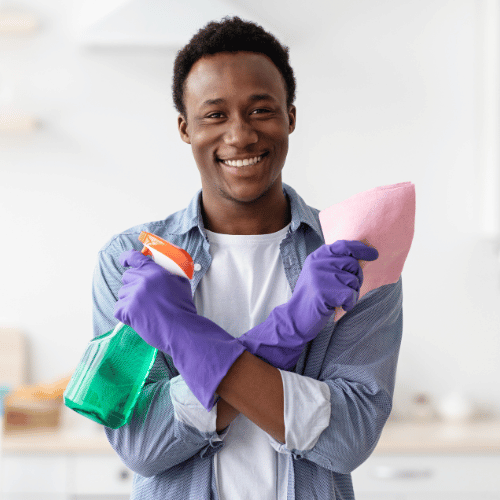
Always wear the appropriate PPE, which may include:
- Gloves
- Safety goggles
- Non-slip shoes
- Face masks or respirators
- Aprons or coveralls
This helps prevent exposure to harmful chemicals, reduces the risk of injury, and protects against infectious materials.
Read and Follow Safety Data Sheets (SDS)
Every cleaning product should come with an SDS outlining proper use, hazards, first aid instructions, and storage requirements. Ensure all staff are trained to interpret and use these sheets correctly.
Maintain Good Ventilation
Proper airflow is essential when working with chemical-based cleaners. Use fans or open windows where possible, and avoid using strong chemicals in confined, unventilated areas.
Chemical Safety Tips
Cleaning chemicals are among the most common sources of workplace injuries. To use them safely, follow these best practices.
Never Mix Cleaning Chemicals
Combining products like bleach and ammonia can release toxic gases. Always use chemicals as directed and never experiment with combinations.
Store Chemicals Properly
Keep all chemicals in clearly labeled, original containers. Store them in a secure, well-ventilated area away from food, heat sources, and direct sunlight.
Follow Dilution Instructions
Using more product than recommended doesn’t mean better cleaning—it can result in harmful fumes or surface damage. Stick to the manufacturer’s dilution guidelines.
Equipment Handling and Safety
Commercial cleaning often involves heavy-duty tools and machines, such as floor scrubbers, polishers, and vacuums. Mishandling these tools can result in serious injuries.
Inspect Equipment Before Use
Before starting, check that machines are in good working order. Look for frayed cords, loose parts, or signs of wear. Report and repair issues immediately.
Unplug Before Maintenance
Never attempt to fix or clean a powered machine while it’s still plugged in. Always disconnect it from the power source first.
Keep Cords and Hoses Out of Walkways
Avoid creating trip hazards by organizing cords and hoses neatly. Use warning signs or cord covers in areas with heavy foot traffic.
Slip, Trip, and Fall Prevention
Slips and trips are among the most common accidents in commercial cleaning. Fortunately, they are highly preventable.
Use Wet Floor Signs
Always place caution signs near wet areas or where cleaning is in progress. This alerts others to the hazard and reduces the risk of falls.
Clean Up Spills Immediately
Don’t leave puddles or leaks unattended. Even a small spill can result in a dangerous fall if not addressed quickly.
Wear Slip-Resistant Footwear
All cleaning staff should wear shoes designed to grip wet or greasy surfaces to maintain stability during work.
Ladder and Height Safety
Tasks like dusting vents or washing high windows require elevation. Improper use of ladders is a frequent cause of injury.
Choose the Right Ladder
Use a ladder that’s appropriate for the height and location. Never substitute with unstable surfaces like chairs or boxes.
Maintain Three Points of Contact
When climbing or descending a ladder, always have two hands and one foot—or two feet and one hand—in contact with the ladder.
Position Ladders Securely
Place ladders on level ground and ensure the base is stable. Avoid setting them up near doors or in high-traffic areas unless barriers are in place.
Safe Lifting and Manual Handling
Commercial cleaners often move equipment, trash bins, and furniture. Using correct lifting techniques can prevent strains and back injuries.
Lift with Your Legs, Not Your Back
Keep your back straight and bend your knees when lifting. Hold objects close to your body and avoid twisting while carrying loads.
Ask for Help with Heavy Items
Team lifting is safer and reduces the risk of muscle strain. If something feels too heavy or awkward, request assistance.
Use Mechanical Aids
Whenever possible, use dollies, carts, or other lifting aids to transport heavy or bulky items.
Biohazard and Contamination Safety
Some commercial environments, such as medical offices or industrial facilities, may present biohazard risks. Cleaning in these settings requires extra precautions.
Use Color-Coded Tools
Color-coded mops, cloths, and buckets help prevent cross-contamination between areas like restrooms, kitchens, and general spaces.
Dispose of Sharps Properly
In facilities with needles or broken glass, dispose of sharps in designated containers. Never attempt to pick them up bare-handed.
Disinfect Frequently Touched Surfaces
High-touch areas like doorknobs, elevator buttons, and phones should be disinfected regularly using approved antimicrobial products.
Regular Training and Communication
Ongoing training is key to maintaining a safe cleaning environment. Even experienced cleaners can benefit from periodic refreshers on safety practices.
Hold Safety Meetings
Regular team meetings allow workers to discuss hazards, share experiences, and review new protocols.
Encourage Incident Reporting
Create a culture where staff feel comfortable reporting near-misses or unsafe conditions. This helps prevent future accidents.
Update Procedures as Needed
Review and revise safety protocols based on new equipment, updated regulations, or changes in the facility layout.
Emergency Preparedness
Even with the best precautions, emergencies can happen. Being prepared can reduce panic and protect lives.
Know the Location of Emergency Equipment
Ensure all staff know where to find:
- Fire extinguishers
- First aid kits
- Eye wash stations
- Emergency exits
Train Staff on Response Protocols
Provide training on what to do in case of chemical spills, fire, injury, or other emergencies. Clear instructions save time and prevent confusion.
Final Thoughts
Safety in commercial cleaning should never be an afterthought. By following these commercial cleaning safety tips, businesses can create a secure environment for their cleaning staff and anyone who enters the premises. From proper chemical handling and equipment usage to fall prevention and emergency preparedness, each tip contributes to a safer, more efficient workplace.
Investing in safety not only protects people—it also enhances productivity, professionalism, and long-term success in the cleaning industry.
FAQs
What are the most common hazards in commercial cleaning?
The most common hazards include slips and falls, chemical exposure, improper equipment use, lifting injuries, and biohazard contact. These risks can be minimized with proper training, PPE, and adherence to safety protocols.
Why is PPE important in commercial cleaning?
Personal Protective Equipment (PPE) protects cleaners from chemicals, infectious agents, and physical injuries. Items like gloves, masks, goggles, and slip-resistant footwear help prevent accidents and long-term health issues.
Can I mix different cleaning chemicals for better results?
No. Mixing chemicals—especially bleach with ammonia or acids—can release toxic fumes and cause serious health risks. Always follow the manufacturer’s instructions and avoid combining products.
How often should cleaning staff receive safety training?
Staff should receive safety training upon hiring and regular refreshers throughout the year. Training should also be updated whenever new equipment or procedures are introduced.