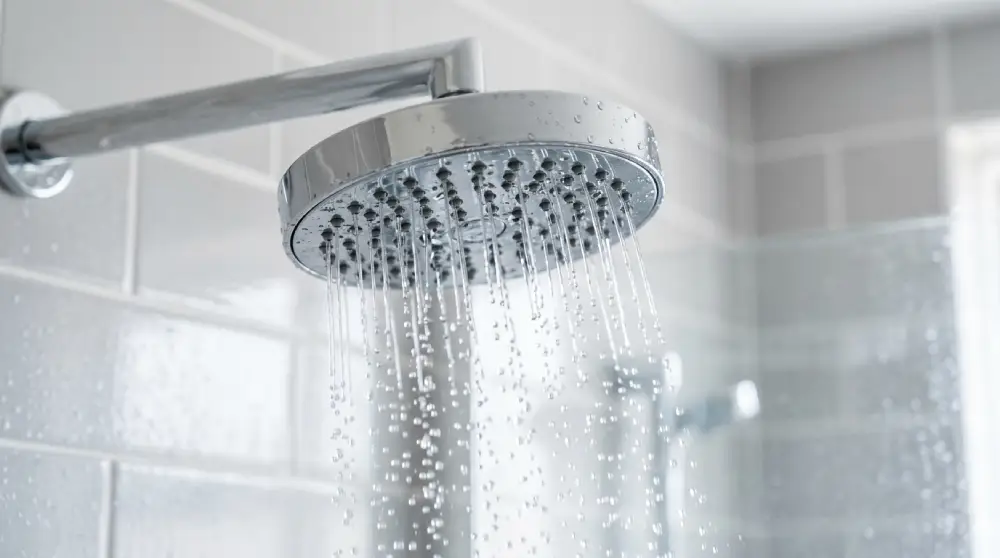
If you want to learn how to clean shower head with vinegar, you are in the right place. Over time, hard water leaves mineral deposits inside the tiny nozzles of your shower head, causing weak water pressure and uneven spray patterns. Vinegar is a natural, safe, and effective way to dissolve this buildup and restore your shower head to working condition without harsh chemicals.
- Why Your Shower Head Needs Regular Cleaning
- Why Vinegar Works So Well for Shower Head Cleaning
- Things You Need Before You Start
- How to Clean Shower Head with Vinegar
- How to Clean a Fixed or Rainfall Shower Head
- How Often Should You Clean Your Shower Head
- Tips to Keep Your Shower Head Cleaner for Longer
- Common Mistakes to Avoid
- Conclusion
- Frequently Asked Questions
Why Your Shower Head Needs Regular Cleaning
Every time water passes through your shower head, it leaves behind trace minerals like calcium and magnesium. These minerals gradually harden and clog the small holes that control water flow.
Signs of a Clogged Shower Head
A few common signs tell you it is time for a cleaning session. Water may spray unevenly or shoot out at odd angles. Pressure might feel noticeably weaker than before. You may also notice a chalky white residue building up around the nozzles.
Why Vinegar Works So Well for Shower Head Cleaning
Vinegar contains acetic acid, which naturally breaks down mineral deposits and limescale. It is gentle enough not to damage most shower head finishes, yet powerful enough to dissolve tough buildup. It is also inexpensive, easy to find, and completely free of harsh fumes.
Things You Need Before You Start
Cleaning your shower head with vinegar does not require any special tools. You will need white distilled vinegar, a plastic bag or a bowl, a rubber band or twist tie, an old toothbrush, and a soft cloth for wiping down surfaces afterward.
How to Clean Shower Head with Vinegar
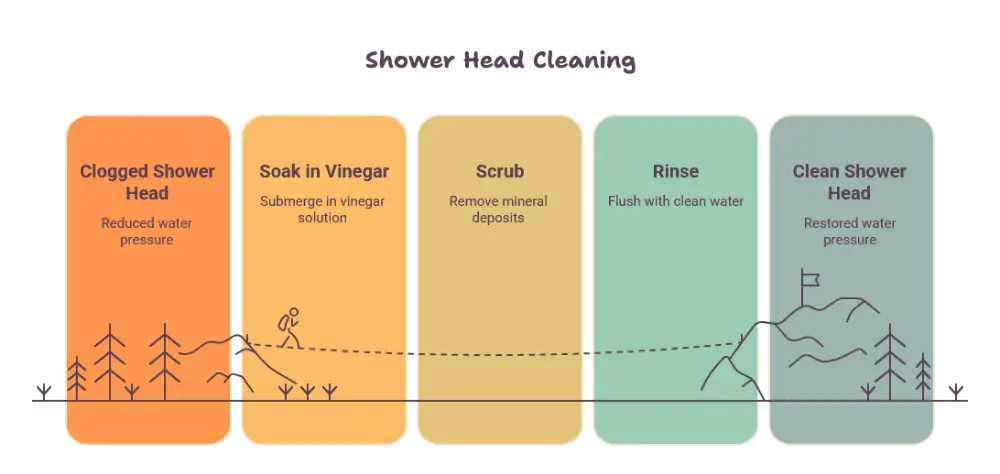
There are a few simple methods you can use depending on whether your shower head is removable or fixed in place.
Method One: Soaking the Shower Head in a Bag
This is the easiest approach and works well if you do not want to remove the shower head. Fill a plastic bag with white vinegar, enough to fully submerge the shower head nozzles. Slide the bag over the shower head and secure it tightly with a rubber band so vinegar does not leak out.
Let it soak for at least thirty minutes. For heavier buildup, leave it overnight. Once the soaking time is done, remove the bag and turn on the water to flush out loosened debris. Wipe the surface clean with a soft cloth.
Method Two: Removing the Shower Head for a Deep Soak
If your shower head is removable, you can get an even deeper clean. Unscrew the shower head from the pipe using your hands or a wrench if needed. Place it in a bowl filled with white vinegar so it is completely covered.
Allow it to soak for about an hour. Stubborn stains may need a longer soak of several hours. Afterward, rinse it thoroughly under running water and reattach it to the shower arm.
Method Three: Cleaning Individual Nozzlescountertops
For extra stubborn clogs, an old toothbrush can help you scrub each nozzle individually after soaking. Dip the toothbrush in vinegar and gently scrub around each hole to loosen any remaining mineral deposits. Rinse well when finished.
How to Clean a Fixed or Rainfall Shower Head
Rainfall shower heads and other fixed styles often cannot be removed easily. In this case, the bag soaking method works best. Simply secure a vinegar filled bag around the head and let it work its magic. For wide rainfall heads, you may need a larger bag or container to cover the entire surface evenly.
How Often Should You Clean Your Shower Head
The right cleaning frequency depends on your water hardness. Homes with hard water should aim to clean the shower head every month. If your water is naturally softer, cleaning once every two to three months is usually enough to keep things flowing smoothly.
Tips to Keep Your Shower Head Cleaner for Longer
Wiping down your shower head after each use helps prevent mineral buildup from settling in. Using a water softener can also reduce how quickly limescale forms. Turning on the exhaust fan or opening a window during showers helps reduce moisture and mineral residue in the bathroom overall.
Common Mistakes to Avoid
Avoid mixing vinegar with bleach, since this creates dangerous fumes. Do not use undiluted vinegar on shower heads with a delicate finish like brushed nickel or oil rubbed bronze for extended periods, as it may dull the surface over time. Always rinse thoroughly after soaking so no vinegar smell lingers.
Conclusion
Cleaning your shower head with vinegar is one of the simplest ways to restore strong water pressure and keep your bathroom fixtures looking their best. With just a bag, some white vinegar, and a little patience, you can dissolve mineral buildup naturally and enjoy a refreshing shower again. Making this a regular part of your bathroom care routine will help your shower head last longer and perform better every single day.
Frequently Asked Questions
Can I use apple cider vinegar instead of white vinegar to clean my shower head?
White vinegar is recommended because it is clear and will not stain your fixtures. Apple cider vinegar can leave a residue or slight discoloration on lighter finishes.
How long should I soak my shower head in vinegar?
Thirty minutes is usually enough for light buildup, while heavier limescale may need several hours or an overnight soak for the best results.
Is vinegar safe for all shower head finishes?
Vinegar is generally safe for most finishes, but prolonged exposure can dull certain delicate coatings such as brushed nickel or oil rubbed bronze, so rinse promptly after soaking.
What should I do if vinegar alone does not remove the clogs?
You can gently scrub the nozzles with an old toothbrush after soaking, or use a thin pin to carefully clear any remaining blocked holes.
How can I prevent mineral buildup in the future?
Wiping your shower head dry after each use and installing a water softener can significantly slow down mineral deposits from forming again.