The cleaning industry has witnessed a remarkable transformation in recent years, thanks to the integration of advanced technologies. From robotic cleaners to AI-powered management systems, these innovations are streamlining operations, enhancing efficiency, and reshaping the landscape of professional cleaning services. Businesses and consumers alike are benefiting from these advancements, which are not only improving cleaning outcomes but also making the process more sustainable and cost-effective. Here, we explore how technology is driving change in the cleaning industry and what it means for its future.
Key Trends Shaping the Cleaning Industry
Robotics and Automation
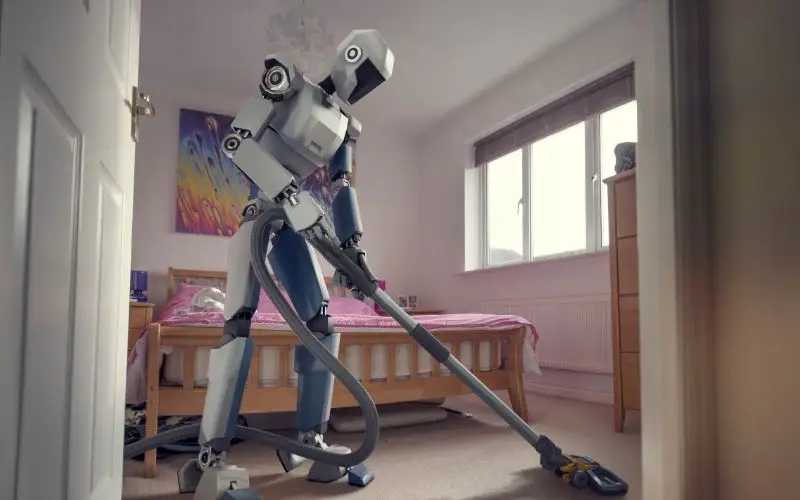
One of the most visible trends in the cleaning industry is the rise of robotics and automation. Robotic vacuum cleaners, scrubbers, and even window washers are becoming commonplace in both residential and commercial settings. These devices are equipped with advanced sensors and navigation systems, enabling them to clean efficiently without human intervention. For instance, robotic floor scrubbers can clean large areas like shopping malls or airports, reducing labor costs and improving cleaning consistency.
Artificial Intelligence (AI) and Data Analytics
AI is transforming how cleaning companies manage their operations. Smart cleaning systems equipped with AI can monitor cleaning performance, predict maintenance needs, and even optimize cleaning schedules. Data analytics further enhances this capability by providing actionable insights. For example, facilities managers can analyze data on high-traffic areas to prioritize cleaning efforts, ensuring optimal resource allocation.
IoT-Enabled Cleaning Devices
The Internet of Things (IoT) is another game-changer in the cleaning industry. IoT-enabled devices, such as smart soap dispensers and trash cans, can communicate in real-time, alerting cleaning staff when supplies are low or when bins need emptying. This not only improves efficiency but also ensures a higher level of hygiene and customer satisfaction.
Green Cleaning Technology
Sustainability is a growing concern across industries, and the cleaning sector is no exception. Advances in green cleaning technology, such as eco-friendly cleaning solutions and energy-efficient machines, are reducing the industry’s environmental footprint. Automated systems are also helping to minimize water and chemical usage, further promoting sustainable practices.
Cloud-Based Management Systems
Cloud-based platforms are revolutionizing the way cleaning businesses operate. These systems enable real-time communication, task scheduling, and performance tracking, all accessible from any device. For professional cleaning services, this means greater operational transparency and better client relationships.
Benefits of Technology in Cleaning
Enhanced Efficiency
With automation and AI, cleaning tasks that once took hours can now be completed in a fraction of the time. This allows cleaning companies to take on more clients without compromising service quality.
Cost Savings
Although the initial investment in advanced cleaning technology can be high, the long-term savings are significant. Reduced labor costs, optimized resource usage, and improved maintenance efficiency contribute to overall cost reductions.
Improved Hygiene Standards
Technologies like UV-C light sanitizers and electrostatic sprayers are setting new benchmarks for cleanliness. These innovations are particularly valuable in healthcare and food service industries, where hygiene is paramount.
Sustainability
Energy-efficient machines and eco-friendly cleaning solutions are helping businesses meet their sustainability goals. IoT-enabled devices also reduce waste by providing real-time feedback on resource usage.
Challenges in Adopting Cleaning Technology
High Initial Costs
Investing in advanced cleaning technology can be expensive, making it challenging for small businesses to adopt these innovations.
Training and Skill Development
With new technologies come the need for specialized skills. Cleaning staff must be trained to operate and maintain these advanced systems, which can be time-consuming and costly.
Integration Issues
Integrating new technologies with existing systems can pose challenges, particularly for businesses with outdated infrastructure.
Future Outlook
The future of the cleaning industry is undoubtedly tech-driven. Emerging technologies like autonomous drones for cleaning skyscrapers and AI-powered air quality monitoring systems are set to further revolutionize the sector. As these innovations become more accessible and affordable, we can expect a broader adoption across all market segments.
Conclusion
In conclusion, The integration of advanced technologies in the cleaning industry is transforming operations, offering increased efficiency, cost savings, and improved hygiene standards. Robotics, AI, IoT-enabled devices, and green cleaning solutions are helping businesses streamline processes, reduce labor costs, and meet sustainability goals. Despite challenges such as high initial investment and training requirements, the long-term benefits make adoption worthwhile. As technology continues to advance, the cleaning industry is poised for further innovation, leading to a more efficient, sustainable, and cost-effective future that benefits both businesses and consumers.
Frequently Asked Questions
What is the role of robotics in the cleaning industry?
Robotics plays a significant role by automating repetitive tasks like vacuuming and floor scrubbing. This not only reduces labor costs but also improves cleaning efficiency and consistency.
How does AI improve cleaning services?
AI enhances cleaning services by optimizing schedules, monitoring performance, and providing data-driven insights. This ensures efficient resource allocation and better cleaning outcomes.
What are IoT-enabled cleaning devices?
IoT-enabled cleaning devices are smart tools that can communicate in real-time, such as soap dispensers and trash bins that alert staff when they need attention. These devices improve operational efficiency and hygiene.
Are green cleaning technologies effective?
Yes, green cleaning technologies are highly effective. They use eco-friendly materials and energy-efficient systems to deliver excellent cleaning results while minimizing environmental impact.
What challenges do businesses face in adopting cleaning technology?
Businesses face challenges such as high initial costs, the need for staff training, and integration issues with existing systems when adopting new cleaning technologies.