Maintaining a clean home is more than a matter of aesthetics. It directly impacts your health, mental clarity, and overall quality of life. Whether you are tackling everyday messes or preparing for a deep seasonal scrub, knowing the right professional cleaning tips can make all the difference. In this comprehensive guide, we bring you tried and tested techniques used by cleaning professionals to transform any space into a hygienic, fresh, and organized environment.
According to research supported by the University of Arizona Environmental Health Sciences, germs and bacteria on home surfaces can multiply rapidly if not addressed with consistent cleaning routines. Armed with the right knowledge, tools, and methods, you can eliminate harmful microorganisms and maintain a living space that truly supports your wellbeing.
- Why Professional Cleaning Methods Matter
- Essential Tools Every Home Cleaner Should Have
- Room by Room Professional Cleaning Tips
- Deep Cleaning Techniques Used by Professionals
- Natural Cleaning Solutions That Actually Work
- The Professional Cleaning Routine: Timing and Frequency
- Organization as an Extension of Cleanliness
- Common Cleaning Mistakes to Avoid
- Final Thoughts
- FAQs
Why Professional Cleaning Methods Matter
Most people clean regularly, yet many miss the critical areas where dirt, dust, and bacteria thrive. Professional cleaning goes beyond surface wiping. It involves systematic approaches, appropriate products for each surface, and a sequence that prevents cross-contamination.
The difference between casual cleaning and professional cleaning often comes down to three core principles: correct product selection, proper technique, and consistent routine. Professionals understand that using the wrong product on a surface can cause permanent damage, while using the right one with the proper method yields lasting results.
Professional cleaning is built on documented standards and best practices that prioritize both cleanliness and safety. Adopting even a few of these standards in your home routine can dramatically elevate your results.
Essential Tools Every Home Cleaner Should Have
Before diving into techniques, it is important to have the right equipment. Professional cleaners rely on a carefully curated set of tools to get the job done efficiently and effectively.
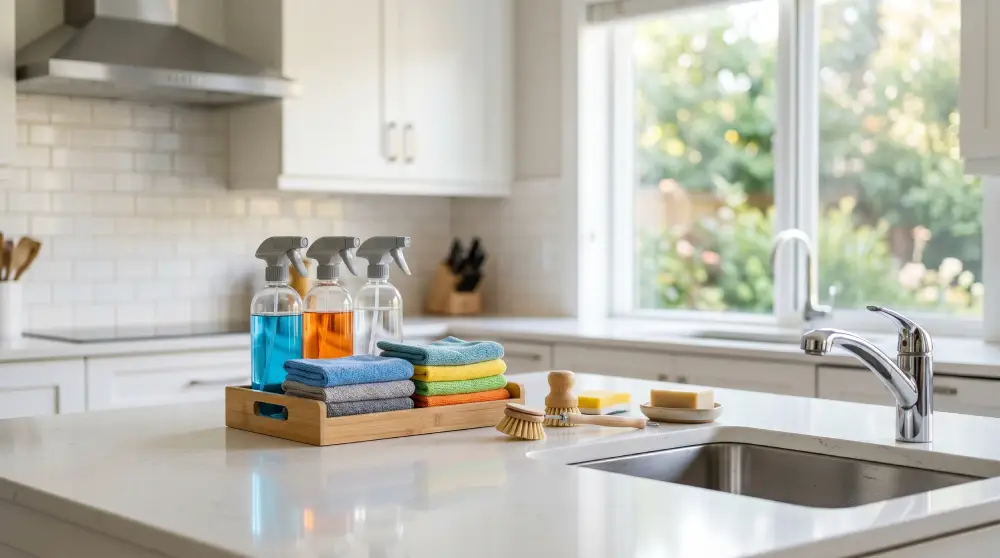
Microfiber cloths are the cornerstone of any professional cleaning kit. Unlike cotton rags, microfiber is capable of trapping microscopic particles, bacteria, and allergens rather than simply pushing them around. Research supported by UC Davis Environmental Health and Safety confirms that microfiber cleaning systems can reduce microbial contamination on surfaces by up to 99 percent when used correctly.
Other must-have tools include a high-quality vacuum with a HEPA filter, a mop with replaceable heads, a scrub brush set in varied sizes, a squeegee for glass and tile surfaces, and a caddy to keep your supplies organized and portable. Investing in quality tools is not an expense; it is a long-term saving in time, effort, and replacement products.
Room by Room Professional Cleaning Tips
The Kitchen: Heart of the Home, Hub of Bacteria
The kitchen is one of the most used and most contaminated spaces in any home. A professional approach to kitchen cleaning begins at the top and works downward, clearing surfaces before sanitizing them.
Start by decluttering countertops, then wipe them down with a multi-surface cleaner before applying a disinfectant. Pay particular attention to the area around the sink, the stovetop, and appliance handles, which are frequently touched zones. Clean the inside of your microwave weekly using a bowl of steaming water with lemon juice, which naturally loosens grime.
One often overlooked zone is the kitchen sponge. Studies have repeatedly shown that kitchen sponges harbor enormous quantities of bacteria. Replace sponges every one to two weeks and sanitize them daily by microwaving a damp sponge for 60 seconds.
Degreasing the stovetop and exhaust hood monthly prevents grease buildup that can become a fire hazard and a stubborn cleaning challenge. Use a dedicated degreaser product and allow it to sit for a few minutes before wiping away with a microfiber cloth.
The Bathroom: Sanitization and Shine
Bathrooms demand the highest level of disinfection in any home. A professional cleaning sequence for the bathroom begins with applying toilet bowl cleaner first so it can soak while you clean the rest of the room.
Next, spray the shower, bathtub, sink, and tile with an appropriate cleaner and allow it to dwell for several minutes. This contact time is critical for effective sanitization. While products are working, wipe down mirrors, light switches, and door handles.
Use a stiff-bristle brush to scrub grout lines, which accumulate mold and mildew over time. A paste made from baking soda and hydrogen peroxide applied to grout and left for 10 minutes before scrubbing is a natural yet powerful solution. Finish by scrubbing the toilet, including under the rim, and mop the floor with a disinfecting solution, working from the farthest corner toward the door.
The Bedroom: Clean Air, Better Sleep
Bedrooms collect significant amounts of dust, pet dander, and dead skin cells, all of which attract dust mites. According to the American Lung Association’s indoor air quality guidance, dust mites are a leading trigger of indoor allergies and asthma.
Professional cleaning of bedrooms starts with stripping and washing all bedding in hot water at least weekly. Vacuum the mattress using an upholstery attachment, then sprinkle baking soda over it and leave for 15 to 30 minutes before vacuuming again. This deodorizes and freshens the mattress naturally.
Dust surfaces from top to bottom, including ceiling fan blades, light fixtures, window sills, and furniture tops, before vacuuming the floor. Use a damp microfiber cloth to trap dust rather than dry dusting, which releases particles back into the air.
Deep Cleaning Techniques Used by Professionals

Deep cleaning goes beyond the weekly routine to address built-up grime, hidden dirt, and neglected spaces. Professionals recommend scheduling a thorough deep clean every three to six months, with more frequent attention to high-traffic areas.
Steam cleaning is one of the most effective deep-cleaning methods available. A steam cleaner uses high-temperature vapor to dissolve grease, sanitize surfaces, and eliminate bacteria and allergens without the need for harsh chemicals. It is highly effective on tile grout, upholstery, mattresses, and kitchen surfaces.
Another professional technique is the practice of cleaning inside appliances. Refrigerators should be emptied and fully wiped down monthly, with coils vacuumed twice a year. Washing machines benefit from a monthly hot-water cycle with white vinegar to eliminate mold and mineral deposits. Dishwashers should be cleaned with a dedicated cleaner or a cup of white vinegar in an empty cycle to remove grease and odors.
Natural Cleaning Solutions That Actually Work
Many professional cleaners have shifted toward environmentally friendly and naturally derived cleaning products. These solutions are safer for families, pets, and the environment while remaining highly effective.
White vinegar is a versatile natural cleaner with mild acidic properties that break down mineral deposits, grease, and soap scum. It works well on glass, tiles, and many hard surfaces. Baking soda acts as a gentle abrasive and deodorizer, making it ideal for sinks, tubs, and ovens. Lemon juice provides antibacterial properties and a fresh scent while cutting through grease effectively.
Mixing equal parts water and white vinegar in a spray bottle creates a multipurpose cleaner suitable for most kitchen and bathroom surfaces. Adding a few drops of tea tree essential oil boosts the antibacterial power of any homemade solution.
It is important to note that natural solutions are not appropriate for every surface. Vinegar should never be used on natural stone such as marble or granite, as its acidity can etch and permanently damage the surface.
The Professional Cleaning Routine: Timing and Frequency
One of the most valuable professional cleaning tips is to clean on a schedule rather than waiting until surfaces become visibly dirty. A structured routine prevents the buildup that makes cleaning harder and more time-consuming.
A practical professional schedule involves daily tidying of high-use areas such as kitchen counters and bathroom sinks, weekly cleaning of all rooms including vacuuming, mopping, and sanitizing bathrooms and kitchens, monthly attention to appliances, windows, and baseboards, and quarterly deep cleaning of all spaces including behind furniture, inside cabinets, and outdoor areas adjacent to the home.
Breaking cleaning into manageable tasks spread across the week prevents the overwhelming feeling of a whole-house cleanup and ensures no area is neglected for too long.
Organization as an Extension of Cleanliness
Professional cleaners understand that cleanliness and organization are inseparable. A cluttered space is not only harder to clean but also collects more dust and creates an environment that feels perpetually messy regardless of how often it is wiped down.
Adopt a place-for-everything mindset by designating specific storage for every item in your home. Use clear storage bins with labels in cabinets and closets. Regularly declutter by donating or discarding items that are no longer used, as fewer possessions mean fewer surfaces to collect dust.
Entryway organization is especially important for keeping outdoor dirt from spreading through the home. A well-organized entryway with designated shoe storage and coat hooks minimizes the amount of debris tracked through living spaces, reducing overall cleaning time significantly.
Common Cleaning Mistakes to Avoid
Even well-intentioned cleaners frequently make mistakes that reduce effectiveness or damage surfaces. Being aware of these pitfalls is itself one of the most actionable professional cleaning tips you can adopt.
Using too much product is among the most common errors. Excess cleaning solution leaves behind a residue that actually attracts more dirt over time. Always use the recommended amount and ensure surfaces are properly rinsed when required.
Cleaning windows on a sunny day causes streaks because the solution dries too quickly before it can be properly wiped away. Choose a cloudy day or clean windows in the early morning or late afternoon for streak-free results.
Ignoring cleaning tool maintenance is another mistake. A dirty mop or vacuum with a clogged filter simply redistributes dirt rather than removing it. Clean your cleaning tools regularly and replace components such as vacuum bags, filters, and mop heads according to manufacturer guidance.
Final Thoughts
Applying professional cleaning tips to your home routine is one of the most impactful investments you can make in your living environment. A clean home is not merely a visual achievement; it promotes physical health, reduces stress, and creates a space where focus and relaxation come naturally.
From selecting the right tools and understanding the correct sequence for each room, to adopting natural solutions and maintaining a consistent schedule, every element of professional cleaning is rooted in efficiency and effectiveness. Start with one room, build the habit, and progressively expand your approach across the entire home.
The difference between an average cleaning routine and a professional one is not the number of hours spent but the quality of the method applied. With the insights shared in this guide, you now have everything you need to clean smarter, not harder, and enjoy results that last.
FAQs
How often should I deep clean my home?
Professional cleaners recommend deep cleaning your home every 3 to 6 months. High-traffic areas like kitchens and bathrooms may require more frequent deep cleaning to prevent dirt, grease, and bacteria buildup.
Are natural cleaning products as effective as commercial cleaners?
Yes, many natural solutions such as white vinegar, baking soda, and lemon juice are highly effective for everyday cleaning. However, some surfaces and sanitation tasks may require specialized commercial disinfectants for best results.
Why are microfiber cloths better than regular cleaning cloths?
Microfiber cloths trap dust, dirt, bacteria, and allergens more effectively than traditional cotton cloths. They clean surfaces thoroughly without leaving lint behind and often require fewer cleaning chemicals.
What is the most common cleaning mistake homeowners make?
One of the most common mistakes is using too much cleaning product. Excess product can leave residue that attracts more dirt, making surfaces appear dirty again more quickly.
What is the best order to clean a room?
The professional method is to clean from top to bottom and from the farthest point toward the exit. Start with dusting high surfaces, then clean furniture and countertops, and finish with vacuuming or mopping the floors.