You’ve mastered the basics of cleaning. You’re efficient, thorough, and you know your way around a mop and bucket. But in the demanding world of professional cleaning, merely adequate isn’t enough. To truly excel, to stand out from the competition, and to deliver an unparalleled level of cleanliness, you need to delve into advanced techniques. This isn’t just about working harder; it’s about working smarter, utilizing cutting-edge technologies, and understanding the science behind sanitation.
Every surface in a commercial or residential space presents a unique challenge, demanding a tailored approach. Generic cleaning solutions and methods often fall short, leaving residues, causing damage, or failing to achieve optimal hygiene.
Advanced Floor Care Strategies
Floors are high-traffic areas and prone to a myriad of stains and wear. Your clients expect gleaming, damage-free surfaces.
Deep Cleaning for Resilient Flooring (Vinyl, Linoleum, VCT)
Beyond daily mopping, resilient floors require periodic deep cleaning to remove embedded dirt and restore their luster. This involves more than just a heavier-duty detergent. You’ll want to employ automatic scrubbers with specialized brushes or pads that can agitate the entire surface without causing marring. For heavily soiled areas or for stripping old wax, be prepared to use a rotary floor machine with appropriate stripping pads and a powerful low-foaming stripper diluted correctly. Always follow with a thorough rinsing and neutralization to ensure no sticky residue remains. For VCT, after stripping and rinsing, consider applying multiple thin coats of a high-solids floor finish for long-lasting protection and shine. This isn’t a quick spray-and-wipe; it’s a multi-step process that demands precision and patience.
Specialized Stone and Tile Care
Natural stone (marble, granite, travertine) and ceramic/porcelain tiles require delicate yet effective cleaning. Acidic cleaners can etch marble, and abrasive scrubbers can scratch granite.
- pH-Neutral Cleaners: For daily and routine cleaning of natural stone, you must use pH-neutral cleaners specifically designed for stone. These protect the delicate surface while effectively removing dirt.
- Grout Cleaning and Sealing: Grout lines are notorious for collecting dirt and mildew. Utilize specialized grout brushes or steam cleaners to agitate and lift embedded grime. For heavily stained grout, a mild, professional-grade alkaline cleaner may be necessary, followed by thorough rinsing. After cleaning, apply a high-quality grout sealer to protect against future staining and make routine cleaning easier.
- Polishing and Honing Stone: For dull or lightly scratched stone, you might offer polishing or honing services. This involves using specialized diamond pads and polishing compounds with a low-speed floor machine to restore the stone’s original sheen. This is a highly skilled task and requires specific training.
- Avoid Abrasives: For all stone and tile, avoid abrasive pads or cleaners that can scratch the surface or remove protective sealants.
Wood Floor Restoration and Maintenance
Hardwood floors add elegance but require careful handling. Scratches, dullness, and embedded dirt are common issues.
- Dust Mopping and Vacuuming: Daily, use a microfiber dust mop or a vacuum with a soft brush attachment to remove loose dirt and grit that can scratch the finish.
- pH-Neutral Wood Cleaners: Use only cleaning solutions specifically formulated for sealed hardwood floors. These are typically pH-neutral and won’t strip the finish or leave a residue. Apply sparingly with a damp (not wet) microfiber mop.
- Screen and Recoat: For floors that have dulled but are not deeply scratched, you can offer a “screen and recoat” service. This involves lightly abrading the existing finish with a fine screen pad and a rotary machine, and then applying a fresh coat of polyurethane. This is less invasive and costly than a full sanding and refinishing.
- Deep Cleaning for Engineered Wood: Engineered wood floors with a durable top coat can sometimes benefit from a gentle deep cleaning using specialized equipment designed to penetrate minor surface imperfections without damaging the core. This is not a common service but can differentiate you.
Advanced Upholstery and Textile Cleaning
Upholstery, carpets, and drapes can harbor allergens, odors, and deep-seated dirt. Standard vacuuming just won’t cut it for a truly clean and fresh environment.
Hot Water Extraction (Steam Cleaning)
This remains the gold standard for deep carpet and upholstery cleaning. However, advanced technicians understand the nuances.
- Pre-Conditioning: Before extraction, a suitable pre-spray (alkaline for synthetic, acidic for natural fibers) is applied to break down soils and loosen embedded dirt. Allow adequate dwell time based on the product and soiling level.
- Temperature and Pressure Control: Modern extractors allow for precise control over water temperature and pressure. High heat increases chemical reaction and emulsification, while appropriate pressure ensures effective rinsing without oversaturating the fibers. Understand the fiber type to avoid heat damage (e.g., some wools and delicates require lower temperatures).
- Efficient Extraction: Use overlapping passes and maintain a consistent speed to ensure maximum water and soil removal. Over-wetting can lead to longer drying times, mold growth, and re-soiling.
- Post-Cleaning Treatment: Apply a fabric protector (e.g., Scotchgard) to repel future spills and stains, and use air movers or fans to significantly reduce drying times.
Dry Cleaning and Low-Moisture Systems for Delicates
Not all fabrics can withstand hot water extraction. For delicate upholstery (silk, velvet, some cotton blends) or carpets where rapid drying is crucial, low-moisture or dry-cleaning methods are essential.
- Encapsulation Cleaning: This method uses a polymer-based cleaner that encapsulates dirt particles, which are then vacuumed away after drying. It’s excellent for maintenance cleaning and offers fast drying times.
- Bonnet Cleaning: A rotary machine with an absorbent pad (bonnet) impregnated with a cleaning solution agitates the carpet surface, transferring dirt to the pad. This is a low-moisture method often used for interim cleaning or high-traffic areas.
- Solvent-Based Dry Cleaning: For truly water-sensitive fabrics, specialized solvent-based solutions are applied and then extracted or blotted away. This requires excellent ventilation and specialized equipment due to the nature of the solvents. Always test in an inconspicuous area.
Spot and Stain Removal Expertise
Understanding different types of stains and the chemistry required to remove them is a critical advanced skill.
- Tannin Stains: (coffee, tea, wine) often require acidic spotters.
- Protein Stains: (blood, urine, food) typically respond to enzymatic or alkaline spotters.
- Grease and Oil Stains: necessitate solvent-based removers.
- Rust Stains: require specific rust removers containing oxalic acid or similar compounds.
- Never Rub: Always blot from the outside in to prevent spreading the stain and damaging the fibers. Identify the stain type before applying any solution.
Integrating Cutting-Edge Technologies
The cleaning industry is constantly evolving, with new technologies emerging that enhance efficiency, effectiveness, and safety. Embracing these innovations sets you apart.
Automated Cleaning Appliances
Robotics are no longer confined to manufacturing plants; they are making a significant impact in professional cleaning.
Robotic Vacuum Cleaners and Scrubbers
For large, open areas, robotic vacuums and scrubbers can significantly reduce labor costs and improve consistency.
- Programming and Mapping: Advanced robots can be programmed to map complex floor plans, navigate around obstacles, and clean according to schedules. This allows your team to focus on more intricate tasks.
- Sensor Technology: Modern robots feature advanced sensors (LiDAR, ultrasonic) to prevent collisions, detect dirt levels, and ensure thorough coverage.
- Integration with BMS: Some high-end models can integrate with Building Management Systems (BMS) for remote monitoring and control, providing real-time data on cleaning progress and battery life.
UV-C Disinfection Technology
Beyond chemical disinfection, UV-C light offers a powerful, chemical-free method for killing pathogens.
- Targeted Disinfection: Handheld UV-C wands can be used to disinfect high-touch surfaces (doorknobs, light switches, tabletops, keyboards) in healthcare settings, offices, and even homes.
- Room Decontamination Units: For larger spaces, mobile UV-C robots or fixed units can provide thorough air and surface disinfection, particularly critical in medical facilities or during outbreaks.
- Safety Protocols: UV-C light is harmful to human eyes and skin. Strict safety protocols, including signage and occupancy sensors, are essential when using these devices.
Advanced Chemical Management Systems
The days of guesswork with cleaning chemicals are over. Precision and safety are paramount.
Dilution Control Systems
Manual dilution often leads to inconsistent cleaning results, chemical waste, and potential safety hazards.
- Automated Proportioning: These systems automatically dilute concentrated cleaning chemicals to the precise ratio required, ensuring optimal performance and eliminating human error.
- Cost Savings: By preventing over-dilution, you reduce chemical consumption and save money over time.
- Safety Enhancements: Closed-loop systems minimize worker exposure to concentrated chemicals, enhancing safety.
Electrostatic Spraying Technology
For efficient and thorough disinfection of large, complex areas, electrostatic sprayers are a game-changer.
- Wrap-Around Effect: Electrostatic sprayers apply a positive charge to disinfectant droplets, causing them to cling to negatively charged surfaces, providing a uniform, 360-degree coverage, even on hard-to-reach areas.
- Reduced Product Usage: The efficiency of application often means less disinfectant is needed to cover a larger area.
- Faster Disinfection: This method can significantly reduce the time required to disinfect a space compared to traditional wipe-down methods.
Embracing Eco-Friendly & Sustainable Practices
In an increasingly environmentally conscious world, green cleaning isn’t just a trend; it’s an expectation. Professional cleaners must be at the forefront of sustainable practices.
Green Cleaning Product Selection
Moving beyond harsh chemicals is critical for both the environment and occupant health.
Certified Green Cleaners
Look for products certified by reputable organizations (e.g., Green Seal, EcoLogo, EPA Safer Choice). These certifications ensure products meet rigorous environmental and health standards.
- Biodegradable Formulas: Choose cleaners that break down safely in the environment.
- Low VOCs (Volatile Organic Compounds): Products with low VOCs improve indoor air quality and reduce respiratory irritants.
- Non-Toxic and Non-Corrosive: Prioritize products that are safer for your team and building occupants.
Microfiber Technology
Beyond traditional cotton rags, microfiber is a cornerstone of green cleaning.
- Superior Dirt and Bacteria Removal: Microfiber’s unique structure effectively traps dirt, dust, and even bacteria with just water, reducing the need for harsh chemicals.
- Durability and Reusability: High-quality microfiber cloths and mops are washable and reusable hundreds of times, reducing waste.
- Color-Coding Systems: Implement a color-coding system (e.g., blue for general surfaces, red for restrooms, yellow for patient rooms) to prevent cross-contamination.
Water and Energy Conservation
Sustainability extends beyond just the cleaning products; it encompasses your operational practices.
Water-Saving Equipment
Minimizing water usage is crucial for environmental responsibility and operational efficiency.
- High-Efficiency Floor Scrubbers: Many modern auto scrubbers feature precise water delivery systems and powerful vacuum recovery, significantly reducing water consumption compared to traditional mopping.
- Low-Flow Faucets and Nozzles: Ensure your facilities are equipped with water-saving fixtures where possible, and use trigger sprayers that control water output.
- Reusing Filtered Water: In some specialized applications, advanced filtration systems allow for the reuse of cleaning water, further reducing consumption.
Energy-Efficient Cleaning Equipment
Power consumption contributes to your environmental footprint and operating costs.
- Battery-Powered Equipment: Opt for battery-powered vacuums, scrubbers, and burnishers where possible. They eliminate trip hazards from cords, offer greater mobility, and are often more energy-efficient than corded alternatives.
- Automated Lighting Sensors: Ensure cleaning takes place in areas with adequate natural light or intelligent lighting systems that automatically turn off when areas are vacant.
- Regular Equipment Maintenance: Well-maintained equipment operates more efficiently, consuming less energy and extending its lifespan.
Advanced Disinfection and Sanitization Protocols
In a post-pandemic world, disinfection and sanitization are no longer supplemental services; they are fundamental. Professionals must understand the science and best practices.
Understanding Dwell Times and Contact Times
This is a critical, yet often overlooked, aspect of effective disinfection.
Following Manufacturer Instructions
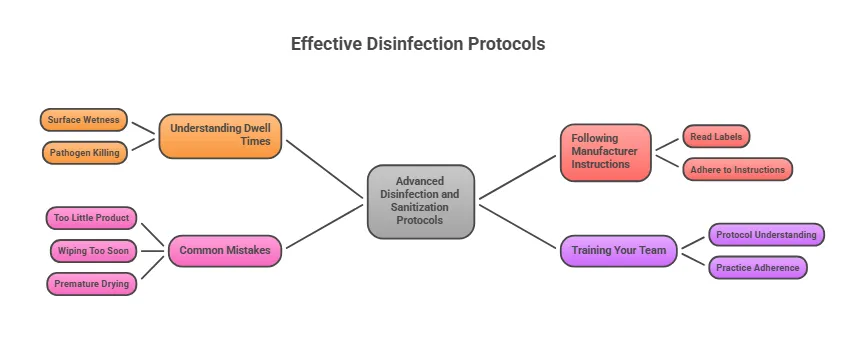
Every disinfectant has a specified “dwell time” or “contact time” – the amount of time the surface must remain visibly wet with the disinfectant to effectively kill listed pathogens.
- Read the Labels: You must meticulously read and adhere to the instructions on every disinfectant product.
- Common Mistakes: Applying too little product, wiping it off too soon, or allowing it to dry prematurely renders the disinfectant ineffective.
- Training Your Team: Ensure every member of your team understands and practices these crucial protocols.
Two-Step Cleaning and Disinfecting
For optimal pathogen removal, a two-step process is often recommended.
- Step 1: Cleaning: First, clean the surface to physically remove dirt, grime, and organic matter. Disinfectants are less effective when applied to dirty surfaces.
- Step 2: Disinfecting: After cleaning, apply the disinfectant, ensuring the specified dwell time is met. Some products are “one-step cleaner-disinfectants,” but even these benefit from initial gross soil removal.
Preventing Cross-Contamination
This is perhaps the most critical aspect of advanced cleaning in any professional setting, particularly in healthcare or food service.
Color-Coded Cleaning Tools
As mentioned previously, a rigorous color-coding system for microfiber cloths, mops, and other tools is non-negotiable.
- Dedicated Equipment: Assign specific colors to specific areas (e.g., red for restrooms, yellow for infectious zones, green for kitchens, blue for general surfaces) and ensure tools are never interchanged between these areas without proper decontamination.
- Visual Reinforcement: Use clear signage and consistent training to reinforce the color-coding system for all staff.
Proper Tool Maintenance and Decontamination
Cleaning tools themselves can become vectors for contamination if not properly handled.
- Launder High Heat: Microfiber cloths and mop heads should be laundered at high temperatures with appropriate detergents to effectively kill pathogens.
- Soak and Sanitize: Buckets, squeegees, and other reusable tools should be thoroughly cleaned and sanitized after each use, or at the end of each shift, using a suitable disinfectant.
- Disposable Options: For extremely high-risk areas (e.g., isolation rooms), consider using disposable cleaning cloths and mop pads to eliminate any risk of cross-contamination.
Professional Training & Certification
| Advanced Cleaning Methods for Professionals |
|---|
| 1. Ultrasonic Cleaning |
| 2. Dry Ice Blasting |
| 3. High-Pressure Water Jetting |
| 4. Electrostatic Disinfection |
| 5. HEPA Vacuuming |
Your skills are your livelihood. Continuous learning and official recognition elevate your professional standing.
Industry Certifications
Formal certifications demonstrate your commitment to excellence and adherence to industry best practices.
IICRC (Institute of Inspection, Cleaning and Restoration Certification)
For carpet, upholstery, and hard surface cleaning, IICRC certifications are highly regarded.
- Specialized Courses: Offer courses in carpet cleaning, commercial carpet maintenance, upholstery and fabric cleaning, water damage restoration, and more.
- Recognized Standards: IICRC certifications signify that you understand and apply industry-recognized standards and best practices.
- Increased Client Confidence: Clients, particularly in insurance and hospitality sectors, often look for IICRC-certified professionals.
ISSA (International Sanitary Supply Association)
ISSA offers a wide range of training and certification programs for the broader cleaning industry.
- Cleaning Management Institute (CMI): CMI certifications cover essential areas like custodial technician training, supervisor development, and specialized cleaning techniques.
- GBAC STAR Facility Accreditation: While for facilities, understanding the GBAC STAR program (Global Biorisk Advisory Council) equips you to implement the rigorous cleaning, disinfection, and infectious disease prevention protocols required by this prestigious accreditation. This is invaluable when working with clients seeking to achieve this standard.
Continuous Professional Development
The cleaning industry is dynamic. What was cutting-edge yesterday might be standard today.
Workshops and Seminars
Regularly attend industry workshops and seminars to stay abreast of new technologies, chemicals, and methodologies.
- Networking Opportunities: These events also provide invaluable opportunities to network with peers, share best practices, and learn from industry leaders.
- Demonstrations of New Equipment: Often, manufacturers will showcase their latest innovations, giving you a hands-on look at tools that could enhance your services.
Online Courses and Webinars
For busy professionals, online learning offers flexibility to upgrade skills.
- Specialized Topics: Many suppliers and industry associations offer webinars on specific topics like advanced stain removal, safe chemical handling, or specific equipment operation.
- Stay Informed: Follow industry publications and online forums to stay informed about regulatory changes, emerging health threats, and new product releases.
By consistently applying these advanced techniques, embracing technology, committing to sustainable practices, and relentlessly pursuing professional development, you will not only meet but exceed the expectations of your clients, establishing yourself as a true leader in the professional cleaning industry. Your expertise will shine through, delivering not just clean spaces, but healthier, safer, and more welcoming environments.
FAQs
What are some advanced cleaning methods for professionals?
Some advanced cleaning methods for professionals include steam cleaning, dry ice blasting, ultrasonic cleaning, and high-pressure water cleaning. These methods are effective for removing tough stains, grease, and grime from various surfaces.
How does steam cleaning work as an advanced cleaning method?
Steam cleaning uses high-temperature steam to break down and dissolve dirt, grime, and bacteria on surfaces. The steam is effective for cleaning and sanitizing without the need for harsh chemicals, making it an environmentally friendly option.
What is dry ice blasting and how is it used for cleaning?
Dry ice blasting involves shooting small pellets of dry ice at high speeds to clean surfaces. The rapid temperature change caused by the dry ice pellets helps to dislodge and remove dirt, grease, and other contaminants without leaving behind any residue.
How does ultrasonic cleaning work for professional cleaning purposes?
Ultrasonic cleaning uses high-frequency sound waves to create microscopic bubbles in a cleaning solution. These bubbles implode upon contact with the surface being cleaned, effectively removing dirt, grease, and other contaminants from intricate or delicate items.
What are the benefits of using high-pressure water cleaning as an advanced cleaning method?
High-pressure water cleaning, also known as pressure washing, is effective for removing stubborn dirt, grime, and mold from surfaces. It is versatile and can be used on a variety of surfaces, including concrete, metal, and wood, making it a popular choice for professional cleaning.