You operate a medical office, a place where individuals seek care and expect a sanctuary of health. The very foundation of trust your patients place in you is underscored by the environment you provide. Maintaining a meticulously clean and safe medical office isn’t merely a matter of aesthetics; it’s a critical component of patient care, staff well-being, and regulatory compliance. This guide outlines the essential steps and considerations for ensuring your practice upholds the highest standards of hygiene and safety.
Infection control is paramount in any medical setting. The pathogens that can thrive in uncontrolled environments pose significant risks to both your patients, who may be immunocompromised, and your staff. Adhering to stringent infection control protocols is not optional; it’s a fundamental requirement for delivering safe and effective healthcare.
Understanding the Fundamentals of Infection Prevention
You are expected to implement a comprehensive approach to infection prevention that addresses all potential transmission routes. This involves a deep understanding of how infectious agents spread and the mechanisms to interrupt those pathways.
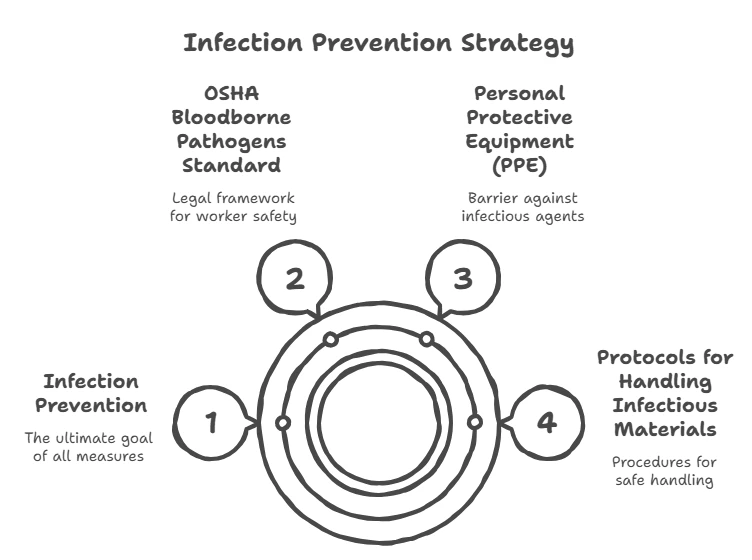
Implementing the OSHA Bloodborne Pathogens Standard
The Occupational Safety and Health Administration’s (OSHA) Bloodborne Pathogens Standard (1910.1030) is a cornerstone of worker protection in healthcare. You must ensure your office fully complies with its mandates, especially concerning the handling of infectious materials.
Mandating Personal Protective Equipment (PPE)
Compliance with the Bloodborne Pathogens Standard necessitates the mandatory use of appropriate Personal Protective Equipment (PPE). This includes, but is not limited to, gloves, gowns, and respirators. You are responsible for providing adequate PPE and ensuring your staff is trained on its correct usage, maintenance, and disposal. This isn’t just about having the equipment available; it’s about fostering a culture where its use is consistently prioritized.
Developing Protocols for Handling Infectious Materials
Beyond PPE, you need clearly defined protocols for the safe handling of all infectious materials. This encompasses procedures for sharps disposal, cleaning up spills of blood or other potentially infectious bodily fluids, and the decontamination of instruments and surfaces. These protocols should be readily accessible to all staff and regularly reviewed for effectiveness.
Adopting a Risk-Based Approach to Cleaning
Not all areas in your medical office present the same level of risk for pathogen transmission. A risk-based approach allows you to allocate resources effectively, focusing on the areas and surfaces that require the most attention.
Identifying High-Touch Surfaces
You must meticulously identify all high-touch surfaces within your practice. These are the points of contact that are frequently touched by both staff and patients, creating a direct pathway for pathogen transfer. This includes, but is not limited to:
- Reception Area: Countertops, chairs, door handles, pens, clipboards, and information pamphlets.
- Waiting Room: Armrests of chairs, toy bins (if applicable), and any shared reading materials.
- Exam Rooms: Exam table surfaces, bedrails, instrument trays, doorknobs, light switches, computer keyboards and mice, stethoscopes, blood pressure cuffs, and frequently used equipment controls.
- Restrooms: Faucets, toilet handles, door knobs, soap dispensers, and stall latches.
- Throughout the Office: Stair railings, elevator buttons, and common area door handles.
Implementing Systematic Cleaning Practices
Cleaning should not be a haphazard process. You must implement systematic cleaning practices to ensure thoroughness and efficiency.
Cleaning from High to Low
A fundamental principle of cleaning is to work from high areas to low areas. This prevents dirt and debris from falling onto already cleaned surfaces. For example, dust ceiling fixtures before wiping down walls, and clean countertops before mopping the floor. This methodical approach maximizes the effectiveness of your cleaning efforts and minimizes the need for re-cleaning.
Cleaning from Clean to Dirty Zones
Another critical aspect of systematic cleaning is to progress from cleaner areas to dirtier areas. This prevents the transfer of contaminants from less contaminated spaces to more contaminated ones. For instance, clean administrative areas before tackling the potentially more contaminated exam rooms or restrooms.
Selecting and Using EPA-Registered Disinfectants
The effectiveness of your disinfection against a broad spectrum of pathogens relies heavily on the products you choose and how you use them.
Ensuring EPA Registration
You must exclusively use disinfectants that are registered with the Environmental Protection Agency (EPA). The EPA evaluates these products for their efficacy against specific microorganisms. Look for the EPA registration number on the product label, which signifies that it has met the agency’s standards. Using unregistered or non-approved disinfectants can render your cleaning efforts ineffective and potentially pose health risks.
Understanding Dwell Times
Disinfectants require a specific amount of contact time with a surface to effectively kill pathogens. This is known as the dwell time. You must adhere to the manufacturer’s recommended dwell times for each disinfectant you use.
Achieving Recommended Dwell Times
The common recommendation for many EPA-registered disinfectants used in healthcare settings is a 5-10 minute dwell time. This means the surface must remain visibly wet with the disinfectant for that duration. You will need to integrate this into your cleaning routines, ensuring staff understand the importance of allowing the disinfectant to work. This might involve applying the disinfectant and allowing it to sit while other tasks are completed, or using techniques that maintain surface wetness for the required period.
Daily and Weekly Cleaning Protocols: Maintaining a Pristine Environment
A consistent cleaning schedule is essential for preventing the accumulation of pathogens and maintaining a healthy environment. This involves defining clear daily and weekly tasks, ensuring every area of your office receives the attention it requires.
Daily Cleaning Tasks: The Foundation of Hygiene
Your daily cleaning routine is the bedrock of your infection control strategy. These tasks are critical for immediately addressing contamination and preventing the spread of infection.
Disinfecting High-Touch Surfaces Daily
As previously identified, high-touch surfaces must be disinfected daily, without fail. This includes all countertops, doorknobs, light switches, and commonly used equipment. The rapid disinfection of these areas after each use or at the end of the day is crucial.
Sanitizing Exam Beds and Tools After Each Patient
It is imperative that exam tables, reusable instruments, and any equipment that comes into direct contact with a patient are thoroughly sanitized or disinfected after each individual use. This is a non-negotiable step that directly protects the next patient from potential cross-contamination.
Restroom Scrubbing: Top-to-Bottom
Restrooms are often breeding grounds for bacteria and viruses. Daily, you must ensure that all surfaces in patient and staff restrooms are scrubbed and disinfected, working systematically from the highest points down to the floors. This includes toilets, sinks, countertops, mirrors, and faucets.
Waste Disposal: Prompt and Proper Handling
Proper waste disposal is a critical component of daily cleaning. Infectious waste, sharps, and general trash all require distinct handling protocols.
Regulated Waste Management
You must have a robust system for managing regulated medical waste, which includes items contaminated with blood or bodily fluids, sharps, and pathological waste. This involves using designated, leak-proof containers, often color-coded for easy identification.
Utilizing Color-Coded Bins
Implementing a color-coded bin system is a best practice for segregating different types of waste. Red bins are typically used for biohazardous waste, yellow for pharmaceutical waste (depending on local regulations), and black for general refuse. Clear labeling and consistent training for staff on which bin to use for which type of waste are essential.
Weekly Deep Cleaning: Addressing Less Frequent but Important Tasks
While daily cleaning tackles immediate threats, weekly deep cleaning addresses areas that require more thorough attention or accumulate dirt and debris over a longer period.
Upholstery and Vent Cleaning
Carpets, upholstery, and air vents can harbor dust mites, allergens, and pathogens. Weekly or bi-weekly cleaning of these items, as recommended by the manufacturer or by internal assessment, contributes to better air quality and reduces the overall microbial load in the office. This may involve vacuuming carpets with HEPA filters, steam cleaning upholstery, and cleaning air vents.
Periodic Floor Stripping and Refinishing
Flooring, especially in high-traffic areas, can become worn and porous over time, making it more difficult to clean and disinfect effectively. Periodic floor stripping and refinishing, though not necessarily a weekly task, is an important part of long-term maintenance that ensures surfaces remain hygienic and easy to clean.
Comprehensive Site Cleaning: From Reception to Exam Rooms
Your entire medical office needs attention, from the initial point of patient contact to the most intimate examination spaces. Each area presents unique cleaning challenges and requirements.
Reception Area Protocols
The reception area is the first impression your patients have of your practice. It’s also a hub of activity where many potential transmission points exist.
Disinfecting High-Touch Points in Reception
Consistent daily disinfection of all high-touch points in the reception area is critical. This includes the reception desk, pens, clipboards, phones, and any shared surfaces. Staff should be vigilant in wiping these down frequently throughout the day.
Moping Floors in Reception
Receiving areas, like all other main traffic areas, require regular floor mopping. This should be done daily using an appropriate disinfectant, ensuring that the entire floor surface is cleaned to remove tracked-in dirt and potential contaminants.
Exam Room Equipment Cleaning
Exam rooms require specialized attention due to the direct patient interaction and the potential for exposure to bodily fluids.
Cleaning Equipment Per Manufacturer Guidelines
Each piece of medical equipment in your exam rooms will likely have specific cleaning and disinfection instructions from its manufacturer. You must obtain and meticulously follow these guidelines to ensure both the longevity of the equipment and, more importantly, its safety and efficacy. This includes sterilization procedures for reusable instruments.
Restroom Hygiene: Beyond the Daily Scrub
Restrooms demand constant attention to maintain a hygienic environment.
Daily Antimicrobial Mopping
As mentioned, daily antimicrobial mopping of restroom floors is a standard practice. This ensures that floors are not only clean but also actively inhibiting microbial growth.
Air Vents and HVAC Systems: Invisible Contributors to Health
The air you breathe in your medical office is as important as the surfaces you touch. Airborne pathogens can spread easily.
Regular Cleaning and Maintenance of Air Vents
Your air vents and HVAC system require regular cleaning and maintenance. Dust and debris accumulation in these systems can recirculate allergens and pathogens throughout the office. Scheduling periodic professional cleaning of your HVAC system and regular inspection and cleaning of visible air vents is a crucial part of maintaining good indoor air quality.
Regulatory Compliance and Best Practices: Staying Ahead of Standards
Operating a medical office means adhering to a complex web of regulations and best practices designed to ensure safety and quality of care. Staying current with these standards is an ongoing responsibility.
OSHA and CDC Compliance: The Guiding Authorities
The Occupational Safety and Health Administration (OSHA) and the Centers for Disease Control and Prevention (CDC) are primary authorities for setting standards in healthcare environments. Your practice must align with their guidelines to ensure a safe and compliant operation.
Using EPA-Registered Disinfectants on Medical and Environmental Surfaces
As emphasized, the consistent use of EPA-registered disinfectants on all medical and environmental surfaces is non-negotiable. Remember the two-step process: clean thoroughly first to remove organic matter, then disinfect.
Protecting Workers from Bloodborne Pathogens
You have a legal and ethical obligation to protect your staff from exposure to bloodborne pathogens. This encompasses not only providing and enforcing the use of PPE but also implementing engineering controls and work practice controls that minimize exposure risks.
Categorizing Surfaces for Targeted Protocols
The CDC and OSHA guidelines encourage categorizing surfaces based on their risk of contamination and transmission. This allows for the development of targeted cleaning and disinfection protocols for each category, ensuring that resources are focused on the most critical areas.
Medical Office Cleaning Frequency: Establishing a Rhythm of Cleanliness
Understanding the required frequency of cleaning tasks is crucial for building an effective schedule.
Daily Disinfection of High-Touch Areas, Floors, and Patient Rooms
Your daily schedule should explicitly include the disinfection of high-touch areas, all floors (especially in patient care areas), and patient rooms.
Sanitizing After Each Patient Use
This point cannot be stressed enough: sanitizing or disinfecting any equipment, surfaces, or tools that came into contact with a patient must happen immediately after their departure.
Weekly Deep Cleans for Carpets and Upholstery
As part of your routine, schedule weekly deep cleaning for carpets and upholstery to maintain a healthy environment and prevent the buildup of allergens and contaminants.
Periodic Floor Stripping
In addition to regular mopping, include periodic floor stripping as part of your long-term maintenance plan to ensure floor surfaces remain in optimal condition for hygiene.
General Best Practices: Embedding Excellence in Daily Operations
Beyond the specific regulations, incorporating general best practices will elevate the overall safety and cleanliness of your medical office.
Conducting Audits on High-Touch Areas and Patient Rooms
Regularly audit your cleaning practices, particularly focusing on high-touch areas, patient rooms, and restrooms. This involves checking that protocols are being followed, that disinfectants are being used correctly, and that standards are being met. This is a proactive measure to identify deficiencies before they become problems.
Following CDC Guidelines for Sharps Safety and Safe Injections
Strict adherence to CDC guidelines for sharps safety and safe injection practices is mandatory. This includes proper needle disposal, avoiding recapping needles, and ensuring sterile techniques are used for all injections.
Sterilization with PPE
When performing any task that requires sterilization, you must ensure that appropriate PPE is worn. This is especially relevant when handling autoclaves or other sterilization equipment.
Training on Respiratory Hygiene
Implement and reinforce training on respiratory hygiene for both staff and patients. This includes protocols for covering coughs and sneezes, handwashing, and the appropriate use of masks when indicated, particularly during periods of heightened respiratory illness prevalence.
By diligently implementing these comprehensive cleaning and safety protocols, you not only meet regulatory requirements but, more importantly, you create an environment where your patients feel secure and cared for, and your staff can perform their duties with confidence, knowing they are protected. Your commitment to cleanliness is a direct reflection of your commitment to health itself.
FAQs
What is medical office cleaning?
Medical office cleaning refers to the specialized cleaning and disinfection of healthcare facilities, including doctor’s offices, clinics, and hospitals. This type of cleaning requires strict adherence to industry standards and regulations to ensure the safety and well-being of patients, staff, and visitors.
Why is medical office cleaning important?
Medical office cleaning is important because healthcare facilities are susceptible to the spread of infectious diseases and bacteria. Proper cleaning and disinfection help prevent the transmission of illnesses, maintain a safe and healthy environment for patients and staff, and comply with regulatory requirements.
What are the key considerations for medical office cleaning?
Key considerations for medical office cleaning include using hospital-grade disinfectants, following strict cleaning protocols, paying attention to high-touch surfaces, implementing proper waste disposal procedures, and ensuring the use of personal protective equipment by cleaning staff.
Who is responsible for medical office cleaning?
Medical office cleaning is typically the responsibility of professional cleaning companies that specialize in healthcare facility cleaning. These companies employ trained and certified cleaning staff who understand the unique requirements and challenges of cleaning medical offices.
What are the benefits of hiring professional medical office cleaning services?
Hiring professional medical office cleaning services ensures that healthcare facilities receive thorough and compliant cleaning and disinfection. This helps reduce the risk of healthcare-associated infections, enhances the overall cleanliness and appearance of the facility, and provides peace of mind to patients, staff, and visitors.