Keeping your home or workplace clean is essential for a healthy environment, but sometimes routine cleaning isn’t enough. That’s where deep cleaning strategies come into play. Unlike regular cleaning, deep cleaning targets hidden grime, allergens, and bacteria in hard-to-reach places. It’s an intensive process that leaves your space not just clean—but truly refreshed.
In this article, we’ll explore effective deep cleaning techniques, tools, and routines for both residential and commercial spaces.
What is Deep Cleaning?
Deep cleaning goes beyond the surface to tackle dirt and contaminants that accumulate over time. It involves scrubbing, disinfecting, and decluttering every corner of a space, often focusing on overlooked areas such as baseboards, behind appliances, vents, and light fixtures.
Why Deep Cleaning is Important
- Improves indoor air quality
- Eliminates bacteria, viruses, and allergens
- Enhances overall hygiene and safety
- Prepares spaces for special occasions or seasonal changes
Regular maintenance is essential, but periodic deep cleaning ensures your space remains healthy and inviting.
Essential Deep Cleaning Strategies for Every Space
1. Create a Room-by-Room Plan
The best way to approach a deep clean is systematically. Break down the cleaning process room by room to ensure nothing is missed.
Start With High-Traffic Areas
Focus first on areas like the kitchen, bathrooms, and living rooms. These spaces tend to accumulate dirt and bacteria quickly.
Declutter First
Before any deep cleaning begins, remove unnecessary items, expired goods, or broken belongings. This not only clears physical space but also makes cleaning easier and more effective.
2. Use the Right Cleaning Tools and Products
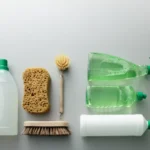
Deep cleaning requires more than a broom and mop. Equip yourself with the right tools, such as:
- Microfiber cloths
- Scrub brushes
- Vacuum with HEPA filter
- Steam cleaner
- Disinfectant sprays
- Non-toxic all-purpose cleaners
Using the correct supplies helps you achieve better results while protecting surfaces from damage.
3. Pay Attention to Forgotten Areas
Some areas are often skipped during regular cleaning. Deep cleaning should address:
Behind and Under Furniture
Move heavy items to vacuum or mop underneath. Dust and crumbs collect in these hidden spots and can affect air quality.
Baseboards and Trim
These often-overlooked areas collect dust and grime. Wipe them down using a damp cloth or a gentle cleaner.
Light Fixtures and Ceiling Fans
Dust on ceiling fans and light fixtures can fall and recirculate into the air. Carefully clean them using a microfiber cloth and appropriate cleaner.
Vents and Air Duct Covers
Dusty vents contribute to poor indoor air. Remove covers and vacuum thoroughly. For ducts, consider professional services occasionally.
4. Deep Cleaning the Kitchen
The kitchen is a hotspot for bacteria and grease build-up. A few must-do strategies include:
Clean Inside Appliances
- Refrigerator: Remove all food, wipe shelves and drawers with warm soapy water, and disinfect.
- Oven: Use an oven-safe cleaner or steam clean setting to remove baked-on grime.
- Microwave: Steam clean with vinegar and water to loosen food splatter.
Cabinets and Drawers
Wipe down the inside of cabinets and drawers, especially those storing food. Don’t forget the handles!
Sink and Garbage Disposal
Scrub the sink with baking soda or a disinfectant cleaner. Freshen the garbage disposal with citrus peels or a disposal cleaning pod.
5. Deep Cleaning the Bathroom
Bathrooms require extra attention due to moisture and bacteria. Follow these deep cleaning steps:
Scrub Grout and Tiles
Grout can harbor mold and mildew. Use a toothbrush and a mixture of vinegar and baking soda for effective results.
Disinfect Fixtures
Sanitize the toilet, showerheads, faucets, and towel racks. These frequently touched areas are hotspots for germs.
Wash Shower Curtains and Mats
Fabric and plastic curtains should be washed regularly. Mats should be machine-washed or deep cleaned depending on the material.
6. Deep Cleaning the Living Room and Bedrooms
These areas may not seem as dirty, but dust and allergens can settle here quickly.
Wash Bedding and Upholstery
Clean all bedding, pillow covers, mattress protectors, and curtains. For furniture, vacuum upholstery and use a steam cleaner if available.
Vacuum and Shampoo Carpets
Dirt often settles deep into carpet fibers. Use a carpet cleaner or rent a machine for best results.
Dust from Top to Bottom
Always dust higher surfaces first (like shelves and fans) and work your way down. This ensures particles don’t resettle on freshly cleaned areas.
Seasonal Deep Cleaning Tips
Seasonal changes are perfect opportunities for a deep clean.
Spring Cleaning
- Focus on dust and pollen removal
- Clean windows inside and out
- Rotate and flip mattresses
Fall Cleaning
- Clean heating vents and filters
- Wash blankets and winter linens
- Deep clean garage or storage areas
Deep Cleaning for Commercial Spaces
Offices, retail stores, and commercial buildings require deep cleaning to maintain professionalism and safety.
Sanitize High-Touch Surfaces
Regularly disinfect doorknobs, keyboards, phones, light switches, and communal equipment.
Deep Clean Carpets and Upholstery
Office furniture and carpets trap dust and allergens. Schedule professional cleaning or use high-powered equipment.
Clean Air Ducts and HVAC Systems
Maintaining clean ventilation ensures better air quality and efficiency. Include air purifiers or HEPA filters if necessary.
Eco-Friendly Deep Cleaning Strategies
For a healthier home and planet, try green cleaning alternatives:
- Use vinegar, lemon juice, and baking soda as natural cleaners
- Choose biodegradable and non-toxic products
- Opt for reusable cloths instead of paper towels
Not only do these solutions reduce chemical exposure, but they’re also cost-effective and sustainable.
How Often Should You Deep Clean?
The frequency depends on your lifestyle, location, and foot traffic. A general rule:
- Every 3–6 months for most homes
- Monthly for commercial or high-traffic areas
- Seasonally for specific tasks like windows, vents, or appliances
Create a deep cleaning calendar or checklist to stay consistent and organized.
Deep Cleaning Mistakes to Avoid
Avoiding common mistakes will make your efforts more effective:
- Skipping the declutter phase: Cleaning around clutter wastes time.
- Using the wrong products: Some cleaners can damage surfaces or cause buildup.
- Not allowing disinfectants to sit: For full germ-killing effect, let cleaners dwell on surfaces for a few minutes.
- Ignoring ventilation: Always ventilate the area during deep cleaning to prevent fume build-up and enhance air circulation.
Final Thoughts
Mastering effective deep cleaning strategies transforms your space into a healthier, more inviting environment. Whether at home or in the workplace, deep cleaning ensures every corner is fresh, sanitary, and revitalized.
By staying organized, using the right tools, and targeting hidden dirt, your deep cleaning efforts will make a noticeable difference. Remember—cleaning is not just about appearance; it’s about health, comfort, and peace of mind.
FAQs
What is the difference between regular cleaning and deep cleaning?
Regular cleaning includes routine tasks like dusting and wiping surfaces, while deep cleaning involves thorough scrubbing and sanitizing of hidden or hard-to-reach areas for a more intensive clean.
How often should deep cleaning be done?
Most homes benefit from deep cleaning every 3 to 6 months, while commercial or high-traffic areas may require monthly deep cleans to maintain hygiene and appearance.
What areas are typically targeted in a deep clean?
Deep cleaning covers overlooked spots like behind appliances, under furniture, vents, baseboards, ceiling fans, tile grout, and inside cabinets or appliances.
Can I deep clean my home using natural products?
Yes, natural ingredients like vinegar, baking soda, and lemon juice can effectively clean and disinfect many surfaces without the use of harsh chemicals.
Why is deep cleaning important for health?
Deep cleaning removes bacteria, mold, allergens, and dust buildup, improving indoor air quality and reducing the risk of illness and respiratory issues.