
Knowing how to remove odors from mattresses can change the way your bedroom feels. A fresh mattress helps you relax, sleep deeper, and wake up comfortable.
Mattress smells are common and easy to fix. Sweat, spills, pets, and moisture all leave traces behind. The good news is that most odors can be handled with simple household items and a little patience.
This guide covers why mattresses smell, the safest cleaning methods, and how to keep your bed fresh long term.
- Why Mattresses Develop Odors
- What You Need Before You Start
- How to Remove Odors from Mattresses with Baking Soda
- Use a Vinegar Solution for Stubborn Smells
- Try an Enzyme Cleaner for Biological Odors
- Let Sunlight and Fresh Air Do the Work
- Handle Specific Odors the Right Way
- Clean Everything That Touches the Mattress
- Keep Odors from Coming Back
- Conclusion
- FAQs
Why Mattresses Develop Odors
Before you clean, it helps to know what you are dealing with. The cause of the smell decides the best treatment.
Sweat and Body Oils
Every night, your body releases sweat and natural oils. These soak into the mattress layers over time. Bacteria feed on them, which creates a stale, musty smell.
Spills and Accidents
Drinks, food, and accidents from kids or pets can sink deep into the foam or springs. Even a small spill can leave a sour smell if it is not dried properly.
Moisture and Mildew
Humid rooms trap moisture inside the mattress. This allows mildew to grow, which brings a damp, earthy odor that gets stronger with time.
Pets, Smoke, and Everyday Air
Pet dander, cigarette smoke, and cooking smells float through the air and settle into fabric. Mattresses absorb these scents like a sponge.
What You Need Before You Start
Most methods use items you already have at home. Gather these before you begin:
- Baking soda
- White vinegar
- A spray bottle
- An enzyme cleaner
- A vacuum with an upholstery attachment
- Clean white cloths or towels
- Mild liquid soap
Test any cleaner on a small hidden spot first. This protects the fabric from stains or fading.
How to Remove Odors from Mattresses with Baking Soda
Baking soda is the best place to start. It absorbs odors instead of covering them up.
Prepare the Mattress
Strip the bed completely. Remove sheets, pillows, and any mattress cover. Vacuum the surface to lift dust and loose debris.
Apply the Baking Soda
Sprinkle a thin, even layer across the whole surface. Do not be shy. A generous layer works better than a light dusting.
Let It Sit
Leave the baking soda in place for several hours. For strong smells, leave it for a full day. Open a window if you can, since fresh air speeds up the process.
Vacuum It Away
Use the upholstery attachment and go slowly. Cover the mattress in overlapping lines so no powder is left behind.
Use a Vinegar Solution for Stubborn Smells
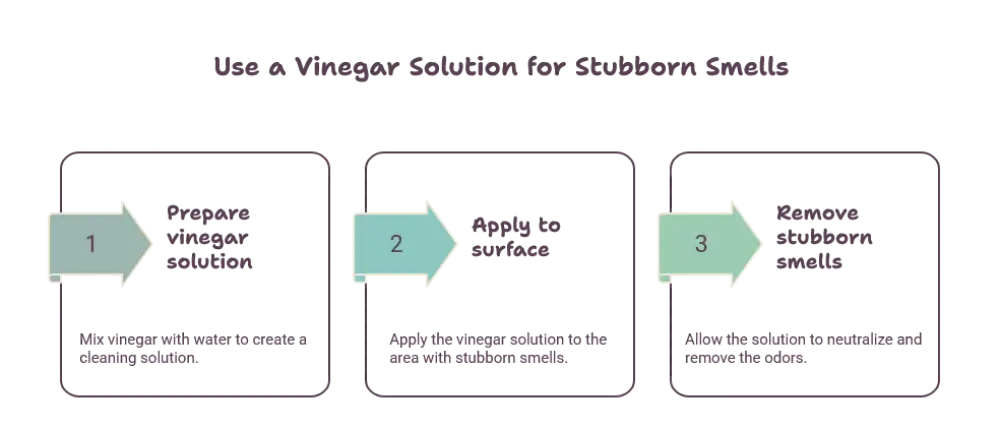
White vinegar neutralizes many odors and is gentle on most fabrics. The vinegar smell fades as it dries.
Mix equal parts white vinegar and water in a spray bottle. Lightly mist the mattress. Do not soak it, because too much liquid can cause new moisture problems.
Let the surface air dry fully. Once it is dry, finish with another light layer of baking soda and vacuum again.
Never mix vinegar with bleach or hydrogen peroxide. Some combinations create harmful fumes or damage fabric.
Try an Enzyme Cleaner for Biological Odors
Urine, vomit, sweat, and blood leave behind proteins. Regular cleaners often miss these, which is why the smell keeps coming back.
Enzyme cleaners break these proteins down at the source. That is why they work so well for accidents.
Follow the label directions closely. In general, you lightly spray the area, let it sit, then blot with a clean cloth. Avoid rubbing, because rubbing pushes the stain deeper.
Allow the spot to dry completely before you cover the mattress.
Let Sunlight and Fresh Air Do the Work
Sunlight is a natural freshener. It helps dry out moisture and reduces odor causing bacteria.
If your mattress is light enough and you can move it safely, place it outside on a dry, sunny day. A few hours on each side makes a noticeable difference.
If you cannot take it outside, move it near a sunny window. Run a fan or open the windows to keep air flowing.
Avoid leaving a mattress outside if rain is possible or if humidity is high. Damp air can make the problem worse.
Handle Specific Odors the Right Way
Different smells call for slightly different care. Here is how to approach the most common ones.
Urine Odors
Blot fresh spills right away with a dry towel. Apply an enzyme cleaner, then cover with baking soda once the area is slightly damp. Vacuum after it dries.
Smoke Odors
Smoke settles deep into fabric. Use baking soda over the full surface and leave it for as long as you can. Repeat the process if needed, and air out the room often.
Mildew Odors
Mildew needs quick action. Lightly mist the area with the vinegar solution and dry it as fast as possible with a fan. If the mold covers a large area or keeps returning, the mattress may need professional help.
Pet Odors
Vacuum thoroughly to remove hair and dander. Then use baking soda and an enzyme cleaner on any spots where pets rest or have had accidents.
Clean Everything That Touches the Mattress
Sometimes the smell is not coming from the mattress at all. Bedding holds odors too.
Wash sheets, pillowcases, blankets, and the mattress protector in your machine. Use the warmest water the care labels allow. Dry everything fully before putting it back on the bed.
Check pillows and bed skirts as well. A fresh mattress with smelly bedding will quickly smell old again.
Keep Odors from Coming Back
Prevention is easier than repeat cleaning. A few small habits go a long way.
Use a Mattress Protector
A washable, breathable protector blocks sweat, spills, and dust from reaching the mattress. Wash it regularly to keep it fresh.
Let the Bed Breathe
After waking up, pull back the covers for a short time. This lets moisture escape instead of being trapped under the blankets.
Control Humidity
Keep your bedroom well ventilated. In damp weather, a dehumidifier helps prevent mildew from forming.
Clean on a Schedule
Vacuum your mattress and apply baking soda every few months. Rotate the mattress as recommended by the maker so it wears evenly and airs out.
Deal with Spills Fast
The sooner you blot a spill, the less likely it is to leave a lasting smell. Keep a clean towel and cleaner within reach.
Conclusion
A smelly mattress is a common problem, and you do not need to replace it right away. Start with baking soda, add vinegar or an enzyme cleaner for tougher smells, and use sunlight and fresh air to finish the job.
Match the method to the type of odor, and keep your bedding clean. With a few simple habits, your mattress can stay fresh and comfortable for years.
FAQs
How long does it take to remove odors from a mattress?
Light odors can disappear in a few hours with baking soda. Stronger smells like urine or mildew may take a full day or more, since the mattress must dry completely between treatments.
Is baking soda safe to use on every type of mattress?
Baking soda is safe for most mattresses, including foam, innerspring, and hybrid types. Always vacuum it away fully, and check the care label from the maker if you are unsure.
Can I use vinegar on a memory foam mattress?
Yes, but only in a light mist. Foam holds moisture for a long time, so avoid soaking it. Let it dry fully with good airflow before putting bedding back on.
Why does my mattress still smell after cleaning?
The source may be deep inside the layers, or the mattress may still be damp. Enzyme cleaners work better on biological stains, and repeating the baking soda and airing steps often helps.
When should I stop cleaning and consider replacing the mattress?
If mold keeps returning, the smell never improves, or the mattress is heavily stained or sagging, replacement may be the healthier choice for your sleep and your home.