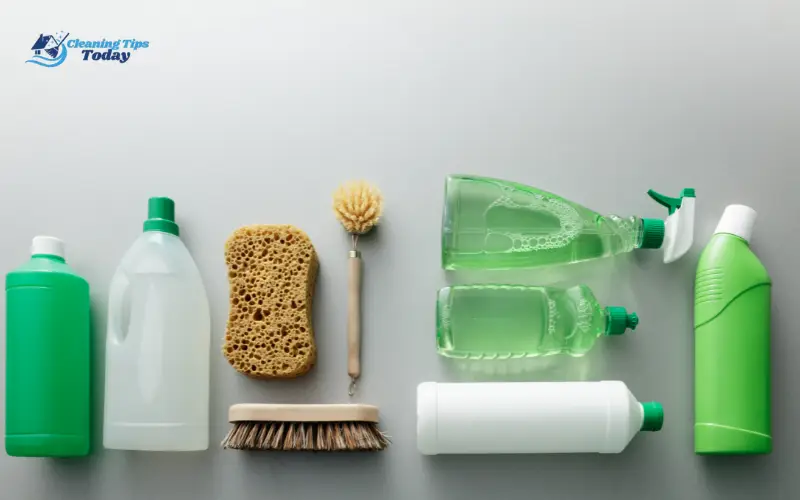
Green cleaning refers to the practice of using environmentally friendly cleaning products and methods that minimize the impact on human health and the environment. This approach emphasizes the use of biodegradable, non-toxic, and sustainable materials, steering clear of harsh chemicals that can contribute to indoor air pollution and environmental degradation. The philosophy behind green cleaning is rooted in the idea that a clean home or workspace should not come at the expense of our health or the planet.
- Key Takeaways
- Health Benefits of Green Cleaning
- Environmental Benefits of Green Cleaning
- Cost Savings with Green Cleaning
- How to Implement Green Cleaning in Your Home
- Green Cleaning Products and Ingredients to Look For
- Common Myths About Green Cleaning
- Green Cleaning Tips for Businesses
- Green Cleaning Certification and Standards
- The Future of Green Cleaning
- Embracing the Benefits of Green Cleaning
- FAQs
The concept of green cleaning has gained traction over the years as awareness of environmental issues and health concerns has increased. Traditional cleaning products often contain volatile organic compounds (VOCs), phosphates, and other harmful substances that can lead to respiratory problems, skin irritations, and long-term health issues. In contrast, green cleaning focuses on using natural ingredients such as vinegar, baking soda, and essential oils, which are effective in cleaning while being safe for both people and the environment.
Key Takeaways
- Green cleaning refers to using cleaning methods and products with environmentally friendly ingredients to preserve human health and environmental quality.
- Green cleaning can reduce exposure to harmful chemicals, leading to improved indoor air quality and reduced risk of respiratory and skin irritations.
- Using green cleaning products can help minimize water and air pollution, reduce waste, and contribute to a healthier planet.
- Implementing green cleaning practices can lead to cost savings through reduced water and energy usage, as well as decreased need for expensive cleaning chemicals.
- To implement green cleaning in your home, look for products with eco-friendly certifications and ingredients such as vinegar, baking soda, and essential oils.
Health Benefits of Green Cleaning
One of the most significant advantages of green cleaning is its positive impact on health. Conventional cleaning products often contain toxic chemicals that can lead to a range of health issues, including asthma, allergies, and other respiratory problems. By opting for green cleaning solutions, individuals can reduce their exposure to these harmful substances.
For instance, studies have shown that using natural cleaning agents can significantly lower the levels of indoor air pollutants, creating a healthier living environment. Moreover, green cleaning products are less likely to cause skin irritations or allergic reactions. Many people are sensitive to synthetic fragrances and harsh chemicals found in traditional cleaners.
By using products made from natural ingredients, individuals can avoid these irritants and promote overall well-being.
Additionally, green cleaning practices often involve more thorough cleaning methods that can help eliminate dust mites, mold, and other allergens from surfaces, further enhancing indoor air quality.
Environmental Benefits of Green Cleaning
The environmental benefits of green cleaning are profound and far-reaching. Traditional cleaning products often contain chemicals that can be harmful to aquatic life when they enter waterways through runoff or improper disposal. In contrast, green cleaning products are typically biodegradable and less harmful to ecosystems.
This means that when they are washed down the drain or disposed of, they have a reduced impact on water quality and marine habitats. Furthermore, many green cleaning products are packaged in recyclable or biodegradable materials, which helps to reduce waste in landfills. The production processes for these products also tend to be more sustainable, often utilizing renewable resources and minimizing energy consumption.
By choosing green cleaning options, consumers contribute to a larger movement towards sustainability and environmental stewardship, helping to protect natural resources for future generations.
Cost Savings with Green Cleaning
| Metrics | Cost Savings |
|---|---|
| Reduced water usage | 20% |
| Decreased energy consumption | 15% |
| Lowered waste disposal costs | 25% |
| Extended equipment lifespan | 30% |
While some may assume that green cleaning products are more expensive than their conventional counterparts, this is not always the case. In fact, many effective green cleaning solutions can be made at home using common household ingredients like vinegar, baking soda, and lemon juice. These ingredients are not only affordable but also versatile, allowing for a wide range of cleaning applications without the need for multiple specialized products.
Additionally, green cleaning can lead to long-term cost savings by reducing the need for frequent purchases of chemical-laden cleaners that may not be as effective or safe. For example, regular use of natural cleaners can help maintain surfaces and prolong the life of furniture and appliances by avoiding damage caused by harsh chemicals. Over time, these savings can add up significantly, making green cleaning an economically viable choice for households and businesses alike.
How to Implement Green Cleaning in Your Home
Implementing green cleaning in your home can be a straightforward process that begins with a few simple changes. Start by assessing your current cleaning supplies and identifying any products that contain harmful chemicals or synthetic fragrances. Once you have a clear understanding of what you currently use, you can begin to replace these items with eco-friendly alternatives.
Creating your own green cleaning solutions is an excellent way to take control of what you use in your home. For instance, a mixture of vinegar and water can serve as an effective all-purpose cleaner, while baking soda can be used as a gentle abrasive for scrubbing surfaces. Essential oils like tea tree or lavender not only add pleasant scents but also possess natural antibacterial properties.
By making these small adjustments, you can transform your cleaning routine into one that prioritizes health and sustainability.
Green Cleaning Products and Ingredients to Look For
When shopping for green cleaning products, it is essential to look for certifications and labels that indicate a product’s eco-friendliness. Certifications such as Green Seal or EcoLogo signify that a product meets specific environmental standards regarding its ingredients and manufacturing processes. Additionally, consumers should seek out products that are free from synthetic fragrances, dyes, phosphates, and chlorine bleach.
Common ingredients found in effective green cleaning products include plant-based surfactants, citric acid, and essential oils. These components not only clean effectively but also break down naturally in the environment without leaving harmful residues. For instance, citric acid is a powerful natural cleaner that can cut through grease and grime while being safe for both users and the planet.
By familiarizing yourself with these ingredients, you can make informed choices when selecting cleaning products for your home.
Common Myths About Green Cleaning
Despite the growing popularity of green cleaning, several myths persist that may deter individuals from making the switch. One common misconception is that green cleaning products are less effective than traditional cleaners. However, numerous studies have demonstrated that many eco-friendly alternatives perform just as well—if not better—than their chemical-laden counterparts when it comes to removing dirt and bacteria.
Another myth is that green cleaning requires more time and effort than conventional methods. While it may take some initial adjustment to find the right recipes or products, many natural cleaners are easy to make and use. For example, a simple vinegar solution can replace multiple specialized cleaners in your home without requiring additional time for application or scrubbing.
By debunking these myths, individuals can feel more empowered to embrace green cleaning practices.
Green Cleaning Tips for Businesses
For businesses looking to adopt green cleaning practices, there are several strategies to consider that can enhance both employee well-being and corporate responsibility. First and foremost, conducting an audit of current cleaning practices is essential to identify areas where eco-friendly alternatives can be implemented. This may involve switching to green-certified commercial cleaners or training staff on how to create effective natural cleaning solutions.
In addition to product changes, businesses should also consider implementing policies that promote sustainability throughout their operations. This could include encouraging employees to reduce waste by using reusable cleaning cloths instead of disposable paper towels or establishing a recycling program for packaging materials used in cleaning supplies. By fostering a culture of sustainability within the workplace, businesses not only improve their environmental footprint but also enhance employee morale and productivity.
Green Cleaning Certification and Standards
Green cleaning certification plays a crucial role in ensuring that products meet specific environmental standards and provide consumers with reliable options for eco-friendly cleaning solutions. Organizations such as Green Seal and the Environmental Protection Agency’s Safer Choice program evaluate products based on criteria such as toxicity levels, biodegradability, and overall environmental impact. These certifications help consumers navigate the often-confusing landscape of eco-friendly products by providing assurance that certified items have undergone rigorous testing and meet established guidelines.
Additionally, many professional cleaning services now seek certification in green cleaning practices to demonstrate their commitment to sustainability and attract environmentally conscious clients.
The Future of Green Cleaning
As awareness of environmental issues continues to grow, the future of green cleaning looks promising. Innovations in technology are leading to the development of new eco-friendly products that are even more effective at tackling tough stains and disinfecting surfaces without relying on harmful chemicals. For instance, advancements in enzymatic cleaners harness natural processes to break down organic matter while remaining safe for both users and the environment.
Moreover, consumer demand for sustainable practices is driving companies to invest in research and development focused on creating greener alternatives across various industries. As more businesses adopt eco-friendly practices and consumers become increasingly aware of their purchasing choices’ impact on health and the environment, the shift towards green cleaning will likely accelerate.
Embracing the Benefits of Green Cleaning
Embracing green cleaning practices offers numerous benefits that extend beyond mere aesthetics; it promotes health, protects the environment, saves money, and fosters a culture of sustainability within homes and businesses alike. By understanding what green cleaning entails and how it can be effectively implemented through thoughtful product choices and practices, individuals can contribute positively to their well-being and the planet’s future. As we move forward into an era where environmental consciousness is paramount, adopting green cleaning methods will not only enhance our immediate surroundings but also play a vital role in preserving our planet for generations to come.
The transition may require some effort initially; however, the long-term rewards—both personal and ecological—are well worth it.
FAQs
What is green cleaning?
Green cleaning refers to using cleaning products and methods that are environmentally friendly and promote the health and well-being of people and the planet. This includes using non-toxic, biodegradable, and sustainable cleaning products and practices.
What are the benefits of green cleaning?
Some of the benefits of green cleaning include reducing exposure to harmful chemicals, improving indoor air quality, conserving natural resources, and minimizing environmental impact. Green cleaning also promotes a healthier and safer environment for both cleaning staff and building occupants.
How does green cleaning contribute to sustainability?
Green cleaning contributes to sustainability by using products and methods that minimize the use of harmful chemicals, reduce waste, and conserve water and energy. This helps to protect natural resources and reduce the overall environmental impact of cleaning activities.
What are some common green cleaning products?
Common green cleaning products include vinegar, baking soda, hydrogen peroxide, castile soap, and essential oils. These natural ingredients can be used to create effective cleaning solutions for various surfaces and purposes.
Is green cleaning effective for commercial and industrial settings?
Yes, green cleaning can be just as effective for commercial and industrial settings as traditional cleaning methods. There are a wide range of green cleaning products and equipment available that are specifically designed for larger-scale cleaning needs.