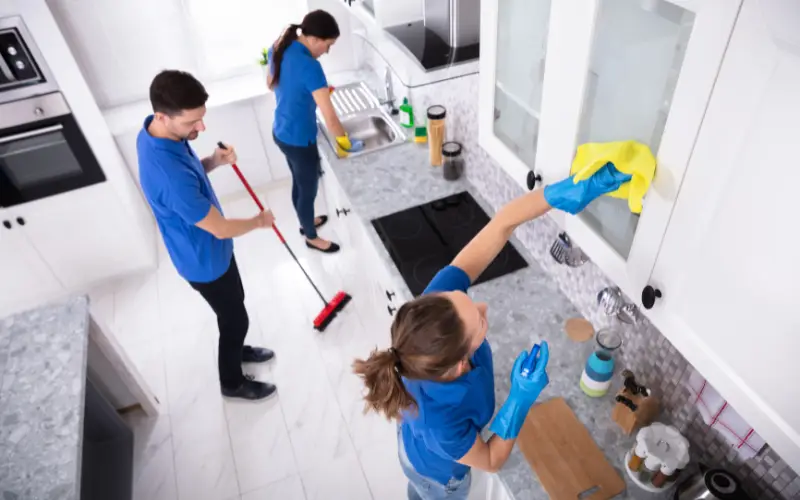
Keeping your home clean goes beyond regular dusting and mopping. For a truly healthy and sanitized space, you need to embrace deep cleaning strategies that tackle hidden grime, built-up bacteria, and overlooked areas. This comprehensive guide walks you through proven methods, tools, and tips to get your home shining from top to bottom.
Why Deep Cleaning Is Essential
While routine cleaning helps maintain appearance, deep cleaning ensures your living environment is actually hygienic and safe. Dust, allergens, mold spores, and bacteria can hide in carpets, behind furniture, and in appliances. Deep cleaning strategies eliminate these threats, improving air quality, reducing illness, and enhancing the comfort of your space.
Benefits of Deep Cleaning
- Improves indoor air quality
- Extends the life of furniture and appliances
- Reduces allergens and bacteria
- Enhances mental clarity and peace of mind
- Makes routine cleaning more manageable
Now that we understand the importance, let’s explore the best deep cleaning strategies for every area of your home.
Kitchen Deep Cleaning Strategies
The kitchen is one of the busiest—and messiest—rooms in any home. Grease, crumbs, and food particles can easily accumulate in hidden places. Deep cleaning helps prevent odors, insect infestations, and bacteria buildup.
Clean Behind and Under Appliances
Pull out the stove and refrigerator to vacuum or sweep accumulated crumbs and dust. Use a degreasing solution to wipe down the sides and backs of appliances.
Sanitize the Sink and Garbage Disposal
Use baking soda and vinegar or a disinfecting cleaner to scrub the sink basin and garbage disposal. Don’t forget to clean the faucet head and handles, which can harbor bacteria.
Deep Clean Cabinets and Drawers
Remove all contents from your cabinets and drawers. Wipe down the interior surfaces with a gentle cleanser, then declutter and reorganize for better efficiency.
Degrease Range Hood and Filters
Grease can build up on the range hood and filter, reducing efficiency and attracting grime. Remove the filter and soak it in hot, soapy water before scrubbing thoroughly.
Bathroom Deep Cleaning Strategies
Bathrooms are high-moisture areas where mold, mildew, and soap scum can thrive. A deep clean can drastically improve both sanitation and appearance.
Scrub Grout and Tiles
Use a specialized grout brush and a baking soda paste or commercial tile cleaner to lift mold and soap scum from tile grout. Focus on corners and behind the toilet.
Sanitize Showerheads and Faucets
Soak showerheads and faucet aerators in vinegar to remove mineral deposits and buildup. Scrub gently with an old toothbrush.
Disinfect Toilet Base and Surroundings
Many people focus only on the toilet bowl, but bacteria can also hide around the base and behind the tank. Use disinfecting wipes or spray to clean these often-forgotten zones.
Clean Bathroom Vents
Dust and lint accumulate in bathroom exhaust fans. Remove the vent cover, clean it with soap and water, and vacuum the fan blades carefully.
Living Room Deep Cleaning Strategies
This is the space where your family gathers, so maintaining cleanliness is key to a healthy home.
Vacuum Upholstered Furniture
Use your vacuum’s upholstery attachment to clean couches and chairs. Remove cushions and get into crevices to extract crumbs, pet hair, and dust.
Shampoo Carpets and Rugs
A vacuum is not enough for deep cleaning. Rent or use a carpet cleaner to shampoo rugs and carpets, removing stains and refreshing fibers.
Wipe Down Baseboards and Moldings
Baseboards often collect dust and grime. Use a damp microfiber cloth to wipe them down. Pay attention to crown moldings and door frames too.
Dust Electronics and Light Fixtures
Unplug electronics before wiping them with a dry microfiber cloth. Remove light fixtures or shades and clean thoroughly to enhance both safety and brightness.
Bedroom Deep Cleaning Strategies
A clean bedroom promotes better sleep and a more peaceful environment. Here’s how to deep clean this essential space.
Rotate and Clean the Mattress
Vacuum the mattress surface, sprinkle baking soda for deodorizing, and vacuum again. Rotate or flip the mattress to ensure even wear.
Wash All Bedding and Pillows
Beyond sheets, wash comforters, bed skirts, and pillow covers. Pillows can harbor dust mites—most can be laundered or air-dried outside.
Clean Closets and Drawers
Take everything out and wipe down all surfaces. This is also a great time to declutter and donate items you no longer use.
Dust Ceiling Fans and Vents
Ceiling fans collect significant dust. Wipe blades with a damp cloth and clean surrounding ceiling areas. Don’t forget the air conditioning or heating vents.
Whole-House Deep Cleaning Tips
In addition to room-specific strategies, these general tips can be applied throughout your home for a more effective deep clean.
Start from the Top
Always clean from the ceiling down to the floor. Dust and debris will fall, allowing you to catch them as you move downward.
Use Microfiber Cloths
Microfiber cloths trap more dirt and dust than regular rags. They’re also reusable, eco-friendly, and safe for most surfaces.
Don’t Forget High-Touch Surfaces
Light switches, door handles, remote controls, and railings should be disinfected regularly. Use alcohol-based cleaners or disinfecting wipes.
Clean Windows Inside and Out
Dirty windows affect light and energy efficiency. Use a squeegee and window cleaner for a streak-free shine, and don’t forget the tracks and sills.
Eco-Friendly Deep Cleaning Strategies
You don’t need harsh chemicals to deep clean effectively. Eco-friendly methods are safer for your family and better for the environment.
Use Natural Cleaners
Common household items like vinegar, lemon, baking soda, and essential oils can be used to clean, deodorize, and disinfect naturally.
Reduce Disposable Waste
Opt for washable mop heads, cloth towels instead of paper, and reusable spray bottles to cut down on single-use plastic and waste.
Improve Indoor Air Naturally
Houseplants such as snake plant, aloe vera, and peace lily help purify indoor air and reduce airborne toxins—perfect complements to your cleaning efforts.
Seasonal Deep Cleaning Checklist
To maintain a consistently clean home, aim to deep clean seasonally. Spring and fall are ideal times for a full refresh.
Spring Cleaning Focus
- Windows and screens
- Outdoor furniture and patios
- Closets and clothing rotation
- Air filters and vents
Fall Cleaning Focus
- Gutters and drains
- Fireplaces and chimneys
- Heating systems and filters
- Holiday decoration prep areas
Final Thoughts
Deep cleaning is not just about appearances—it’s about creating a healthy, productive, and serene living space. By using targeted deep cleaning strategies, you reduce allergens, kill germs, and elevate the comfort of your home. Whether you tackle it room by room or dedicate a weekend to a full-house refresh, the key is to be thorough, consistent, and detail-oriented.
Start with the most neglected spaces, create a checklist, and use eco-friendly methods where possible. With the right approach, deep cleaning becomes less of a chore and more of a satisfying routine that pays off in peace of mind and better well-being.
FAQs
What is the difference between regular cleaning and deep cleaning?
Regular cleaning focuses on everyday tasks like dusting, sweeping, and surface wiping. Deep cleaning goes further by addressing hidden grime, disinfecting high-touch areas, and cleaning overlooked spots like baseboards, behind appliances, and inside cabinets.
How often should I deep clean my home?
Most experts recommend deep cleaning your home every 3 to 6 months, depending on lifestyle, pets, allergies, and household size. High-traffic areas like kitchens and bathrooms may need more frequent attention.
Which rooms should be prioritized during deep cleaning?
Start with high-use areas such as the kitchen, bathroom, and living room. These areas tend to accumulate the most dirt, bacteria, and clutter. Then move on to bedrooms, hallways, and storage areas.
Are natural cleaners effective for deep cleaning?
Yes, natural cleaners like vinegar, baking soda, and lemon juice can be highly effective for disinfecting, deodorizing, and scrubbing. They’re safer for kids, pets, and the environment compared to harsh chemicals.
Can deep cleaning help reduce allergies?
Absolutely. Deep cleaning strategies remove dust, pet dander, mold spores, and pollen from carpets, furniture, and air vents—helping to relieve allergy symptoms and improve indoor air quality.