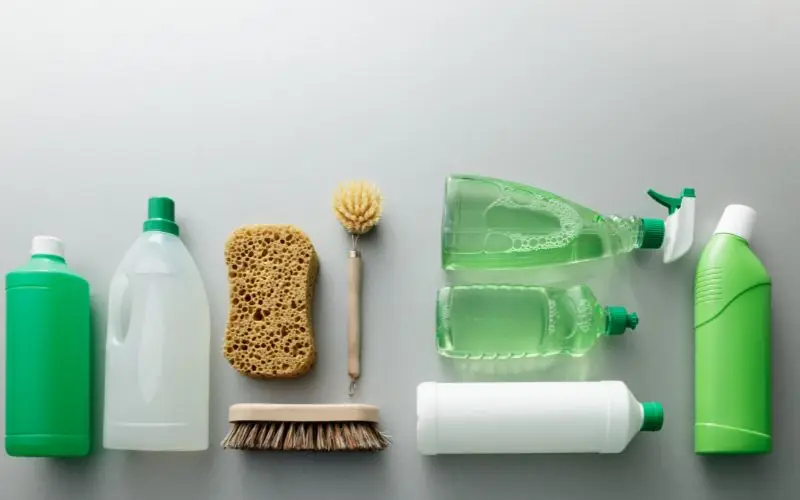
Green cleaning products have gained significant traction in recent years, and for good reason. One of the primary benefits of these eco-friendly alternatives is their reduced environmental impact. Traditional cleaning products often contain harsh chemicals that can contribute to air and water pollution.
- Key Takeaways
- How to Identify and Choose Green Cleaning Products
- The Environmental Impact of Conventional Cleaning Products
- The Health Risks of Conventional Cleaning Products
- DIY Green Cleaning Recipes
- The Importance of Reading Labels and Understanding Ingredients
- The Cost-Effectiveness of Green Cleaning Products
- Tips for Implementing Green Cleaning Practices in Your Home
- FAQs
In contrast, green cleaning products are typically made from natural, biodegradable ingredients that break down more easily in the environment. This means that when they are used and eventually washed away, they pose less risk to ecosystems and wildlife. For instance, many green cleaners utilize plant-based surfactants and essential oils, which not only clean effectively but also leave behind a minimal ecological footprint.
Moreover, green cleaning products are often safer for human health. Many conventional cleaners contain volatile organic compounds (VOCs) and other toxic substances that can lead to respiratory issues, skin irritations, and other health problems. In contrast, green products are formulated to be non-toxic and free from harmful chemicals.
This is particularly important for households with children, pets, or individuals with allergies or sensitivities. By opting for green cleaning solutions, consumers can create a healthier indoor environment, reducing the risk of exposure to harmful substances while still maintaining cleanliness and hygiene.
Key Takeaways
- Green cleaning products are better for the environment and your health
- Look for certifications and eco-friendly labels when choosing green cleaning products
- Conventional cleaning products can have a negative impact on the environment
- Conventional cleaning products can pose health risks such as respiratory issues and skin irritation
- Make your own green cleaning products using simple ingredients like vinegar and baking soda
How to Identify and Choose Green Cleaning Products
Identifying and selecting green cleaning products can be a daunting task given the plethora of options available on the market. However, there are several key indicators that can help consumers make informed choices. First and foremost, look for certifications from reputable organizations such as the Environmental Protection Agency (EPA) or Green Seal.
These certifications indicate that the product has met specific environmental standards and has been evaluated for its safety and efficacy. Products bearing these labels are more likely to be genuinely green rather than simply marketed as such. Another important factor to consider is the ingredient list.
A truly green cleaning product will typically feature simple, recognizable ingredients derived from natural sources. Avoid products that contain synthetic fragrances, dyes, or preservatives, as these can often be harmful to both health and the environment. Instead, seek out items that highlight their plant-based components or essential oils.
Additionally, many brands now provide transparency regarding their sourcing and manufacturing processes, which can further guide consumers in making responsible choices.
The Environmental Impact of Conventional Cleaning Products
The environmental ramifications of conventional cleaning products are profound and far-reaching. Many traditional cleaners contain phosphates, surfactants, and other chemicals that can disrupt aquatic ecosystems when they enter waterways through runoff or wastewater systems. For example, phosphates can lead to algal blooms in lakes and rivers, depleting oxygen levels and harming aquatic life.
Furthermore, the production of these chemical-laden products often involves processes that consume significant energy and resources, contributing to greenhouse gas emissions. In addition to water pollution, conventional cleaning products can also contribute to air quality issues. Many of these products release VOCs into the atmosphere, which can lead to smog formation and respiratory problems in humans.
Indoor air quality can suffer as well; studies have shown that using traditional cleaners can significantly increase indoor air pollution levels. This is particularly concerning in tightly sealed modern homes where ventilation may be limited. By choosing green cleaning alternatives, consumers can help mitigate these environmental impacts and promote a healthier planet.
The Health Risks of Conventional Cleaning Products
| Health Risk | Conventional Cleaning Products |
|---|---|
| Asthma | Studies have shown that the use of conventional cleaning products can increase the risk of developing asthma. |
| Cancer | Some chemicals found in conventional cleaning products have been linked to an increased risk of cancer. |
| Reproductive Issues | Exposure to certain chemicals in cleaning products has been associated with reproductive issues in both men and women. |
| Allergies | Many conventional cleaning products contain allergens that can trigger allergic reactions in sensitive individuals. |
| Respiratory Problems | Using conventional cleaning products in poorly ventilated areas can lead to respiratory problems and exacerbate existing conditions like COPD. |
The health risks associated with conventional cleaning products are increasingly coming under scrutiny as more research highlights their potential dangers. Many common household cleaners contain ingredients linked to various health issues, including asthma, skin irritation, and even long-term effects such as cancer. For instance, products containing bleach or ammonia can produce harmful fumes that irritate the respiratory system and exacerbate pre-existing conditions like asthma or chronic obstructive pulmonary disease (COPD).
Moreover, children are particularly vulnerable to the effects of toxic cleaning agents due to their developing bodies and behaviors such as hand-to-mouth activity. Exposure to harmful chemicals can lead to developmental issues or long-term health problems later in life. Pets are also at risk; many animals are sensitive to the same chemicals that affect humans.
By switching to green cleaning products, families can significantly reduce their exposure to these harmful substances, creating a safer living environment for all members of the household.
DIY Green Cleaning Recipes
Creating your own green cleaning products at home is not only cost-effective but also allows for complete control over the ingredients used. Many DIY recipes utilize common household items that are both effective and safe for the environment. For example, a simple all-purpose cleaner can be made by mixing equal parts of white vinegar and water in a spray bottle.
This solution is effective for cutting through grease and grime on various surfaces while leaving behind a fresh scent. Another popular DIY recipe involves baking soda, which serves as a natural abrasive cleaner. A paste made from baking soda and water can be used to scrub sinks, tubs, and countertops without scratching surfaces.
For those who prefer a pleasant fragrance in their cleaning routine, adding a few drops of essential oils such as lavender or tea tree oil can enhance both the scent and antibacterial properties of homemade cleaners. These DIY solutions not only reduce reliance on commercial products but also minimize packaging waste associated with store-bought cleaners.
The Importance of Reading Labels and Understanding Ingredients
In an era where consumer awareness is paramount, understanding product labels is crucial when selecting cleaning supplies. Many brands engage in “greenwashing,” where they market their products as environmentally friendly without adhering to genuine sustainable practices. To avoid falling victim to misleading claims, consumers should take the time to read labels carefully and familiarize themselves with common ingredients found in cleaning products.
Look for transparency in ingredient lists; reputable brands will disclose all components rather than using vague terms like “fragrance” or “cleaning agents.” Familiarizing oneself with harmful substances—such as phthalates, parabens, and formaldehyde—can empower consumers to make better choices. Additionally, understanding the purpose of various ingredients can help individuals select products that align with their specific cleaning needs while ensuring they remain committed to eco-friendly practices.
The Cost-Effectiveness of Green Cleaning Products
While some consumers may perceive green cleaning products as more expensive than their conventional counterparts, a closer examination reveals that they can be quite cost-effective in the long run. Many eco-friendly cleaners are concentrated formulas that require smaller amounts per use compared to traditional cleaners. This means that a single bottle of a green product may last longer than multiple bottles of cheaper conventional options.
Furthermore, DIY green cleaning solutions often utilize inexpensive ingredients found in most households, such as vinegar and baking soda. By making these products at home, consumers can save money while also reducing their environmental impact. Additionally, investing in reusable cleaning tools—such as washable cloths instead of disposable paper towels—can further enhance cost savings over time while promoting sustainable practices.
Tips for Implementing Green Cleaning Practices in Your Home
Transitioning to green cleaning practices requires a thoughtful approach but can be seamlessly integrated into daily routines with some practical tips. Start by gradually replacing conventional cleaners with eco-friendly alternatives as existing products run out; this allows for a smoother transition without overwhelming changes all at once. Consider creating a dedicated cleaning caddy stocked with your favorite green products and tools to streamline the process.
Incorporating habits such as using microfiber cloths instead of paper towels can significantly reduce waste while enhancing cleaning efficiency. Additionally, establishing a regular cleaning schedule can help maintain a tidy home without relying on harsh chemicals for deep cleans. Educating family members about the benefits of green cleaning practices fosters a collective commitment to sustainability within the household.
By embracing these strategies and prioritizing eco-friendly choices, individuals can contribute positively to both their health and the environment while enjoying a clean living space free from harmful chemicals.
FAQs
What are green cleaning products?
Green cleaning products are cleaning solutions that are made from natural, non-toxic, and biodegradable ingredients. These products are designed to be environmentally friendly and safe for use in homes.
What are the benefits of using green cleaning products?
Using green cleaning products can help reduce exposure to harmful chemicals, protect the environment, and improve indoor air quality. These products are also often cruelty-free and not tested on animals.
What are some common ingredients in green cleaning products?
Common ingredients in green cleaning products include vinegar, baking soda, lemon juice, essential oils, and plant-based surfactants. These ingredients are effective at cleaning and disinfecting without the use of harsh chemicals.
Are green cleaning products effective at cleaning?
Yes, green cleaning products are effective at cleaning and disinfecting surfaces in homes. They can remove dirt, grime, and bacteria just as effectively as traditional cleaning products.
Where can I find green cleaning products for homes?
Green cleaning products can be found at natural food stores, online retailers, and some mainstream grocery stores. Many companies now offer a wide range of green cleaning products for various household cleaning needs.