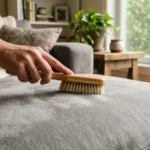
Finding the best way to clean baseboards can transform the look of any room in minutes. Baseboards collect dust, pet hair, and grime faster than most homeowners realize, and because they sit low on the wall, they are often the last thing anyone notices, until they become an eyesore. This guide walks you through simple, effective methods to get your baseboards looking fresh again, using tools and techniques that work for every type of trim.
Why Baseboards Get So Dirty
Baseboards sit right at floor level, which makes them a magnet for dust, dirt, and pet dander. Every time you sweep, vacuum, or walk across the room, tiny particles settle along the edges of the wall. Over time this buildup turns into visible grime that dulls the paint or finish.
Common Culprits Behind Baseboard Grime
Dust bunnies from flooring, splashes from mopping, scuff marks from shoes, and pet hair are the most frequent offenders. Humid climates can also cause a sticky film to form, which attracts even more dust.
Gather the Right Cleaning Supplies
Before you start, it helps to have a few basic supplies ready. A microfiber cloth, a soft bristle brush, a vacuum with a brush attachment, warm water, and a mild cleaning solution are usually enough for most baseboards. Avoid anything overly abrasive, since it can scratch painted or varnished surfaces.
Homemade Cleaning Solution Option
A simple mix of warm water and a few drops of dish soap works well for most baseboards. For tougher grime, a small amount of white vinegar mixed with water can cut through buildup without damaging the finish.
Step by Step Method for Cleaning Baseboards
The process does not need to be complicated. A consistent routine makes the job faster every time you repeat it.
Start With Dry Dusting
Before using any liquid, remove loose dust and debris first. A microfiber cloth or a vacuum with a soft brush attachment works best for this stage. Dry dusting prevents mud like streaks from forming once you introduce water.
Wipe Down With a Damp Cloth
Once the dry dust is gone, dampen a cloth with your cleaning solution and wipe along the length of the baseboard. Work in one direction to avoid pushing dirt back into corners.
Clean the Corners and Grooves
Baseboards with decorative grooves or corners often trap dirt that a flat cloth cannot reach. A soft bristle brush or an old toothbrush is perfect for getting into these tight spaces without scratching the surface.
Dry the Surface Completely
After wiping, use a dry cloth to remove any excess moisture. This step protects the wood or paint from warping or peeling, especially in humid environments.
Best Tools for Different Types of Baseboards

Different baseboard materials respond better to different tools and techniques.
Painted Wood Baseboards
Painted wood does well with a microfiber cloth and mild soapy water. Avoid soaking the wood, since excess moisture can cause the paint to bubble or peel over time.
Vinyl or PVC Baseboards
Vinyl baseboards are more resistant to moisture, which makes them easier to wipe down with a slightly damp cloth. They also tolerate mild all purpose cleaners well.
Natural Wood Baseboards
Natural or stained wood baseboards benefit from a wood friendly cleaner and a dry follow up wipe to preserve the finish and prevent water spots.
Tips to Keep Baseboards Cleaner for Longer
Maintaining clean baseboards is much easier than deep cleaning them every few months. A quick wipe down once a week prevents dust from settling into a thick layer. Using a dryer sheet after cleaning can also help repel dust, since it reduces static buildup on the surface.
Dust Regularly With a Microfiber Duster
A long handled microfiber duster lets you quickly run along the baseboards without bending down every time. This is especially useful for larger homes with a lot of trim.
Vacuum Baseboards During Routine Cleaning
Most vacuums come with a brush attachment that works well on baseboards. Incorporating this into your regular vacuuming routine keeps dust from accumulating between deep cleans.
Mistakes to Avoid When Cleaning Baseboards
Even simple tasks like this come with a few common pitfalls. Using too much water can damage wood baseboards, while abrasive scrub pads can scratch painted surfaces. Skipping the dry dusting step often leads to smudging instead of cleaning. Taking a little extra time with each step leads to a much better result.
Conclusion
Clean baseboards make a noticeable difference in how polished a room feels, and the process does not have to be time consuming. By dusting first, using the right cleaning solution for your baseboard material, and paying attention to corners and grooves, you can keep your trim looking fresh with minimal effort. A simple weekly routine goes a long way toward preventing heavy buildup, so the next deep clean feels quick and easy.
Frequently Asked Questions
What is the best way to clean baseboards without scratching them?
Use a soft microfiber cloth or a gentle bristle brush along with a mild cleaning solution. Avoid abrasive scrub pads, which can scratch painted or varnished surfaces.
How often should baseboards be cleaned?
A quick dusting once a week helps prevent buildup, while a deeper wipe down with a cleaning solution every few weeks keeps baseboards looking fresh.
Can I use vinegar to clean baseboards?
Yes, a mixture of warm water and a small amount of white vinegar works well for cutting through dust and grime on most baseboard materials.
Why do my baseboards get dirty so fast?
Baseboards sit at floor level, so they naturally collect dust, pet hair, and debris from sweeping, mopping, and daily foot traffic.
What tool works best for baseboard corners and grooves?
A soft bristle brush or an old toothbrush is ideal for reaching decorative grooves and tight corners without damaging the surface.